
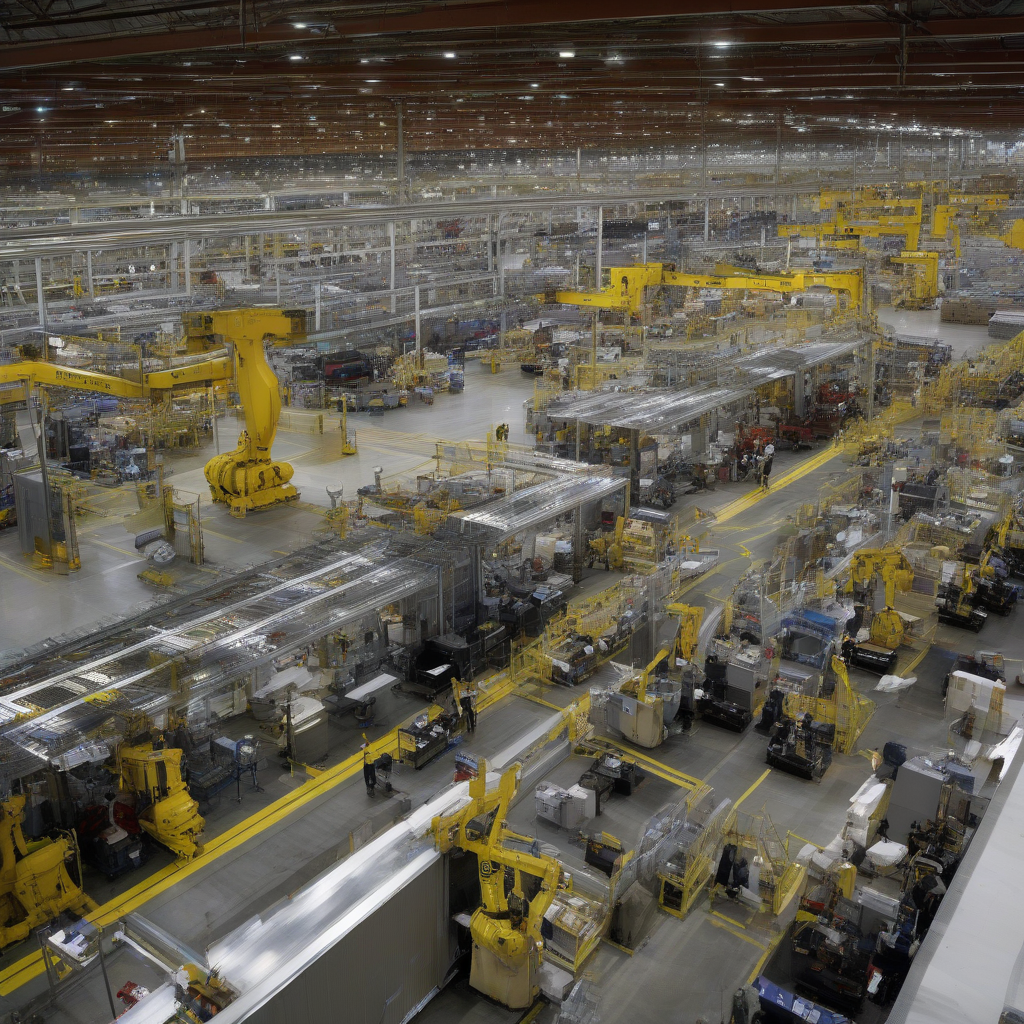
A sharp rise in manufacturing activity during July points to an upcoming surge in logistics and freight demand, according to FreightWaves. Newly released economic indicators suggest that manufacturers are depleting their current stockpiles and facing an immediate need to replenish inventories ahead of the traditional peak shipping season.
A SONAR update published on Tuesday, August 4, highlighted that the Purchasing Managers' Index (PMI) for July climbed to 55.6. This represents a 2.3% increase compared to June and marks the highest level recorded since May 2022. Concurrently, the Institute for Supply Management (ISM) manufacturing index registered at 58.9. This acceleration is driven by a reduction in customer inventories, which dropped to 40.7, representing a 1.6% decline from the previous month. Survey participants categorized these inventory levels as insufficient to meet demand.
Other indicators within the ISM report show that production rose by 6.3% month-over-month to reach 58.5 in July. Backlogs also experienced a 4.5% rise, and manufacturing employment increased by 3.1%. In terms of labor, 60% of ISM respondents reported active hiring, while the remaining 40% are actively managing their headcount. This occurred alongside broader U.S. economic growth, with the national Gross Domestic Product (GDP) expanding at a 2.8% rate.
| Metric | July Value | MoM Change / Notes |
|---|---|---|
| Purchasing Managers' Index (PMI) | 55.6 | Up 2.3% (Highest since May 2022) |
| ISM Manufacturing Index | 58.9 | High expansion indicator |
| Customer Inventories | 40.7 | Down 1.6% (Deemed too low) |
| ISM Production Index | 58.5 | Up 6.3% |
| ISM Backlogs | N/A | Up 4.5% |
| Manufacturing Employment | N/A | Up 3.1% |
| U.S. GDP Growth | 2.8% | Broader economic backdrop |
Why It Matters
The low inventory level of 40.7 means manufacturers are highly sensitive to supply chain bottlenecks. If peak season shipping faces any sudden disruption—such as weather events or labor disputes—shippers will have virtually no buffer stock. This will likely trigger a sharp spike in spot market freight rates as companies scramble to secure dry van and intermodal capacity, benefiting carriers that have maintained operational readiness despite recent regulatory pressures on supply.
Reader Discussion & Insights