
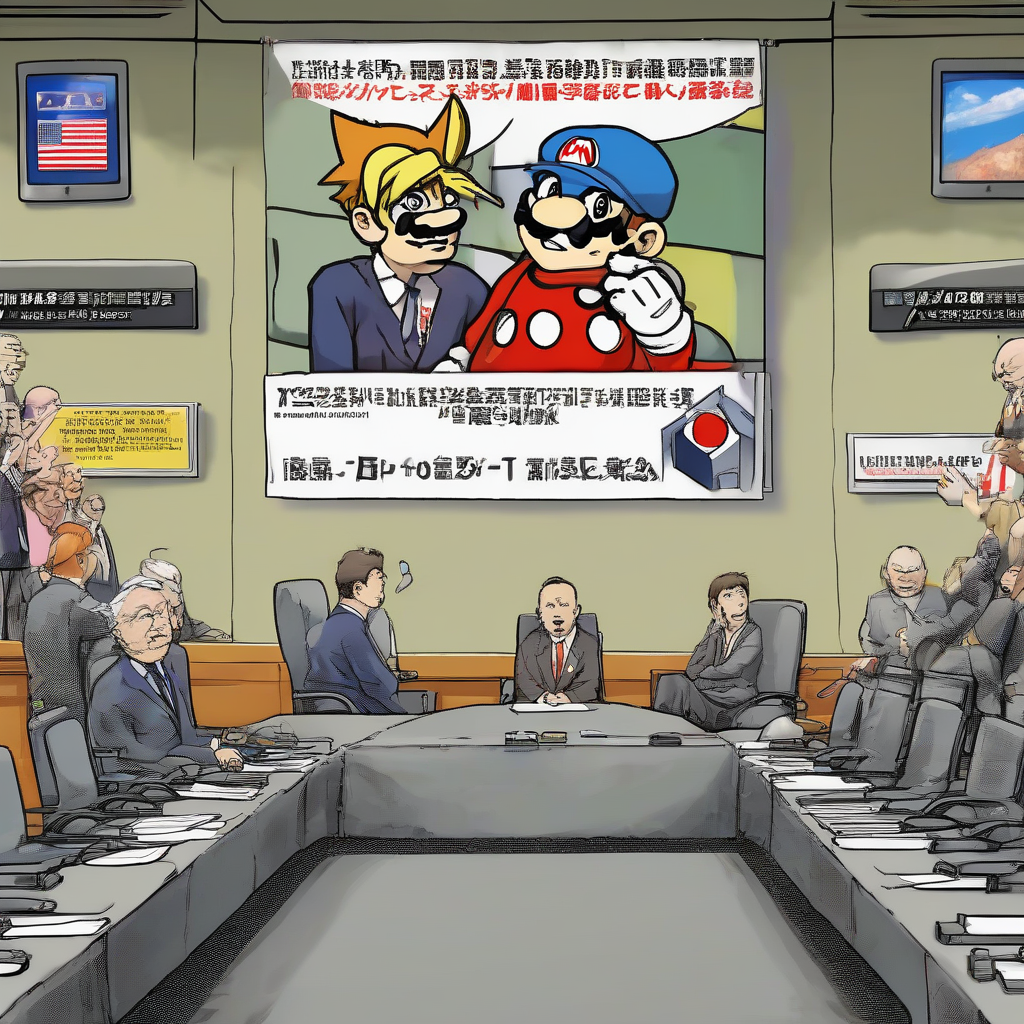

The government of Japan has issued a formal request to United States authorities, asking that American government agencies refrain from utilizing popular Japanese cultural icons such as Mario, Pokemon, and Naruto in their official social media posts and digital communications. According to Hacker News Front Page, this diplomatic move aims to protect the integrity of Japan's intellectual property and cultural assets from appearing in political or government-sponsored digital content.
Incident Overview
Recent monitoring of online platforms has revealed a trend of US agencies incorporating globally recognized Japanese characters in attempts to boost engagement or relay government messaging. The specific concerns raised by the Japanese side highlight that these character depictions, while iconic, are governed by strict copyright and image-management standards that the Japanese government expects to see upheld even in international diplomatic or administrative contexts.
| Metric | Value |
|---|---|
| Source Platform | Hacker News Front Page |
| Discussed Points | 26 |
| Comment Volume | 7 |
| Source Date | 2026-08-03 |
Official representatives from Japan have indicated that the unauthorized use of these characters—often referred to as 'memes' when repurposed for viral outreach—can misrepresent the intended commercial and cultural branding established by the rights holders. The request specifically calls for an immediate halt to the practice, emphasizing that Japanese intellectual property should not be leveraged as an informal tool for foreign government messaging.
Why It Matters
This dispute underscores the increasing friction between state-level communication tactics and the enforcement of international intellectual property rights in the age of viral social media. As agencies attempt to appear relatable, they often cross the line into using private, profit-driven cultural symbols. If this request forces a change in US digital strategy, it could lead to stricter federal guidelines regarding social media content creation, potentially limiting how government agencies interact with pop culture to avoid similar diplomatic challenges with other nations.
Reader Discussion & Insights