
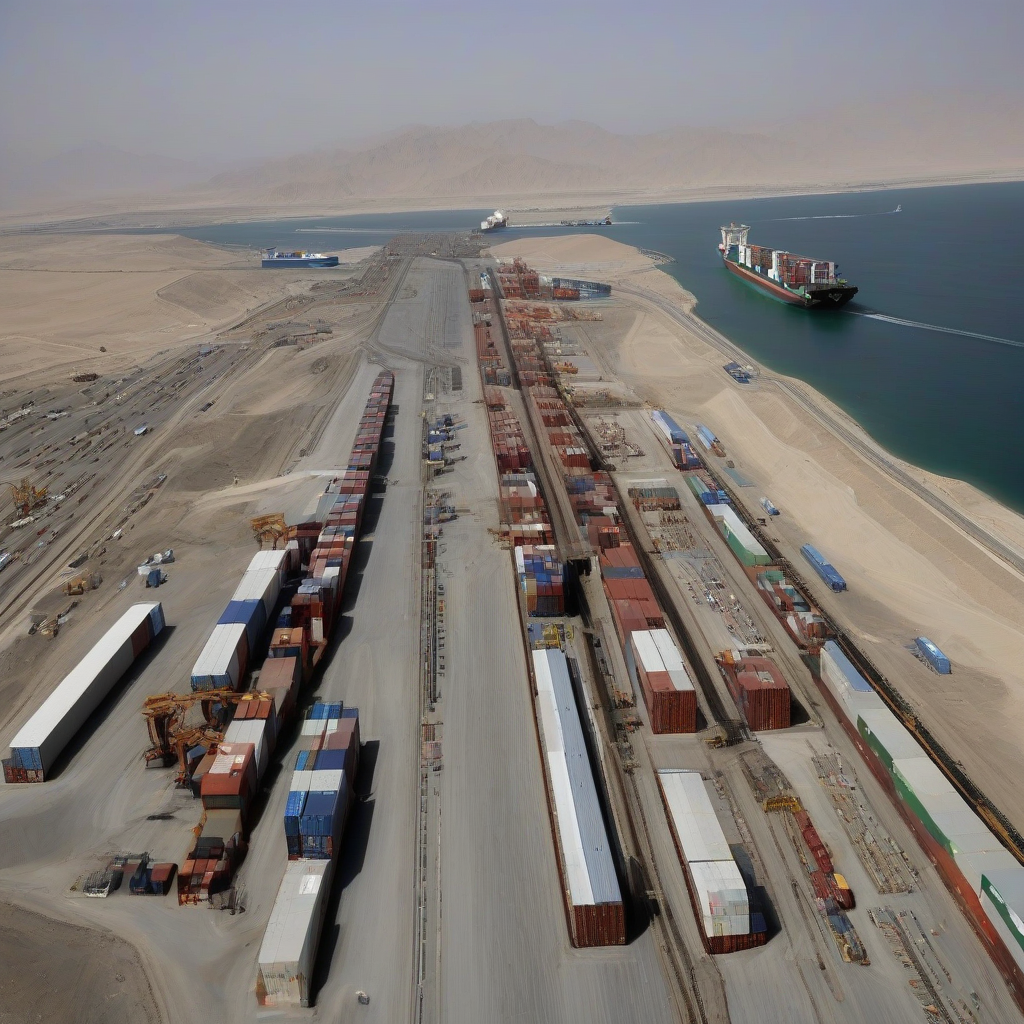
Iran and Oman are moving toward the final stages of an agreement to establish a temporary shipping route through the Strait of Hormuz, according to Shipping News. This strategic development aims to streamline transit corridors in one of the world's most critical maritime chokepoints, potentially offering a managed alternative for commercial vessels operating in the region.
While specific technical parameters remain under negotiation, the focus remains on enhancing regional maritime cooperation to address ongoing logistical challenges. The proposed corridor is intended to serve as a temporary measure to improve the flow of maritime traffic, although official documentation regarding the exact coordinates and duration of the route has yet to be released by either government.
Proposed Logistics Overview
| Feature | Status | Primary Stakeholders |
|---|---|---|
| Corridor Status | Under Negotiation | Iran, Oman |
| Route Type | Temporary | Shipping/Logistics |
| Strategic Focus | Strait of Hormuz | Regional Transit |
Historically, the Strait of Hormuz has served as a central artery for global energy and freight movement. The involvement of Oman, which frequently acts as a diplomatic mediator in regional maritime security dialogues, suggests an effort to de-escalate tensions and formalize maritime transit protocols that have previously lacked structured coordination.
Why It Matters
For the global shipping industry, the establishment of an authorized temporary route represents a significant move toward predictable logistics. By normalizing transit paths, stakeholders can reduce the uncertainty associated with unauthorized deviations or transit delays in the Persian Gulf. If successfully implemented, this corridor could serve as a model for regional maritime governance, potentially reducing insurance premiums and operational risks for carriers navigating these waters. This shift indicates a move toward formalizing transit agreements to protect supply chain continuity amid changing geopolitical dynamics in the Middle East.
Reader Discussion & Insights