
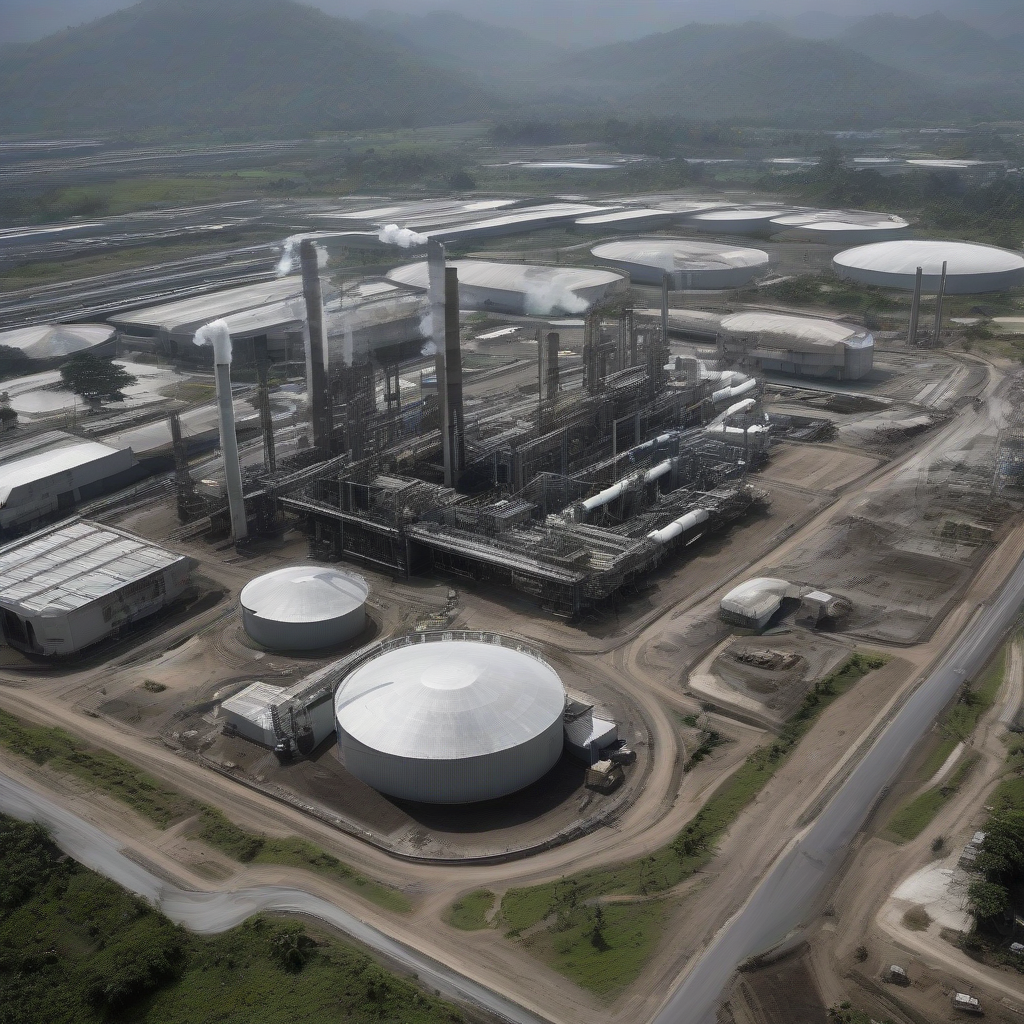
Indonesia remains a central focus for global mineral markets as the nation balances industrial policy with international demand. According to IEA data, the country's dominance in nickel production positions it as a vital entity in the shift toward electrification and renewable energy systems.
Indonesian Nickel Production Landscape
The IEA reports indicate that Indonesia has effectively leveraged its geological wealth to become the primary supplier for battery-grade nickel, a material essential for electric vehicle manufacturing. The government’s implementation of export bans on raw ore has forced downstream processing within its borders, compelling global manufacturers to invest in local refineries.
| Metric | Description |
|---|---|
| Core Resource | Nickel |
| Strategic Policy | Domestic Processing Requirements |
| Market Position | Global Production Lead |
Regulatory and Economic Context
Market stability relies heavily on how Indonesia manages its internal regulatory frameworks in response to international environmental and governance standards. The IEA underscores that while the country has secured a dominant market share, long-term stability requires reconciling national industrial objectives with the investment requirements of foreign partners. Financial markets remain sensitive to Indonesian policy shifts, as these updates dictate the cost of raw materials for battery producers worldwide.
Why It Matters
Indonesia’s nickel strategy represents a broader shift in global commodity politics, where resource-rich nations are moving from passive exporters to active industrial players. This shift complicates the global supply chain, forcing automakers and tech giants to accept higher operational risks in exchange for guaranteed mineral access. If successful, Indonesia’s model could establish a blueprint for other resource-abundant nations to climb the value chain. However, any misalignment with international ESG mandates risks creating price volatility that could stall the transition to large-scale battery storage and electric mobility.
Reader Discussion & Insights