
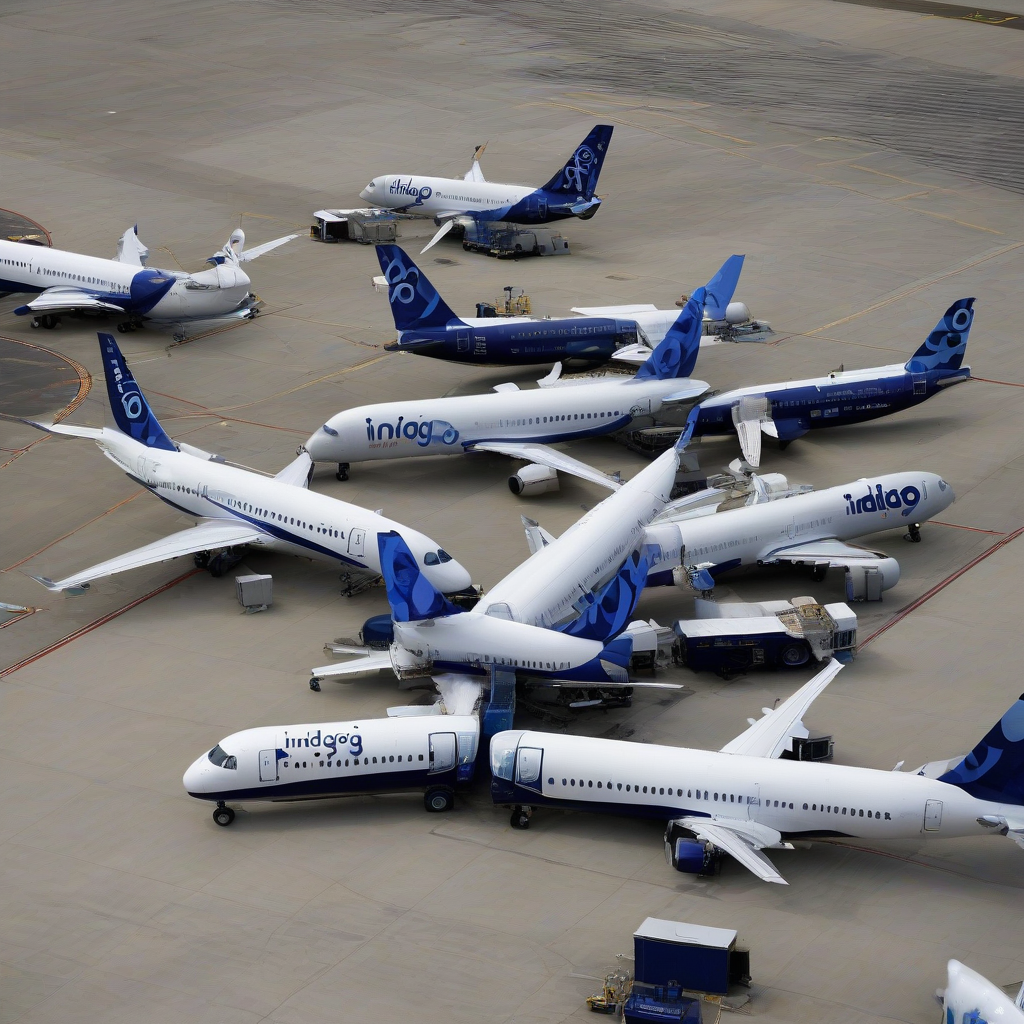

IndiGo, the dominant low-cost carrier in India, has reached the two-decade milestone in its operational history. According to Aviation Source News, the airline has evolved from a startup into one of the fastest-growing aviation entities globally, fundamentally altering the domestic travel market through a model centered on operational efficiency and budget accessibility.
The airline inaugurated its services on 4 August 2006, operating an initial flight from Delhi to Imphal via Guwahati. Since that inception, the carrier has scaled its infrastructure from one aircraft to a fleet exceeding 430 units. Current operations see the airline managing a network that links over 140 destinations, including 97 domestic points and 40 international locations.
Operational Metrics and Fleet Data
| Metric | Figure |
|---|---|
| Founding Date | 4 August 2006 |
| Current Fleet Size | Over 430 aircraft |
| Daily Flight Operations | Nearly 2,200 |
| Total Passengers Served | Almost 900 million |
| Domestic Destinations | 97 |
| International Points | Over 40 |
In terms of regional connectivity, IndiGo reports that 89 non-metro cities are now linked to major hubs. Furthermore, the carrier notes that approximately 90 percent of the Indian population resides within 100 kilometres of an airport serviced by its flights. The integration of ATR72 aircraft alongside participation in the government-backed UDAN scheme has been central to this regional expansion.
Rahul Bhatia, Managing Director of IndiGo, emphasized the company’s intent to continue investing in human capital and operational processes. Regarding the airline's future trajectory, Bhatia stated the commitment to building scale with discipline while contributing to the nation's economic and social development remains the priority.
To commemorate the 20-year anniversary, the company has released a commemorative booklet titled “20 Years of Connecting the Dots” and implemented refreshed content within its onboard magazine, Hello 6E.
Why It Matters
IndiGo's growth trajectory serves as a primary case study for the success of low-cost carriers in emerging markets. By capturing nearly 900 million passengers over two decades, the airline has not only democratized air travel in India but has also forced a competitive realignment across the South Asian aviation sector. Its ability to maintain low-cost structures while scaling to 2,200 daily flights demonstrates a successful integration of high-density fleet management with aggressive regional route development, setting a benchmark for airlines operating in similarly developing economic environments.
Reader Discussion & Insights