
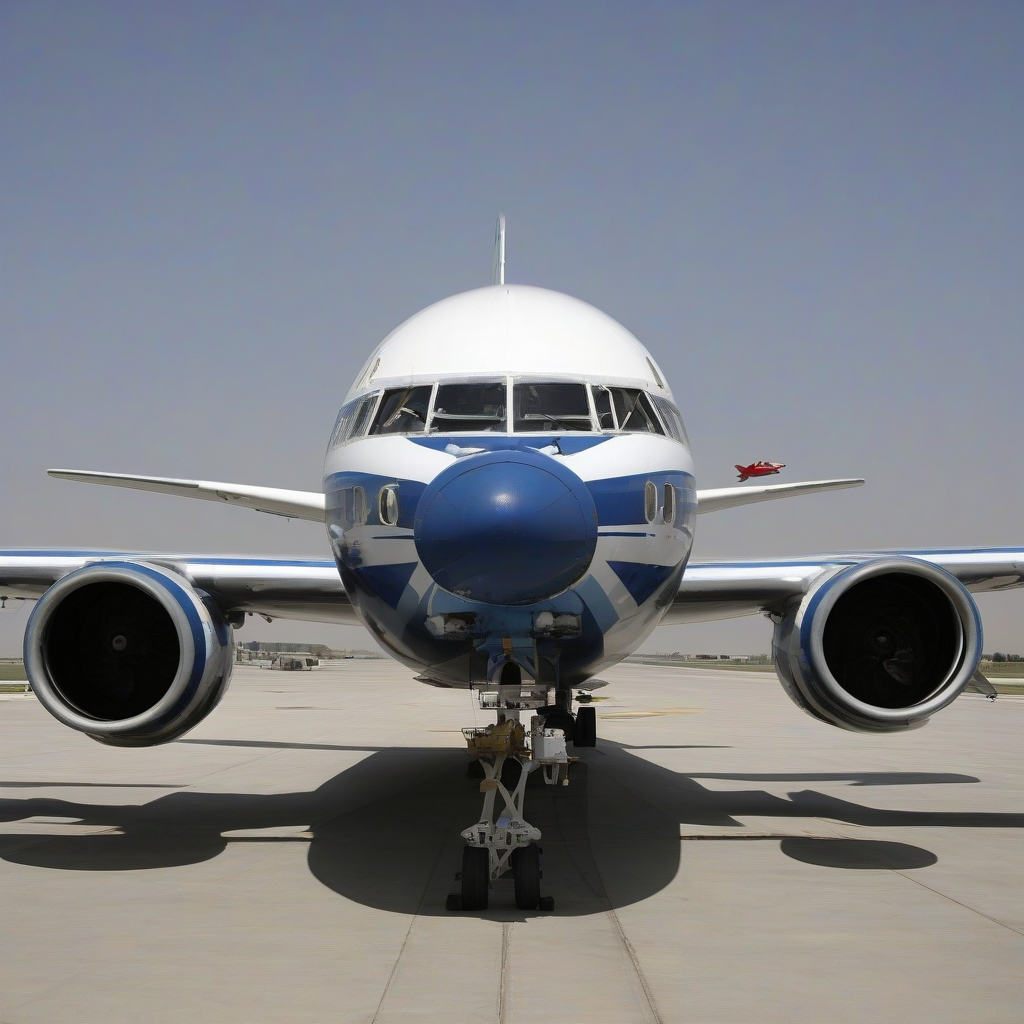

The Ilyushin Il-114-300 turboprop has arrived in Bukhara, Uzbekistan, to undergo a specialized series of high-temperature certification flights, according to FlightGlobal. This testing phase commences just two months after the aircraft secured its type certificate from the Russian aviation regulator, Rosaviatsia, in June.
State-owned technology conglomerate Rostec is overseeing the initiative, which includes a minimum of 30 flights designed to stress-test the aircraft’s performance in intense environmental conditions. Temperatures in the Bukhara region have reached peaks exceeding 40°C during early August, providing the required climate for the trials. The aircraft was flown to the region nonstop from Moscow Zhukovsky to initiate the assessment. Engineers intend to evaluate the powerplant, avionics suite, cabin interior, and various auxiliary systems to confirm operational integrity under sustained heat.
Certification and Production Data
| Item | Figure / Detail |
|---|---|
| Type Certification Date | June |
| Required Test Flights | > 30 |
| Peak Temperature Exposure | > 40°C |
| Funding for 3 Serial Aircraft | Rb2.6 billion ($32 million) |
| Total Aviation Development Funding | > Rb250 billion |
| Targeted Aircraft Delivery Count | > 70 |
| MC-21 Production Initial Goal | 18 |
Official government records reflect a broader push to stabilize the Russian aviation sector. On 30 July, Russian prime minister Mikhail Mishustin announced the allocation of Rb2.6 billion ($32 million) specifically for the completion of the first three serial Il-114-300 units. Furthermore, the government has earmarked over Rb250 billion for a comprehensive industry development program. These funds are designated to support advance payments for more than 70 aircraft across various new models, including the Yakovlev MC-21-310 and the SJ-100. Production efforts for an initial batch of 18 MC-21 aircraft have been secured to maintain assembly line continuity.
Why It Matters
Testing the Il-114-300 in extreme heat is a prerequisite for entry into diverse regional markets where high-density, hot-weather operations are the norm. By securing operational viability in climates reaching 40°C, the manufacturer gains the flexibility to market the turboprop to operators in Central Asia and other warmer latitudes. Furthermore, the explicit state funding underscores a strategic pivot toward domestic production sovereignty. As the Russian aviation sector seeks to maintain production output despite current geopolitical and economic constraints, the ability to successfully transition these platforms from testing to serialized, operational delivery remains the primary hurdle for long-term fleet modernization scheduled for 2028.
Reader Discussion & Insights