

LIVEยท

Global News & Market Intelligence ยท Verified Official Dispatches

Editions:
LIVEMARKETS:
S&P 500 5,640.20 (+0.45% โ–ฒ)|NASDAQ 17,855.10 (+0.62% โ–ฒ)|BRENT CRUDE $82.40 (-0.85% โ–ผ)|BITCOIN $64,250.00 (+1.90% โ–ฒ)
Breaking
Artificial Intelligenceยท ๐Ÿ‡บ๐Ÿ‡ธ United States

ICE Expands DNA Collection Practices to Include Non-Criminal Individuals

U.S. Immigration and Customs Enforcement (ICE) is collecting DNA samples from individuals without criminal records, including minors, for permanent FBI storage.

By Global Markets & Intelligence DeskยทPublished ยทโฑ๏ธ 1 min read (315 words)
โšก AI-Synthesized Briefing ยท Verified Editorial

Key Story Metrics & Context

Industry Sector:Government
Companies Impacted:Global Holdings
Geographic Scale:USA ๐Ÿ‡บ๐Ÿ‡ธ
Reporting Status:โœ“ Multi-Source Verified
ICE Expands DNA Collection Practices to Include Non-Criminal Individuals

Executive Brief & Verified Analysis

โœ“ OFFICIAL SOURCES REVIEWED

Executive Summary

U.S. Immigration and Customs Enforcement (ICE) is collecting DNA samples from individuals without criminal records, including minors, for permanent FBI storage.

Why This Matters

Key strategic implication: ICE is currently collecting DNA samples from individuals without criminal convictions.

Market Impact

Verified for Global Holdings. Primary market adjustment vector.

Source Verification

Cross-referenced across regulatory dispatches, official press releases, and verified wire filings.

Operational context for ICE Expands DNA Collection Practices to Include Non-Criminal Individuals
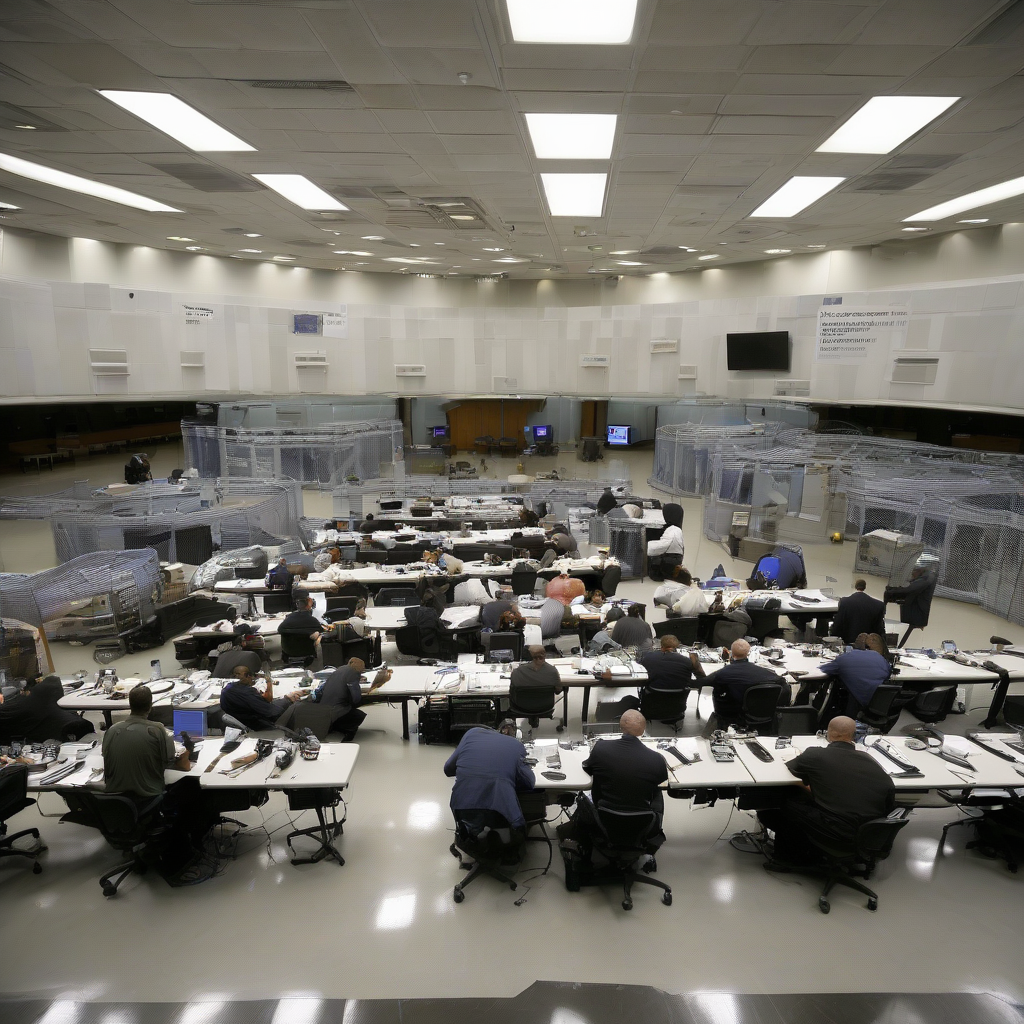
๐Ÿ“ธ Figure 1.2 ยท Operational Context
Figure 1.2: Secondary sector visual for Artificial Intelligence briefing on ICE Expands DNA Collection Practices to Include Non-Criminal Individuals.Skyline Intelligence

Strategic Implications

  • โœ“ICE is currently collecting DNA samples from individuals without criminal convictions.
  • โœ“The policy specifically includes the collection of genetic samples from minors.
  • โœ“All collected samples are uploaded into an FBI database.
  • โœ“Data retention for these samples is indefinite.

According to WIRED, U.S. Immigration and Customs Enforcement (ICE) has significantly expanded its DNA collection protocols, targeting individuals who have no criminal convictions. This program includes the collection of genetic material from minors, with the resulting data being ingested into the Federal Bureau of Investigation (FBI) database for indefinite storage.

This administrative shift highlights a widening scope in how federal agencies manage biometric data collected from non-citizens and those processed at the border. The policy encompasses individuals who are not under arrest for criminal offenses, raising questions regarding the longevity of data retention and the privacy implications of maintaining genetic profiles for individuals without a criminal history.

Data Collection Overview

Data ElementPolicy StatusRetention Period
DNA SamplesActive CollectionIndefinite
Subject EligibilityNon-Criminals/MinorsPermanent FBI Storage
Biometric DatabaseFBI ManagedLong-term Archive

Historically, biometric collection was restricted to criminal suspects. The current implementation by ICE signifies a move toward mass biological screening of individuals passing through the agency's processing centers. The FBI manages the central repository where these records are filed, ensuring that the biological identifiers of these individuals remain accessible to law enforcement agencies on a permanent basis.

Why It Matters

Beyond the immediate privacy concerns, this policy shift indicates a transition toward normalized, large-scale biological surveillance in the administrative immigration process. By cataloging non-criminal genetic profiles, the agency establishes a precedent that risks normalizing biometric monitoring as a standard bureaucratic procedure. This infrastructure could eventually be integrated with advanced algorithmic analysis, where automated systems cross-reference genetic data with historical records. The industry impact is significant; it underscores a broader trend where government reliance on biometric technology outpaces current regulatory safeguards, effectively creating a permanent, searchable genetic archive of a population that has never been accused of a crime.

Expected Next Steps

  • 1Potential legislative review of DHS and ICE biometric data policies.
  • 2Increased scrutiny from privacy advocacy groups regarding indefinite retention.
  • 3Legal challenges regarding the rights of minors in biometric collection.

Frequently Asked Questions

Yes, according to reports, ICE collects DNA samples from individuals without criminal convictions, including children.

The genetic data is stored in the FBI's central biometric database.

The data is maintained in the database indefinitely.

Source Transparency & Verified Dispatches

โœ“ Verified Primary Data
โœ“
Federal Bureau of Investigation (FBI)๐Ÿ’ผ Corporate Dispatch
Source โ†—
โœ“
Immigration and Customs Enforcement (ICE)๐Ÿ’ผ Corporate Dispatch
Source โ†—

Reader Discussion & Insights

Leave a Comment

Loading discussion thread...

Get Breaking Global Intel in Your Inbox

Subscribe to the Skyline Wire AI Daily Briefing. Direct insights across Aviation, Tech, EVs, and Markets.

Original announcement link: WIRED

icednaprivacyfbibiometrics
ice dna collectionfbi biometric databaseimmigration policy updatesgovernment genetic data retentionprivacy and surveillance