
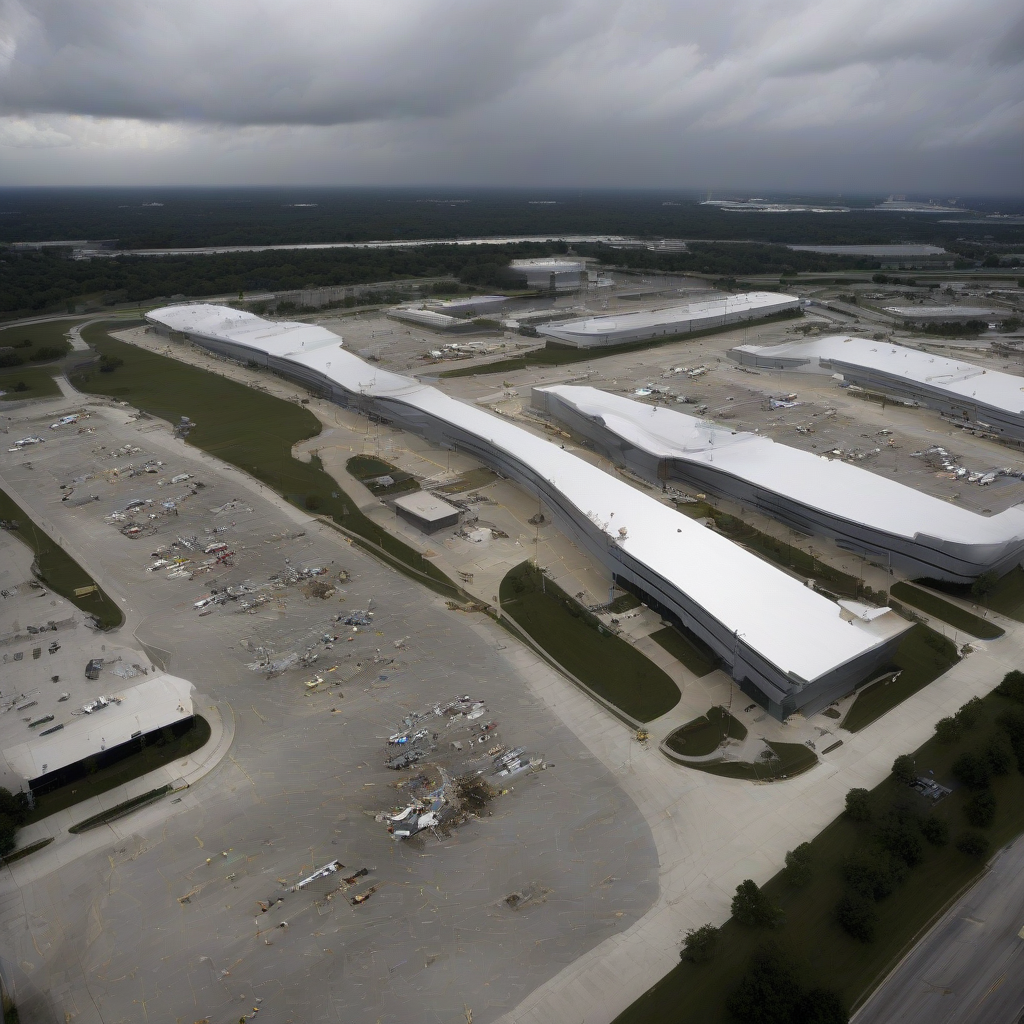
According to Hurricane Tracker, recent meteorological assessments indicate that the current season remains active, with additional storm development anticipated in the coming weeks. While atmospheric conditions fluctuate, the underlying environmental drivers suggest that the Atlantic basin remains primed for further tropical activity.
Current Tropical Activity Outlook
Meteorologists are tracking persistent signals that favor sustained hurricane development. Residents and logistical planners are encouraged to monitor updates from local and national weather services to ensure preparedness for shifts in storm trajectory or intensity. While specific landfall points remain variable, the broader outlook confirms that the period of storm formation has not yet concluded.
| Observation Factor | Status |
|---|---|
| Active Monitoring | Ongoing |
| Storm Potential | Increased |
| Seasonal Phase | Mid-to-Late |
Official Meteorological Context
National weather agencies, including the National Hurricane Center (NHC), provide the primary baseline for these projections. Industry experts utilize these satellite-derived models to forecast oceanic temperatures and wind shear, which are the primary determinants for cyclone formation. The data provided by Hurricane Tracker aligns with broader reports emphasizing the necessity for constant vigilance during this phase of the calendar year.
Why It Matters
Heightened tropical activity carries immediate implications for supply chain resilience and global logistics. Increased storm frequency often leads to port closures, air traffic rerouting, and maritime shipping delays, which can create significant ripple effects across the energy and insurance sectors. For businesses, relying on static seasonal forecasts is insufficient; companies must integrate real-time weather intelligence into their risk management workflows. Furthermore, the volatility of these weather patterns necessitates contingency planning for infrastructure stability, ensuring that energy distribution and transport networks remain operational despite high-impact environmental challenges.
Reader Discussion & Insights