
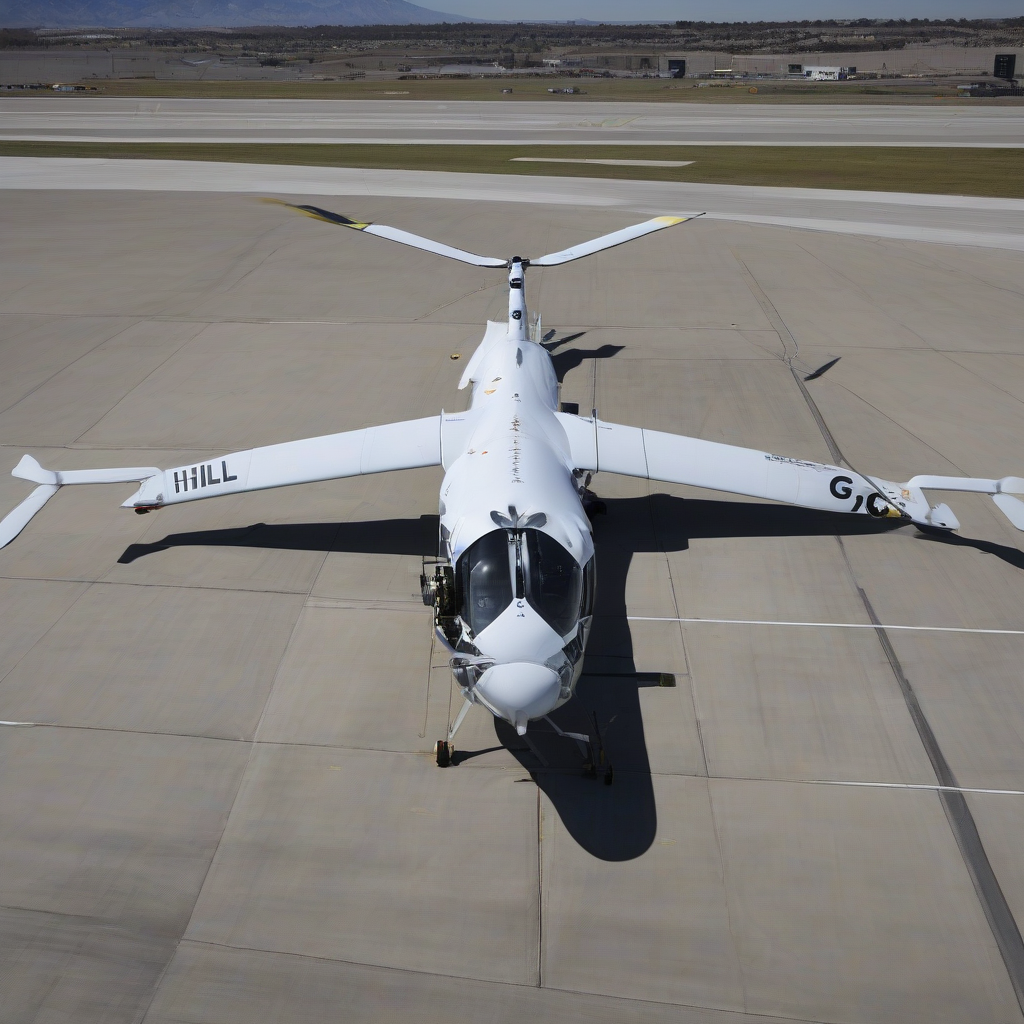

Hill Helicopters successfully reached self-sustaining operation of its GT50 prototype engine during a test conducted on July 20. According to AVweb, this development represents the first instance of a helicopter turbine engine being designed, manufactured, and developed in Britain since the 1960s. The engine is intended to power the company's upcoming five-seat HX50 helicopter model.
During the initial evaluation, the engineering team performed checks on ignition, cooling, lubrication, and instrumentation systems. Following these, the team executed a series of cold-crank sequences to identify potential mechanical issues, vibrations, or internal contact. The turbine achieved self-sustaining status and operated near 27,000 rpm, stabilized at approximately 24,000 rpm, and hit a peak of 33,000 rpm during the session.
Engine Performance and Specifications
| Metric | Value |
|---|---|
| Max Continuous Power | 400 hp |
| Takeoff Power | 440 hp |
| Emergency Power (30s) | 500 hp |
| Stable Run Speed | 24,000 rpm |
| Test Peak Speed | 33,000 rpm |
Initial test hurdles included an issue with lubrication pressure, where pumps delivered an excess of oil that scavenge pumps struggled to remove. Engineers recalibrated the systems and successfully completed a follow-up run. A subsequent borescope inspection confirmed no internal contact or rubbing occurred. The next phase of development involves pushing the engine core through its full operating range to refine nozzle guide vane settings and match the compressor and turbine performance.
Program Timeline
| Milestone | Projected Date |
|---|---|
| HX50 Ground Testing | February 2027 |
| HX50 First Flight | April 2027 |
Why It Matters
The successful run of the GT50 signifies a rare shift toward vertical integration in the modern light helicopter market, where most manufacturers rely on established powerplants from suppliers like Pratt & Whitney Canada or Safran. By bringing turbine manufacturing in-house, Hill is attempting to decouple its production schedule from global supply chain volatility in the small-turbine segment. If the company maintains its current testing pace, the HX50 could prove that boutique, clean-sheet engineering remains viable against consolidated aerospace conglomerates, provided they can clear the high regulatory hurdle of engine certification.
Reader Discussion & Insights