
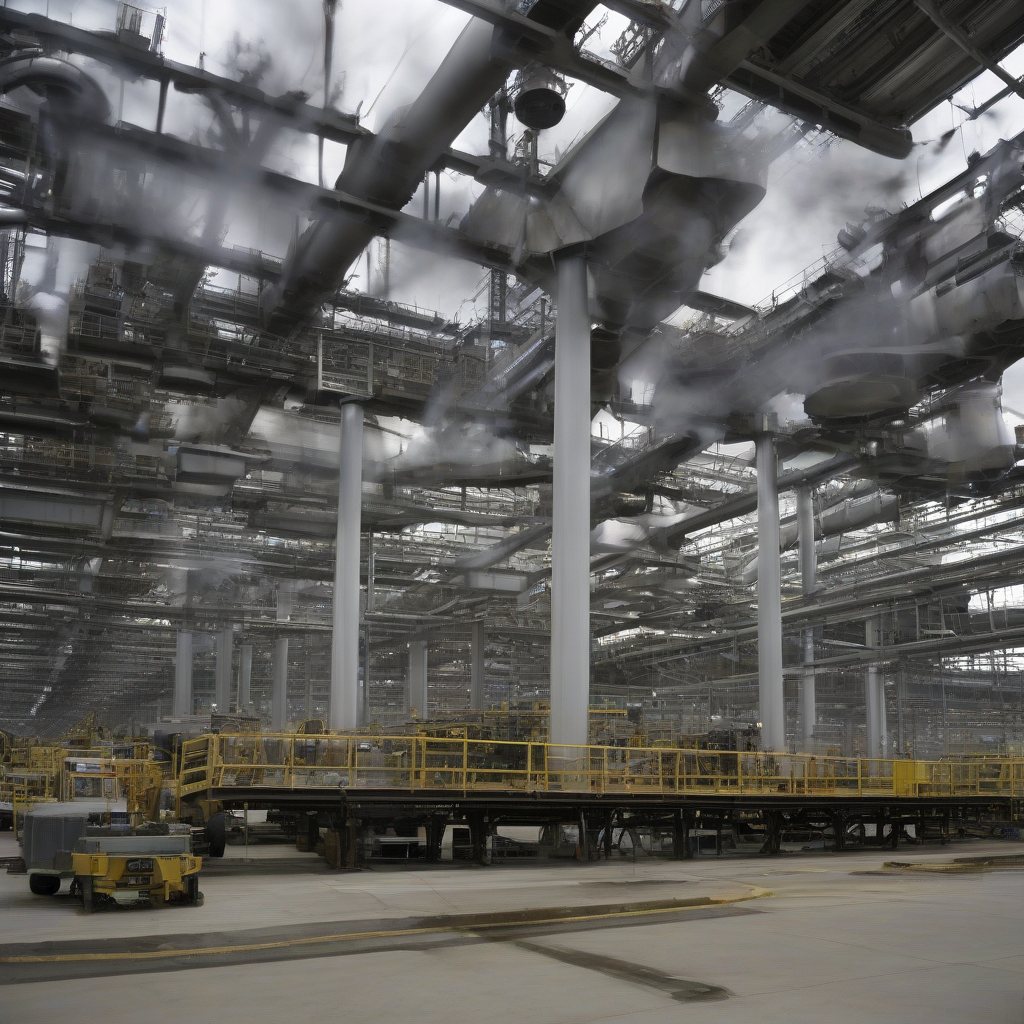
A coalition of environmental, labor, and civil rights groups has formally voiced opposition to the air pollution permit proposed for a new Hyundai steel facility in Louisiana. According to CleanTechnica, these organizations are pressing the Louisiana Department of Environmental Quality (LDEQ) to grant a minimum of 60 days for public review of the draft permit, arguing that the current timeframe is insufficient to analyze the potential health consequences for the surrounding community.
The coalition, known as Good Neighbors Louisiana, contends that the steel manufacturing plant, if allowed to proceed under the current regulatory framework, could increase exposure to harmful emissions. The groups cited concerns regarding the exacerbation of local health issues, specifically identifying elevated risks for cancer and asthma among residents and workers. These stakeholders argue that the LDEQ must prioritize transparent data sharing and allow for a more thorough investigation into the facility's projected air quality output.
Proposed Regulatory Action
| Item | Requirement / Status |
|---|---|
| Regulatory Body | Louisiana Department of Environmental Quality (LDEQ) |
| Action Requested | Minimum 60-day public comment period |
| Primary Concern | Potential health impacts (cancer/asthma) |
| Affected Entity | Hyundai steel mill project |
Regulatory oversight for industrial air permits falls under the purview of state environmental agencies working in conjunction with federal guidelines established by the Environmental Protection Agency (EPA). The pushback from Good Neighbors Louisiana reflects ongoing tensions regarding industrial expansion in regions already sensitive to air quality issues. The coalition emphasizes that the potential public health burden resulting from the mill's operation requires a more robust consultative process than what is currently scheduled.
Why It Matters
This dispute underscores a shift in how major industrial investments are scrutinized by local advocacy groups. As the steel industry attempts to modernize and expand, the tension between economic growth and community health protections continues to rise. For major conglomerates like Hyundai, navigating these regulatory challenges is now as vital to project success as the financial and engineering logistics. Future industrial permits will likely face similar demands for increased transparency and longer public comment windows as the intersection of environmental justice and manufacturing growth becomes more pronounced in state-level policy decisions.
Reader Discussion & Insights