
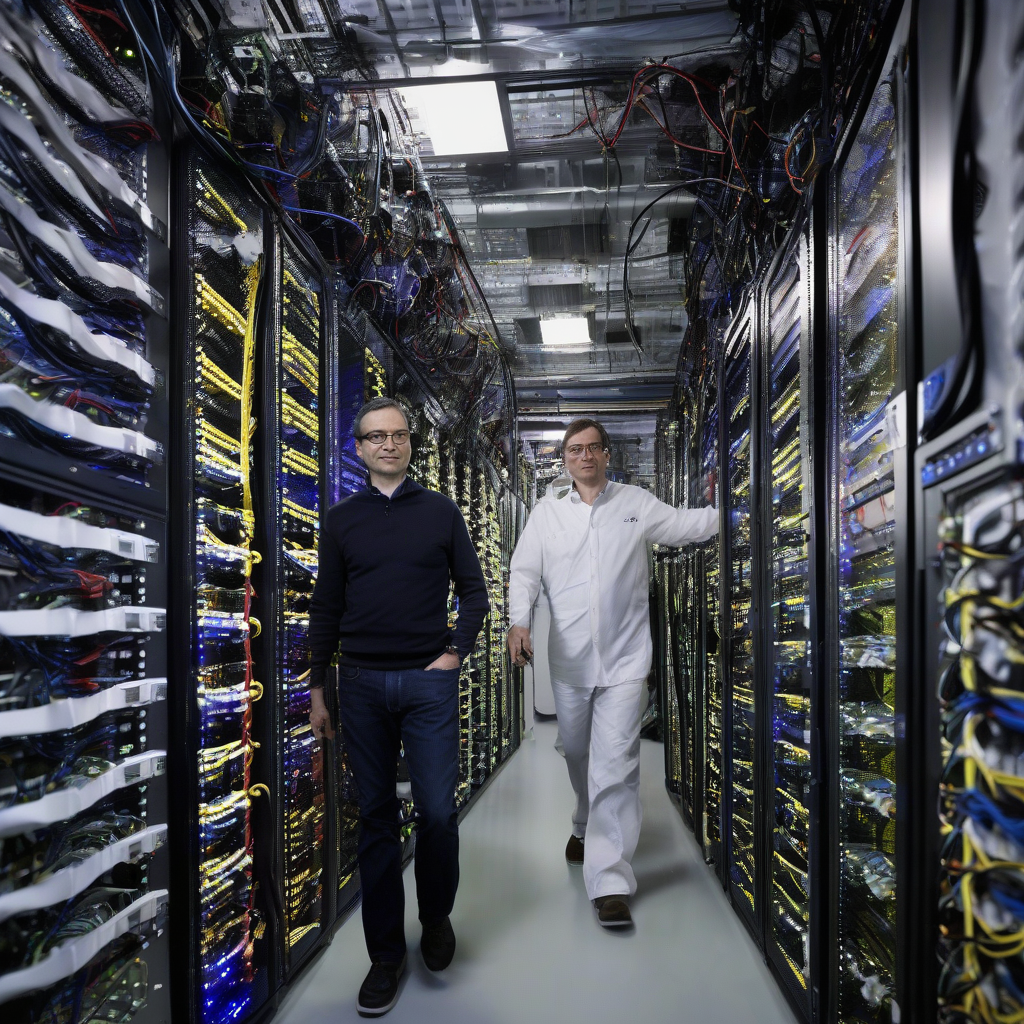
Google is undertaking a major organizational change within its artificial intelligence division following the departure of the chief executive officer of DeepMind. According to Google AI, this transition marks a pivotal shift in the company's strategy as it attempts to accelerate the deployment of advanced machine learning models and integrate its research capabilities more deeply into its core consumer and enterprise product lines.
While specific details regarding the successor remain limited, the departure signals an effort by the tech giant to consolidate its fragmented AI research efforts. The move follows months of internal debate regarding the pace of AI commercialization and the competitive pressure exerted by rivals in the generative AI space.
Organizational Impact
| Feature | Status | Impact Level |
|---|---|---|
| DeepMind Leadership | CEO Departure | High |
| AI Division Strategy | Restructuring | High |
| Product Integration | Accelerated | Medium |
Internal observers note that the company is seeking to streamline operations to better compete with firms such as OpenAI and Microsoft. The realignment is expected to prioritize efficiency and product-focused development over theoretical long-term research, a change that aligns with broader industry trends toward immediate AI revenue generation.
Why It Matters
This leadership transition is indicative of the cooling period in 'moonshot' AI research, replaced by an urgent mandate for fiscal responsibility and product delivery. By reshuffling the management hierarchy at DeepMind, Google is attempting to dismantle the traditional silos that have historically separated its elite research lab from its revenue-generating hardware and software teams. For investors and industry analysts, this indicates that Alphabet Inc. is prioritizing short-term competitive positioning in the AI stack over the slow-burn, high-cost research projects that defined the DeepMind brand for the past decade.
Reader Discussion & Insights