

LIVEยท

Global News & Market Intelligence ยท Verified Official Dispatches

Editions:
LIVEMARKETS:
S&P 500 5,640.20 (+0.45% โ–ฒ)|NASDAQ 17,855.10 (+0.62% โ–ฒ)|BRENT CRUDE $82.40 (-0.85% โ–ผ)|BITCOIN $64,250.00 (+1.90% โ–ฒ)
Breaking
Artificial Intelligenceยท ๐ŸŒ Global

Google AI Talent Departures and the Future of Pharmaceutical Research

A wave of AI talent leaving Google is prompting industry scrutiny regarding the long-term impact on automated drug discovery and research efficiency.

By Technology & AI Intelligence DeskยทPublished ยทโฑ๏ธ 2 min read (331 words)
โšก AI-Synthesized Briefing ยท Verified Editorial

Key Story Metrics & Context

Industry Sector:Artificial Intelligence, Biotechnology
Companies Impacted:Google
Geographic Scale:Global
Reporting Status:โœ“ Multi-Source Verified
Google AI Talent Departures and the Future of Pharmaceutical Research

Executive Brief & Verified Analysis

โœ“ OFFICIAL SOURCES REVIEWED

Executive Summary

A wave of AI talent leaving Google is prompting industry scrutiny regarding the long-term impact on automated drug discovery and research efficiency.

Why This Matters

Key strategic implication: Google is experiencing a notable transition of its artificial intelligence workforce.

Market Impact

Verified for Google. Primary market adjustment vector.

Source Verification

Cross-referenced across regulatory dispatches, official press releases, and verified wire filings.

Operational context for Google AI Talent Departures and the Future of Pharmaceutical Research
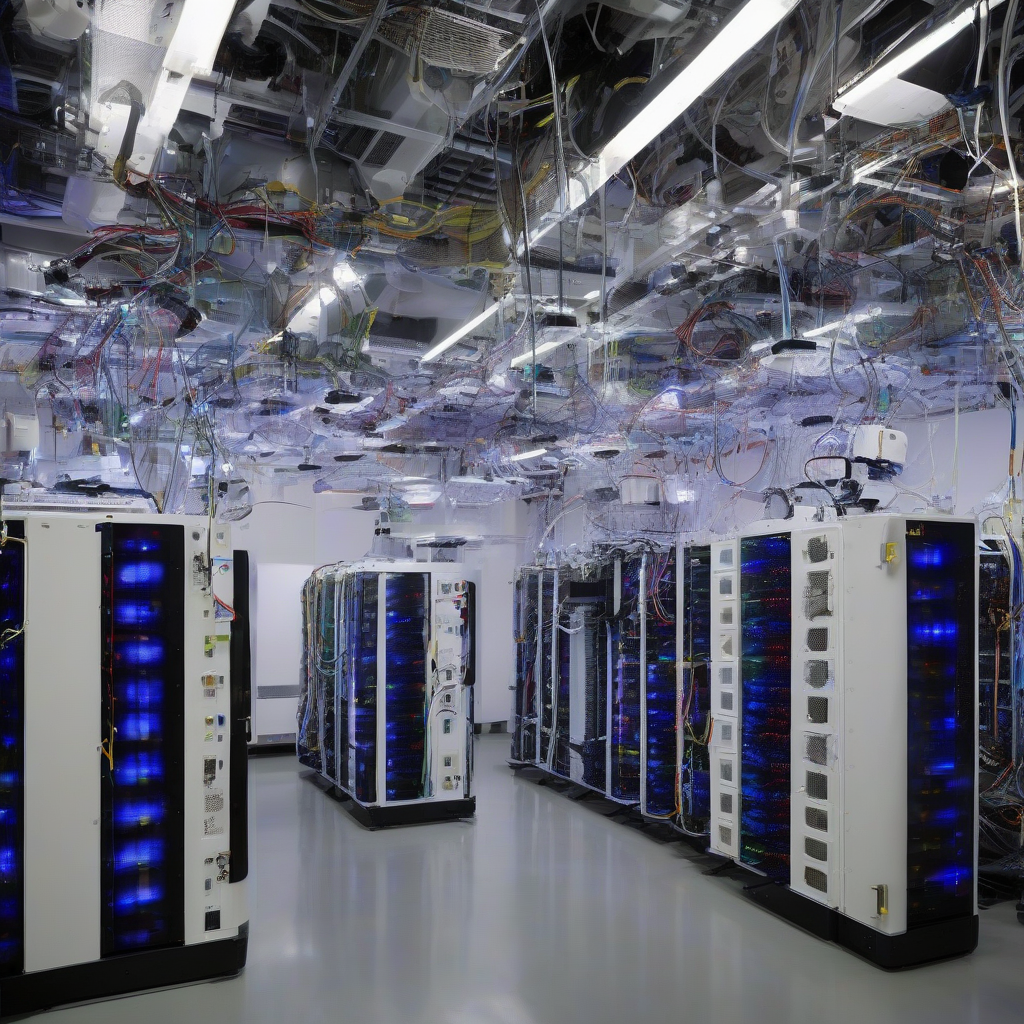
๐Ÿ“ธ Figure 1.2 ยท Operational Context
Figure 1.2: Secondary sector visual for Artificial Intelligence briefing on Google AI Talent Departures and the Future of Pharmaceutical Research.Skyline Intelligence

Strategic Implications

  • โœ“Google is experiencing a notable transition of its artificial intelligence workforce.
  • โœ“The departures may affect the stability of tools currently used for protein folding and drug discovery.
  • โœ“Pharmaceutical firms are increasingly looking to bring AI R&D capabilities in-house.
  • โœ“A shift in AI talent could lead to a more competitive, decentralized research environment.

A significant migration of specialized talent away from Googleโ€™s artificial intelligence divisions is causing industry experts to evaluate the future of computational drug discovery. According to Google AI, the shifts within its high-level technical workforce may influence how proprietary machine learning frameworks are applied to the identification of therapeutic targets and chemical synthesis.

Impact on Research Pipelines

While the specific turnover rates remain internal, the departure of key engineers and researchers traditionally focused on protein folding and ligand discovery represents a change in the development landscape for pharmaceutical giants that rely on big-tech partnerships. Organizations utilizing Google-backed platforms for molecular simulation must now weigh the consistency of these tools against the stability of the teams that maintain them.

Focus AreaPotential ImpactTechnology Status
Protein FoldingStability ConcernsActive
Ligand DiscoverySkill Gap RisksOngoing
Data ProcessingOperational ReviewStable

Contextual Analysis

Historically, Google has invested heavily in deep learning models intended to accelerate clinical trials and biological research. The departure of personnel suggests a redistribution of expertise across the broader biotech and artificial intelligence sectors. Industry analysts monitoring SEC filings and corporate disclosures note that the competitive pressure to secure specialized AI talent remains high, as traditional pharmaceutical firms aim to build internal capabilities to reduce reliance on external technology vendors.

Why It Matters

The exodus of specialized Google personnel indicates a decentralization of artificial intelligence innovation in drug discovery. By dispersing deep learning talent across a wider array of biotech startups and smaller pharmaceutical outfits, the industry may see a surge in niche, specialized research tools rather than centralized, general-purpose models. This shift could lower the barrier to entry for smaller biotech firms, provided they can successfully integrate the migrating expertise into their existing R&D frameworks. The outcome will likely determine whether future breakthroughs are driven by massive infrastructure or focused, agile development cycles.

Expected Next Steps

  • 1Monitoring hiring reports from major biotech competitors.
  • 2Evaluating updates to Google's public-facing research project status.
  • 3Tracking future disclosures regarding AI-driven drug development progress.

Frequently Asked Questions

The primary concern is the potential disruption to the continuity of advanced machine learning models used in pharmaceutical and biological research.

Yes, it may force firms relying on these technologies to evaluate their internal R&D strategies and the stability of their current partnerships.

The industry may move toward a more decentralized research model, with AI expertise spreading across a larger number of smaller biotech organizations.

Source Transparency & Verified Dispatches

โœ“ Verified Primary Data
โœ“
Google AI๐Ÿ’ผ Corporate Dispatch
Source โ†—

Reader Discussion & Insights

Leave a Comment

Loading discussion thread...

Get Breaking Global Intel in Your Inbox

Subscribe to the Skyline Wire AI Daily Briefing. Direct insights across Aviation, Tech, EVs, and Markets.

Original announcement link: Google AI

googleaidrug-discoverybiotechresearch
google ai talent exodusdrug discovery technologyartificial intelligence in pharmamachine learning drug researchgoogle research departures