
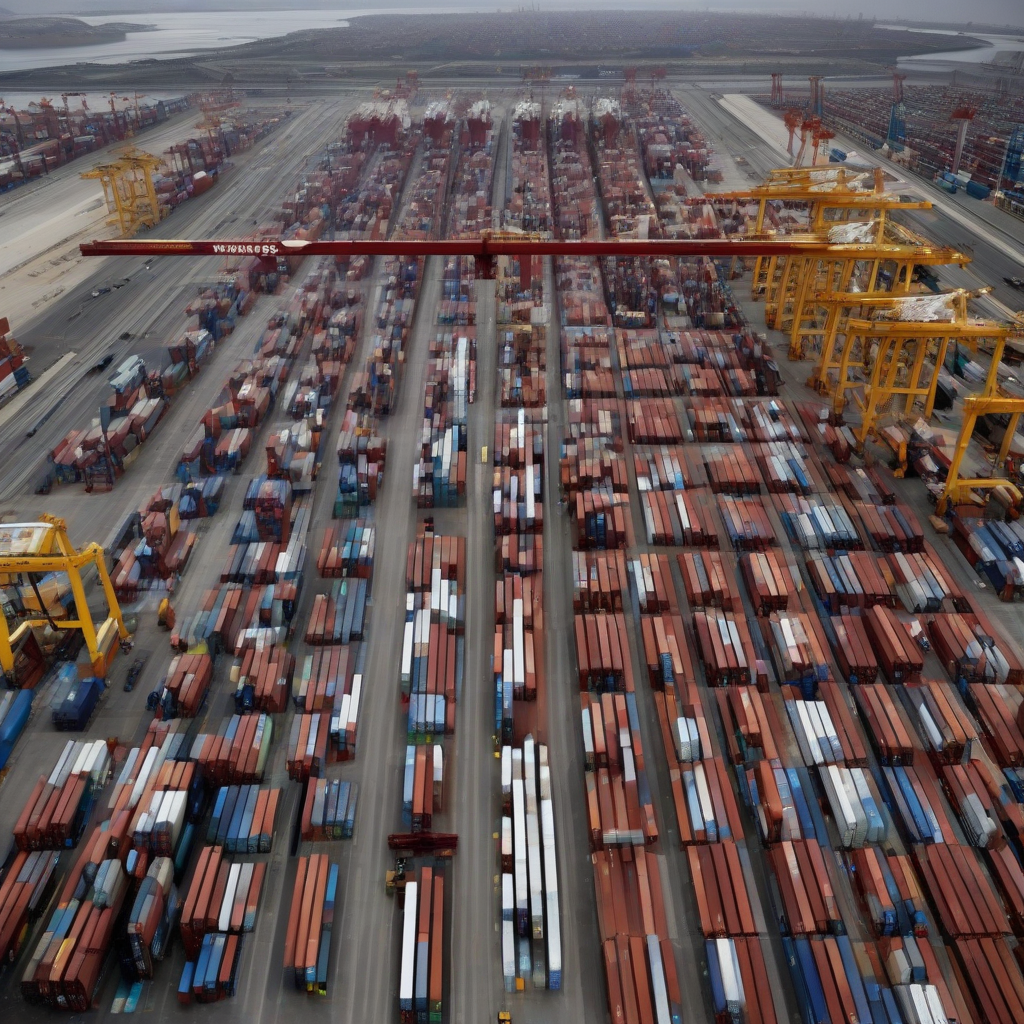
Global container shipping costs have experienced a sharp increase of 70%, a trend attributed to escalating instability within the Middle East, according to Shipping News. This significant rise in freight expenditure reflects the heightened operational risks and logistical challenges currently facing maritime transporters operating through key regional corridors.
The surge in pricing follows mounting pressure on international supply chains, as commercial vessels adjust operations to mitigate safety threats. The 70% figure represents a substantial financial recalibration for shippers who must now account for increased insurance premiums, potential vessel rerouting, and extended transit durations. These adjustments are central to the current pricing environment in the logistics sector.
Maritime Freight Cost Metrics
| Indicator | Metric |
|---|---|
| Cost Increase | 70% |
| Primary Driver | Mideast Tensions |
| Sector | Global Container Shipping |
Market analysts note that such price volatility is often tied to the reliance on chokepoints that are sensitive to geopolitical friction. While organizations like the International Maritime Organization (IMO) monitor safety protocols, private logistics firms are primarily responsible for absorbing these immediate cost fluctuations. The current environment forces freight operators to assess whether these expenses will be passed on to the end consumer or absorbed by retailers during the transit process.
Why It Matters
The 70% spike in container shipping costs signals a deeper vulnerability in global just-in-time supply chains. When transit costs escalate this rapidly, the inflationary pressure on imported goods becomes unavoidable. Beyond the immediate freight bill, businesses face inventory delays that disrupt production schedules and retail availability. The reliance on specific maritime lanes means that even localized unrest has a cascading effect on global inflation indices, potentially forcing central banks to maintain higher interest rates for longer periods to counteract the localized shocks to goods pricing.
Reader Discussion & Insights