
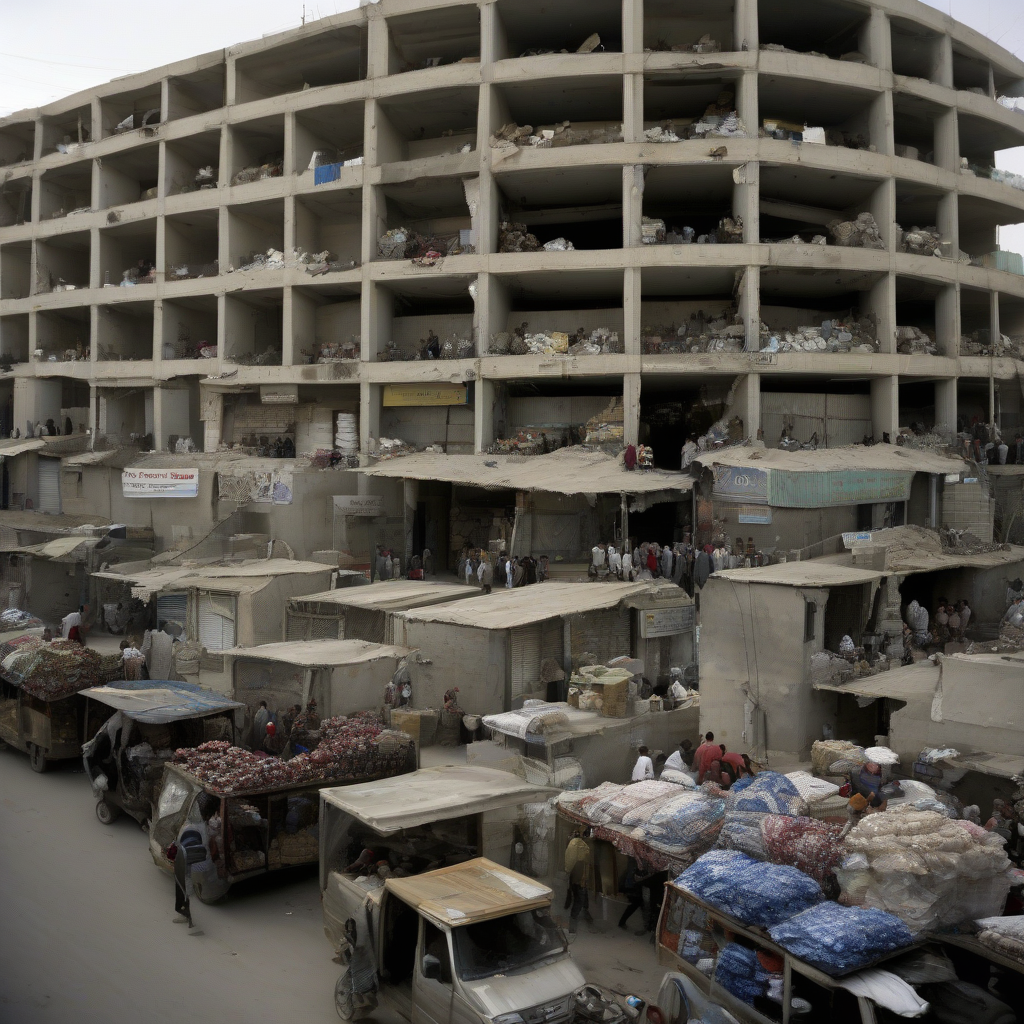
According to Al Jazeera, while a wider variety of products has begun reappearing in Gaza’s marketplaces, the local population continues to face acute challenges in securing food and basic necessities. The primary barrier to consumption is not supply availability, but rather the prohibitive cost of items exacerbated by extreme inflation and a total collapse in employment opportunities for displaced individuals.
Market Conditions and Economic Barriers
The current economic environment in Gaza remains characterized by a disconnect between inventory levels and consumer purchasing power. While logistics chains have facilitated the return of some commercial goods, the prevailing price points are detached from the reality of the average resident, many of whom have seen their traditional income streams entirely severed. Data indicates that for those living in displacement, the daily task of obtaining sustenance has become a struggle of affordability rather than mere item access.
| Economic Indicator | Status | Impact |
|---|---|---|
| Supply Chain | Improving | Limited impact on affordability |
| Purchasing Power | Critically Low | Prevents access to goods |
| Employment | Severely Limited | Direct cause of food insecurity |
Policy and Humanitarian Oversight
International monitoring groups and regional governing bodies, including those reporting to the European Commission, have consistently flagged the catastrophic state of the local economy. The reliance on external aid remains the only mechanism for a significant portion of the population to meet basic caloric requirements. Without systemic intervention to restore local purchasing power or stabilize price controls, the reintroduction of commercial goods does little to mitigate the unfolding humanitarian crisis.
Why It Matters
From a macroeconomic perspective, this situation highlights the failure of supply-side market recovery in war-torn territories when demand-side liquidity is non-existent. For global logistics and humanitarian aid providers, the Gaza scenario proves that commercial normalization is an ineffective metric for success in the absence of structural financial aid or wage restoration. Industry analysts should note that until local currency stability or robust cash-transfer programs are implemented, the presence of goods in a marketplace serves as a psychological distressor rather than an economic recovery indicator.
Reader Discussion & Insights