
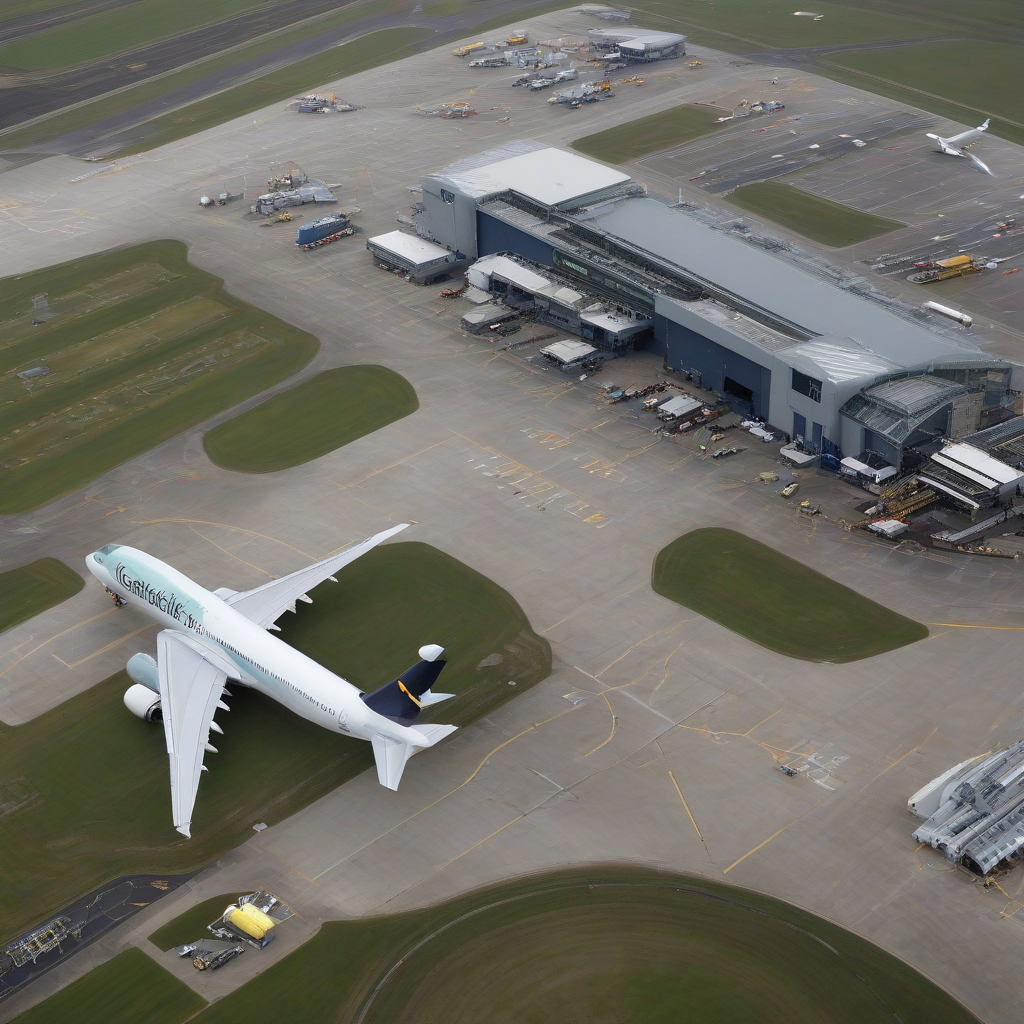
London Gatwick Airport has received the final legal go-ahead to proceed with its £2.2 billion northern runway expansion project. According to Aviation Source News, the Court of Appeal rejected the last remaining legal challenges to the development on 4 August 2026, finding no merit in the arguments presented by opposing groups. This ruling upholds the government’s previous decision to authorize the conversion of the airport’s existing standby runway for routine dual-runway operations.
Project Specifications and Capacity
The initiative involves relocating the northern runway 12 metres further north to ensure compliance with international safety standards for concurrent flight operations. Currently, this strip is limited to standby and maintenance usage. Once the project is finalized, it will support regular departures, while the primary southern runway continues to handle arrivals. The airport estimates this capacity enhancement will accommodate up to 100,000 additional flights annually and support approximately 13 million more passengers each year. Following a 2025 performance of 42.8 million passengers, the facility intends to scale toward an annual capacity of 80 million passengers.
| Metric | Projected Figure |
|---|---|
| Total Project Cost | £2.2 billion |
| Additional Annual Flights | 100,000 |
| Additional Annual Passengers | 13 million |
| Target Total Capacity | 80 million |
| Runway Shift Distance | 12 metres |
Legal and Administrative Context
The development consent was initially granted by the Secretary of State for Transport in September 2025. Following this approval, campaigners including Peter Barclay and Communities Against Gatwick Noise Emissions (CAGNE) sought judicial reviews based on concerns regarding noise levels, climate impact, and national aviation policy. After the High Court dismissed these challenges in June 2026, the Court of Appeal heard arguments over two days in late July 2026 before refusing permission to appeal.
Why It Matters
This decision marks a critical stabilization point for UK airport infrastructure planning. By finally exhausting the long-standing legal opposition, the ruling provides a clear precedent for how secondary runway development can navigate environmental and regulatory scrutiny. For the aviation industry, this signifies a pivot from stagnant expansion plans to tangible construction timelines. The reliance on private financing, rather than government subsidies, to deliver a £1 billion annual economic boost, serves as a test case for future airport infrastructure projects facing similar local advocacy resistance across Europe.
Reader Discussion & Insights