
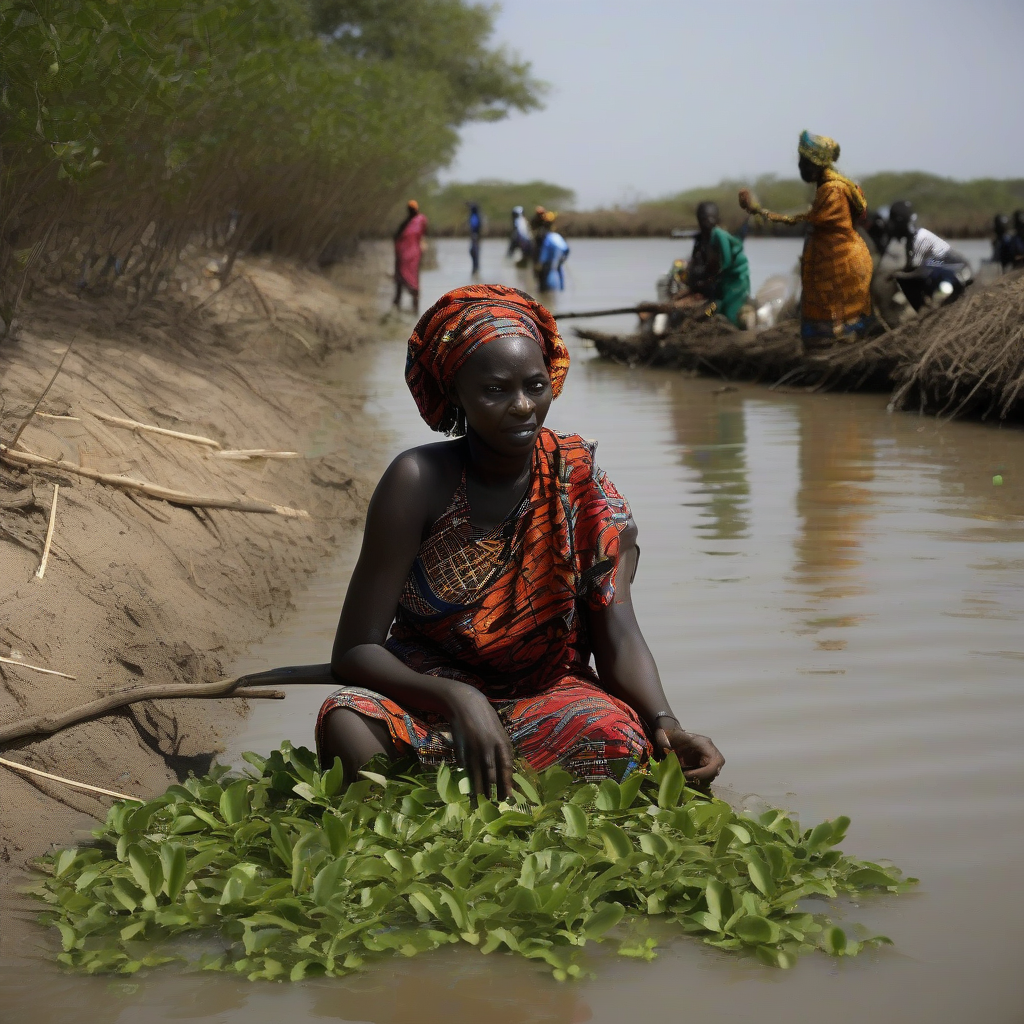
According to Al Jazeera, local women in the Gambia are actively involved in the restoration and preservation of mangrove forests. These initiatives are essential for safeguarding the capital city, Banjul, against the environmental threats of coastal erosion and recurring flooding events.
Ecological Defense and Economic Impact
The mangrove projects function as a dual-purpose endeavor. By systematically planting and nurturing these trees, the participants serve as the primary line of defense for the island capital’s geography. The physical structure of the mangrove roots acts as a buffer, reducing the impact of tides and stabilizing the soil, which prevents further loss of land. For the women involved, these efforts also translate into economic stability, as the restoration of these ecosystems provides a sustainable livelihood.
Reported Environmental Data
| Feature | Function | Impact Area |
|---|---|---|
| Mangrove Forests | Erosion Control | Banjul Coastline |
| Reforestation Efforts | Flood Mitigation | Island Capital |
| Local Workforce | Ecosystem Maintenance | Regional Environment |
Why It Matters
This grassroots intervention represents a shift in coastal management strategies within West Africa. While international infrastructure projects often rely on hard engineering solutions like sea walls, community-led biological restoration offers a cost-effective, adaptable alternative. If scaled, these methods provide a viable framework for climate adaptation strategies in low-lying urban areas. By integrating local labor into environmental security, Gambia establishes a decentralized model that could inform future European Commission-backed climate resilience initiatives across the continent, prioritizing long-term ecological health over temporary structural fixes.
Reader Discussion & Insights