
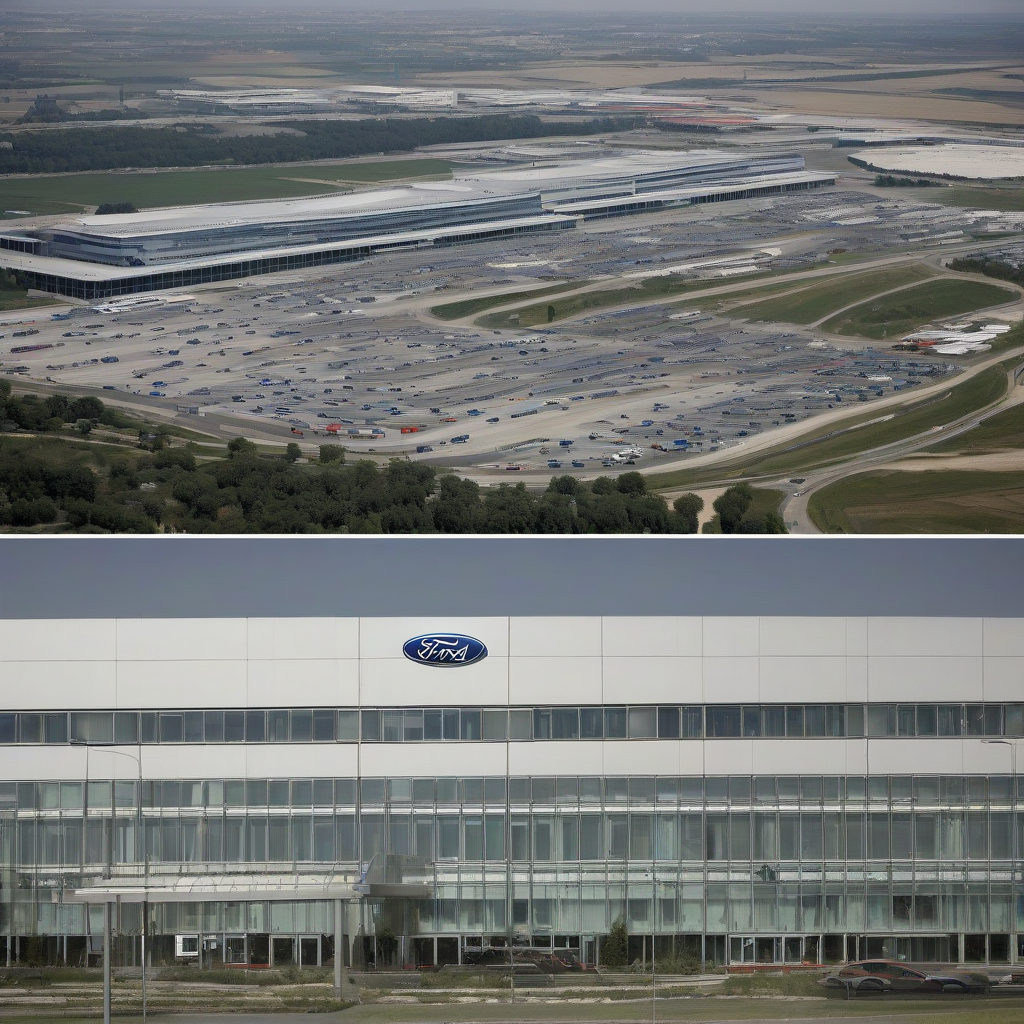
Ford Motor and Dacia have initiated temporary halts to production at their Romanian automotive manufacturing plants, citing the adverse effects of prolonged extreme heat conditions on facility operations. According to Ford Motor, the decision was made to prioritize workplace safety and manage the operational limitations imposed by rising temperatures.
Both manufacturers, which represent significant pillars of the Romanian automotive sector, have faced mounting pressure as heatwaves impact logistics, energy consumption, and worker health. The production suspensions serve as a reactive measure to ensure compliance with occupational safety standards during the climate-driven disruption. While the companies have not provided specific timelines for full operational restoration, the move highlights the vulnerability of assembly line environments to environmental stress.
Production Status Summary
| Company | Action Taken | Operational Impact |
|---|---|---|
| Ford Motor | Plant Halt | Production Suspension |
| Dacia | Plant Halt | Production Suspension |
Why It Matters
These closures underscore a shifting risk profile for European heavy industry. As climate volatility increases, automotive supply chains, which rely on "just-in-time" manufacturing, are becoming increasingly fragile. Excessive heat degrades the efficiency of cooling systems essential for both high-precision robotics and human operators. Manufacturers must now reconsider investment in climate-resilient infrastructure. Furthermore, this trend may lead to broader regional economic volatility if such disruptions become seasonal fixtures, forcing companies to reconsider geographic labor distribution and energy storage capabilities to maintain consistent output quotas.
Reader Discussion & Insights