
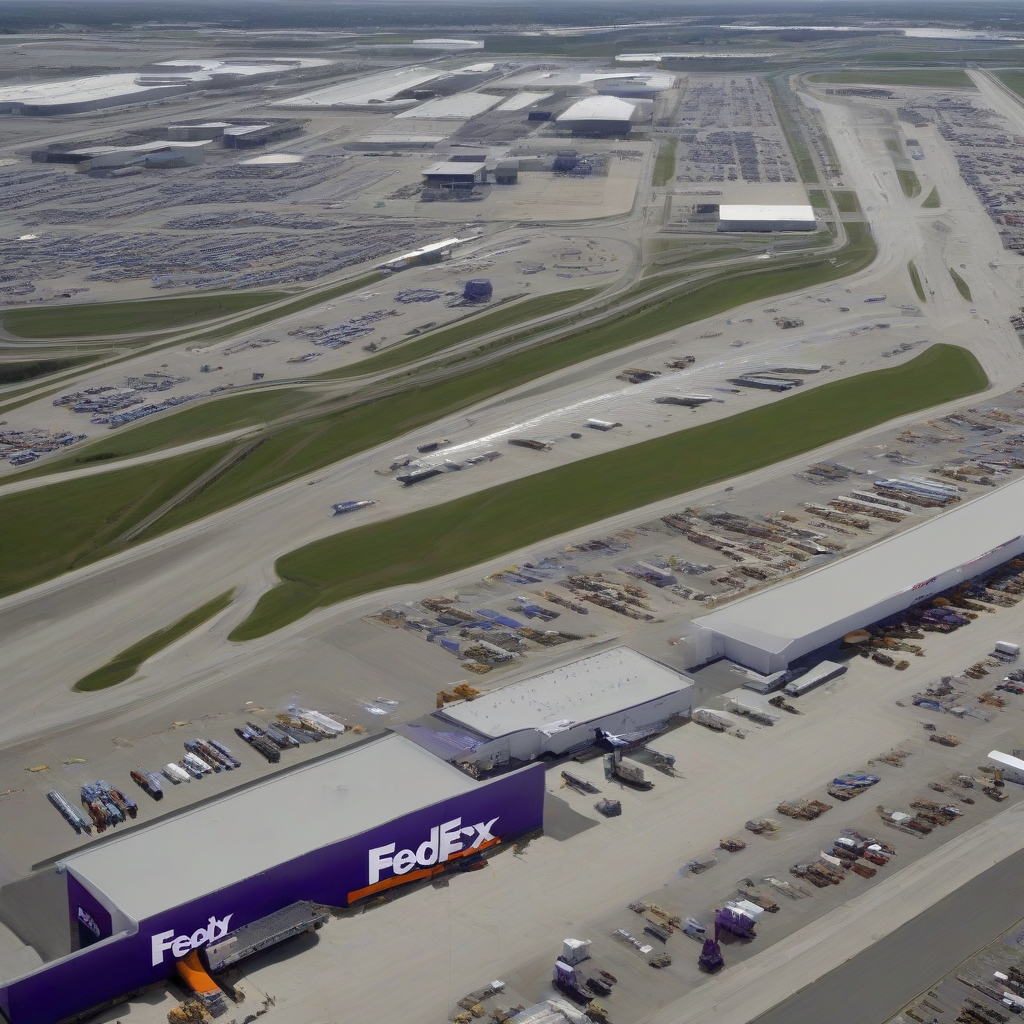
FedEx has officially initiated the regulatory process for a significant infrastructure project, filing for a permit to begin groundwork on a new facility valued at $400 million, according to FedEx Newsroom. This move marks the initial phase of development for a project intended to expand the company’s operational capacity.
The application for the permit represents a concrete step toward the construction of the large-scale logistics hub. While specific location details and timeline milestones beyond the permit filing remain limited, the capital expenditure of $400 million reflects a substantial commitment to scaling logistics capabilities. This development aligns with broader trends in the logistics sector, where major carriers are increasingly investing in automated sorting systems and high-density distribution centers to manage the evolving demands of global supply chains.
Project Financial Data
| Item | Figure |
|---|---|
| Total Estimated Investment | $400,000,000 |
| Project Status | Permit Filing Phase |
Official filings and municipal records will serve as the primary indicator for future progress regarding site clearing, architectural blueprints, and final construction approvals. As of the latest update, the project is navigating the standard permitting procedures required for high-value commercial construction in the industrial sector.
Why It Matters
This $400 million investment underscores a strategic shift toward modernizing regional distribution networks. By concentrating capital in specific high-throughput facilities, FedEx aims to minimize transit times and increase operational density. For the logistics sector, this signals that despite potential economic fluctuations, Tier-1 operators are prioritizing long-term physical infrastructure over short-term cost-cutting measures. This investment is likely to create localized economic activity during the construction phase and provide a permanent boost to regional distribution efficiency once the facility is fully commissioned, ultimately influencing local labor markets and transport infrastructure utilization.
Reader Discussion & Insights