
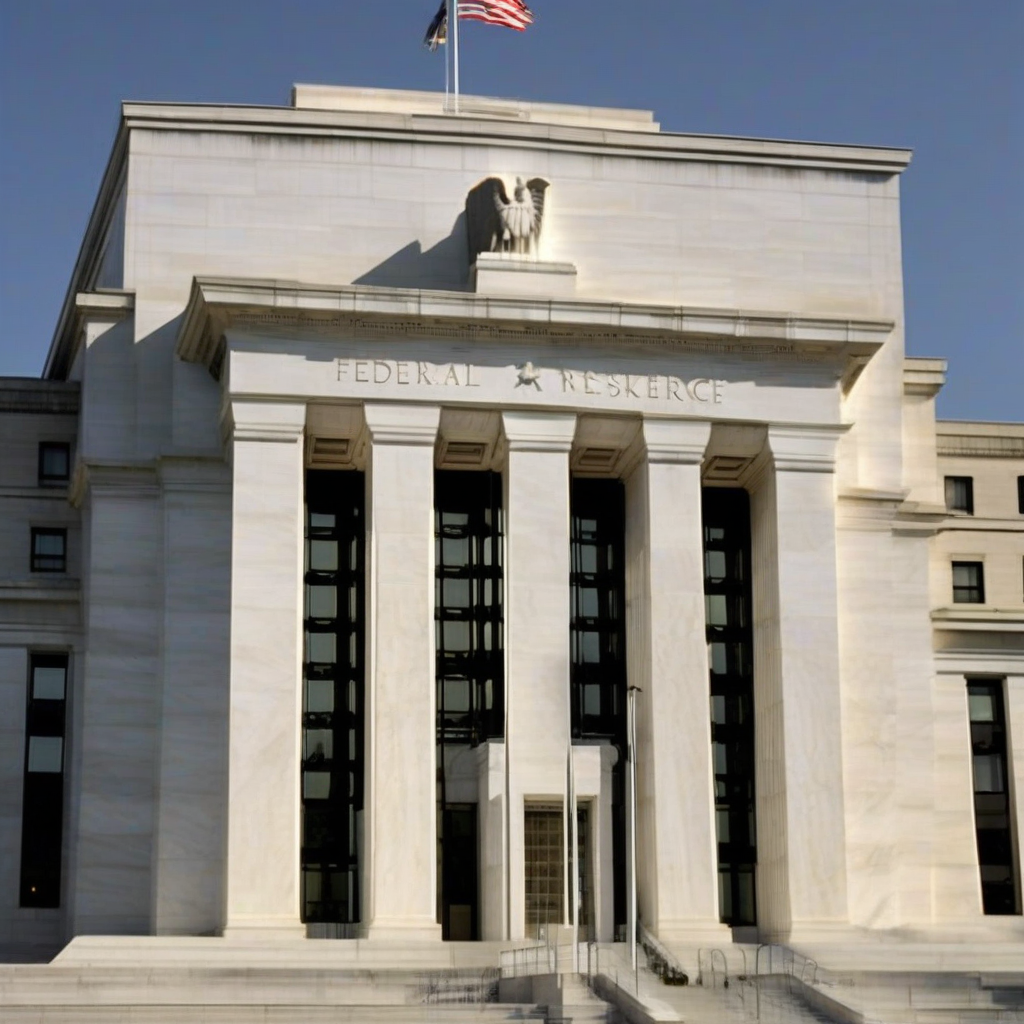
For the fifth consecutive meeting, the Federal Reserve has elected to hold interest rates steady. This decision, confirmed according to Federal Reserve documentation, reflects an ongoing commitment by monetary policymakers to ensure inflation returns to target levels before initiating any reduction in borrowing costs.
The current stance leaves the benchmark federal funds rate at its elevated level, as officials monitor economic indicators for signals that price stability is being restored. The consistency of this policy highlights a period of stabilization, during which the central bank is prioritizing the containment of inflationary trends over the immediate easing of credit conditions.
Policy Summary
| Indicator | Status |
|---|---|
| Federal Funds Rate | Held Steady |
| Meeting Count (Consecutive) | 5 |
| Primary Focus | Inflation Management |
According to Federal Reserve officials, the path forward remains data-dependent. While markets have scrutinized the timing of potential future adjustments, the committee has maintained a firm position to avoid premature policy pivots that could trigger a resurgence in consumer price growth.
Why It Matters
The Federal Reserve’s persistence in holding rates impacts corporate capital expenditure strategies across all sectors. High borrowing costs raise the barrier for project financing and debt servicing, forcing companies to prioritize operational efficiency and organic cash flow over expansionary debt. Investors should observe that prolonged high rates are re-indexing market expectations for risk-adjusted returns, shifting capital toward value-oriented stocks and away from highly leveraged growth ventures that rely on cheap liquidity to sustain balance sheets.
Reader Discussion & Insights