
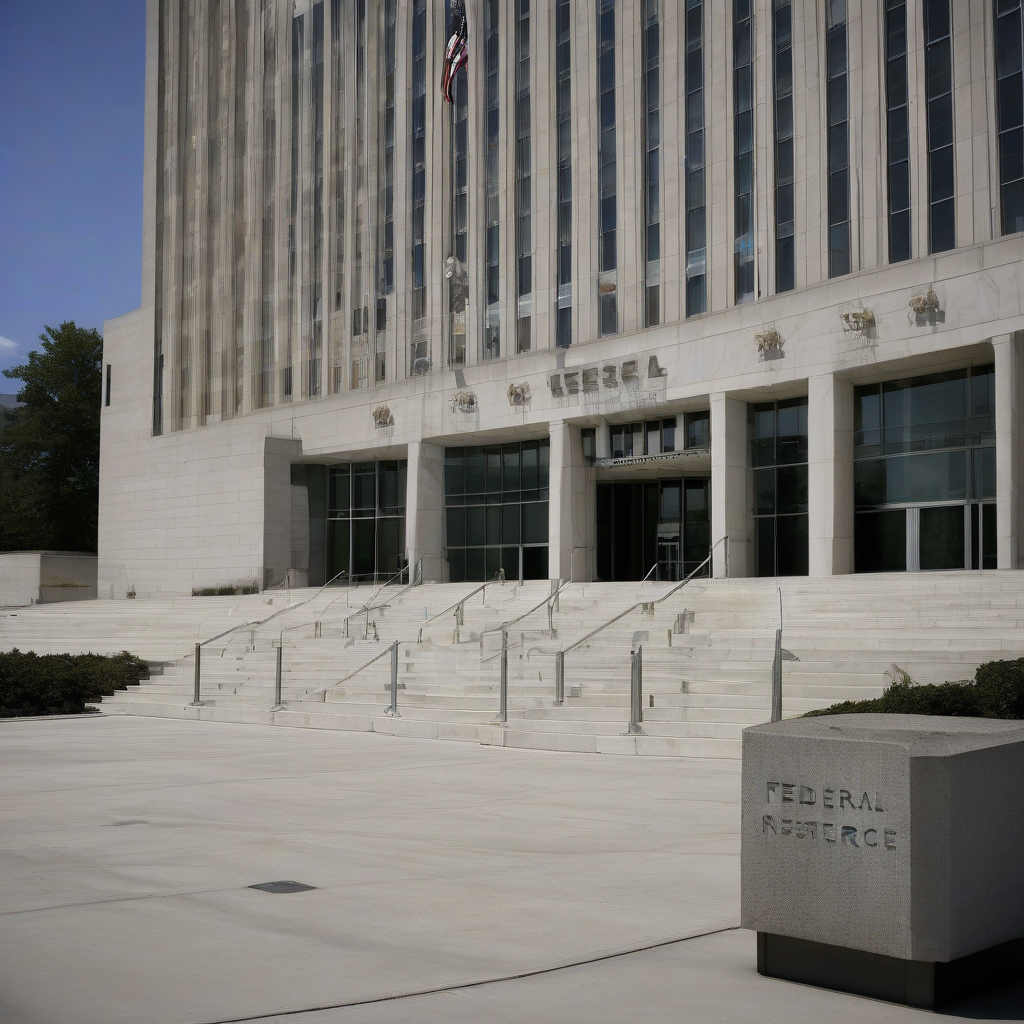
The Federal Reserve has opted to keep interest rates unchanged following its recent policy meeting, an action confirmed according to Interest Rate News. This decision underscores a period of deliberation within the central bank as officials weigh macroeconomic indicators against the ongoing mandate for price stability. Notably, the consensus was not unanimous, as three committee members expressed formal dissent regarding the chosen path.
Policy Decision Summary
| Metric | Status |
|---|---|
| Interest Rate Decision | Steady |
| Dissenting Officials | 3 |
The meeting, which had been characterized as a close call by market analysts, reflects the difficulty of calibrating monetary policy in the current environment. While the majority of the Federal Open Market Committee (FOMC) favored holding the current rate levels, the presence of three dissenting voices highlights significant disagreement over the timing and necessity of future adjustments. These internal splits often signal that policymakers are operating with high levels of uncertainty regarding inflation trends and labor market resilience.
Official communications from the Federal Reserve reiterate that future decisions will continue to be data-dependent. The institution maintains that it requires greater confidence in the downward trajectory of inflation before initiating a reduction in borrowing costs. Market participants closely monitor these announcements, as they serve as the primary indicator for credit conditions across the US economy.
Why It Matters
The internal friction observed within the Federal Reserve suggests a transition in policy posture that could influence banking sector liquidity and capital allocation. By maintaining rates despite dissent, the central bank is effectively signaling a 'higher for longer' approach that forces corporations to reassess debt-servicing capabilities. This creates a challenging environment for sectors reliant on leverage, such as real estate and infrastructure, which must now adapt to sustained capital costs. Investors should anticipate continued volatility as the market attempts to interpret these internal divisions as potential harbingers of a shifting policy direction in subsequent quarters.
Reader Discussion & Insights