
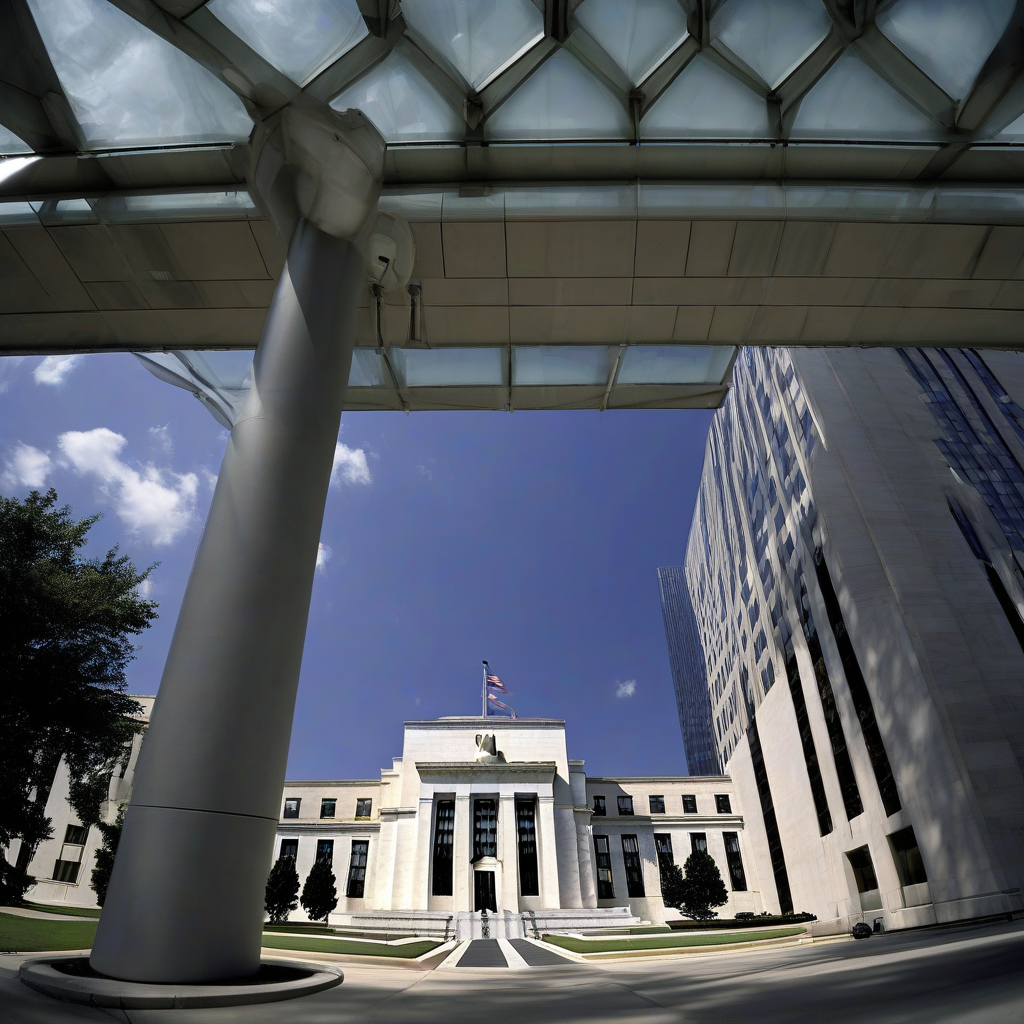
Market observers and financial analysts are focused on the upcoming Federal Reserve policy meeting, attempting to gauge the central bank's next move regarding interest rates. According to Interest Rate News, anticipation surrounding the Federal Open Market Committee (FOMC) session remains high as stakeholders monitor inflation data and labor market stability to predict future monetary policy shifts.
While the Federal Reserve maintains a data-dependent stance, market participants are looking for signals regarding whether the committee will hold rates steady or pursue further adjustments. The Federal Reserve, under the leadership of Chair Jerome Powell, continues to evaluate whether the current fiscal environment necessitates a restrictive policy or if conditions permit a transition toward stabilization.
Anticipated Policy Metrics
The following table summarizes key variables that influence current market expectations regarding the Federal Reserve's interest rate trajectory.
| Indicator | Primary Focus | Regulatory Source |
|---|---|---|
| Fed Funds Rate | Policy Baseline | Federal Reserve |
| Consumer Price Index | Inflation Trends | Bureau of Labor Statistics |
| Employment Data | Labor Market Health | Bureau of Labor Statistics |
Official filings and periodic statements from the Federal Reserve confirm that decisions are strictly contingent upon the trajectory of inflation returning to the target 2% range. Any change in the interest rate environment carries significant implications for mortgage lenders, commercial loan providers, and the broader credit market.
Why It Matters
The Federal Reserve's interest rate decisions serve as the primary engine for capital allocation across the global economy. By adjusting the cost of borrowing, the central bank influences corporate expansion, household consumption, and systemic financial liquidity. For institutional investors, the primary concern is not merely the immediate rate decision, but the guidance provided regarding the 'higher for longer' narrative. Shifts in these policy rates dictate how firms value long-term assets and manage debt servicing costs, creating a ripple effect that touches every sector from real estate development to venture capital deployment.
Reader Discussion & Insights