
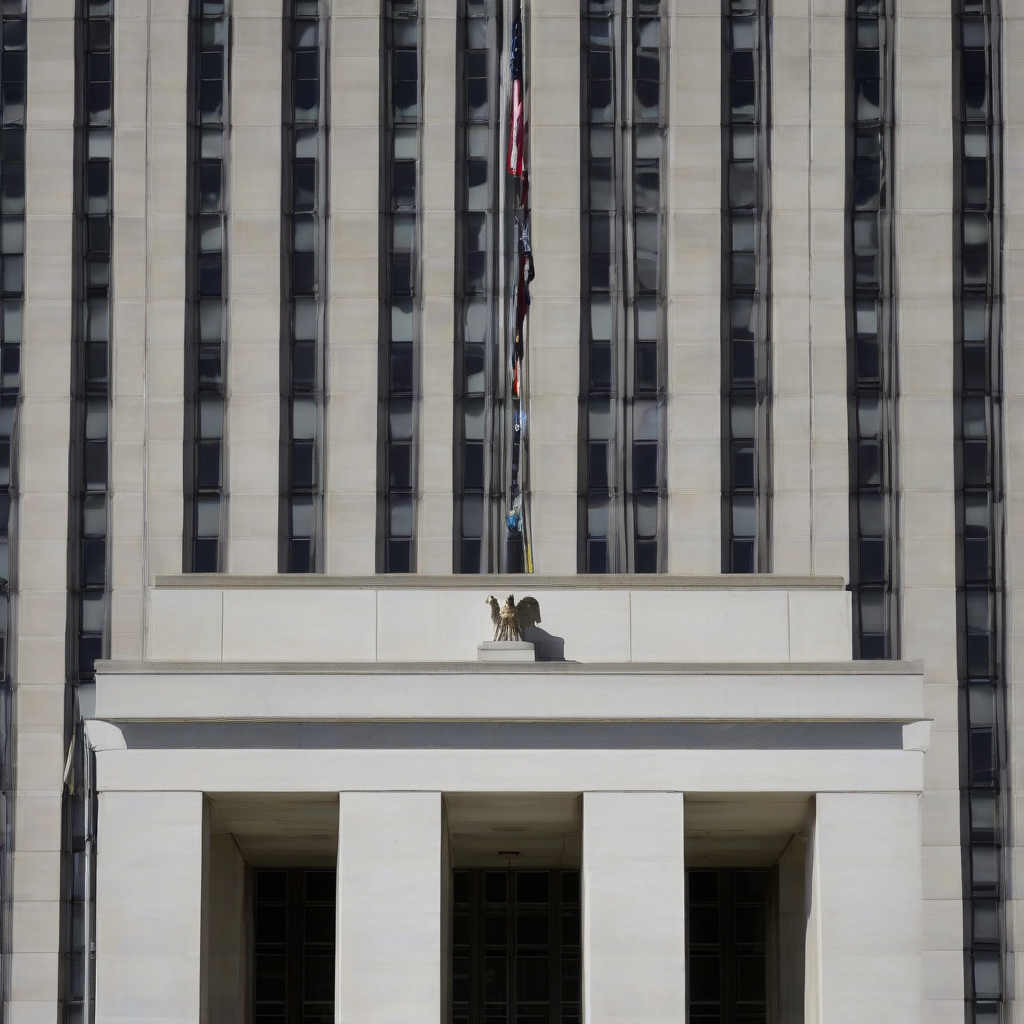
The Federal Reserve has officially elected to keep interest rates steady, according to Interest Rate News. Despite mounting pressure from several members of the policy-setting committee who favored an immediate rate hike, the central bank chose to maintain the status quo during its latest session.
While the primary decision remained in favor of stability, the internal divide was notable. Three specific participants in the deliberations signaled their preference for a higher interest rate, highlighting a divergence in outlook regarding the current monetary policy trajectory and inflationary pressures. This decision keeps existing rates in place as the Federal Reserve monitors economic data points to determine future adjustments.
Institutional data from the Federal Reserve serves as the foundational authority for this policy determination. The committee continues to evaluate the balance between cooling price growth and maintaining employment levels. These actions are closely scrutinized by financial markets, as the Federal Reserve’s decisions directly influence lending terms for consumers and businesses alike.
| Metric | Status |
|---|---|
| Interest Rate Adjustment | No Change |
| Dissenting Votes for Increase | 3 |
Why It Matters
The maintenance of interest rates despite internal dissent suggests that while the Federal Reserve is cautious regarding inflation, there is no consensus on aggressive tightening at this juncture. This standoff creates a period of wait-and-see for institutional investors who rely on clear guidance for capital allocation. Markets often interpret dissent as a precursor to future policy pivots, forcing businesses to prepare for multiple potential scenarios in their credit forecasting. By resisting an immediate hike, the central bank is implicitly prioritizing the stabilization of current market volatility over immediate contractionary measures.
Reader Discussion & Insights