
LIVEยท

Global News & Market Intelligence ยท Verified Official Dispatches

Editions:
LIVEMARKETS:
S&P 500 5,640.20 (+0.45% โ–ฒ)|NASDAQ 17,855.10 (+0.62% โ–ฒ)|BRENT CRUDE $82.40 (-0.85% โ–ผ)|BITCOIN $64,250.00 (+1.90% โ–ฒ)
Breaking
Regulationsยท ๐ŸŒ Global

FAA Revises eVTOL Certification Policy for Powered-Lift Aircraft

The FAA has adjusted its safety framework for powered-lift aircraft, pivoting toward traditional airplane and helicopter certification standards instead of stricter rules.

By Aerospace & Aviation DeskยทPublished ยทโฑ๏ธ 1 min read (305 words)
โšก AI-Synthesized Briefing ยท Verified Editorial

Key Story Metrics & Context

Industry Sector:Commercial Aviation, Aviation Manufacturing
Companies Impacted:Joby Aviation, Archer Aviation, Beta
Geographic Scale:USA ๐Ÿ‡บ๐Ÿ‡ธ, European Union ๐Ÿ‡ช๐Ÿ‡บ
Reporting Status:โœ“ Multi-Source Verified
FAA Revises eVTOL Certification Policy for Powered-Lift Aircraft

Executive Brief & Verified Analysis

โœ“ OFFICIAL SOURCES REVIEWED

Executive Summary

The FAA has adjusted its safety framework for powered-lift aircraft, pivoting toward traditional airplane and helicopter certification standards instead of stricter rules.

Why This Matters

Key strategic implication: The FAA abandoned stricter proposed requirements for passenger-carrying eVTOL aircraft.

Market Impact

Verified for Joby Aviation, Archer Aviation, Beta. Primary market adjustment vector.

Source Verification

Cross-referenced across regulatory dispatches, official press releases, and verified wire filings.

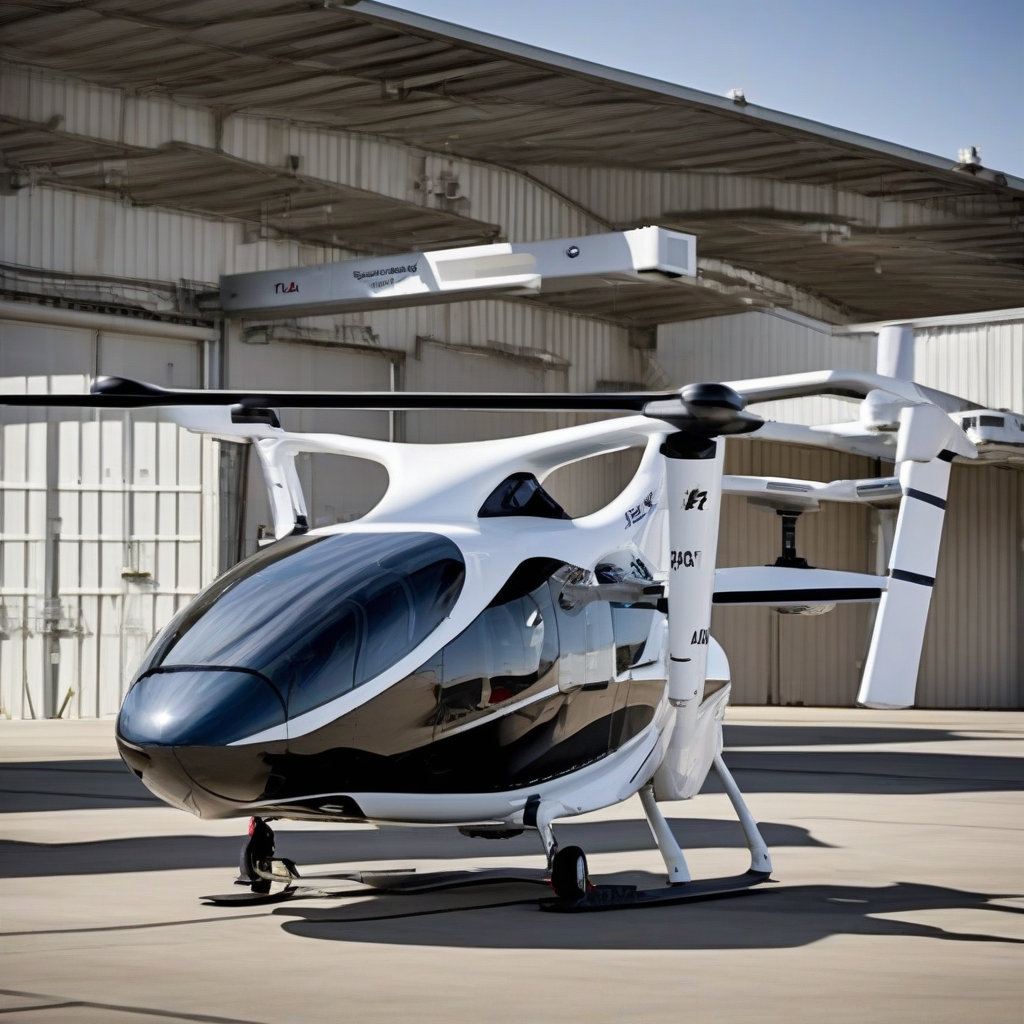
Operational context for FAA Revises eVTOL Certification Policy for Powered-Lift Aircraft
๐Ÿ“ธ Figure 1.2 ยท Operational Context
Figure 1.2: Secondary sector visual for Regulations briefing on FAA Revises eVTOL Certification Policy for Powered-Lift Aircraft.Skyline Intelligence

Strategic Implications

  • โœ“The FAA abandoned stricter proposed requirements for passenger-carrying eVTOL aircraft.
  • โœ“The new safety continuum aligns powered-lift certification closer to existing airplane and helicopter standards.
  • โœ“The policy directly impacts companies including Joby Aviation, Archer Aviation, and Beta.
  • โœ“The FAAโ€™s move increases the regulatory divergence from EASAโ€™s European certification framework.

The Federal Aviation Administration (FAA) has finalized a shift in its regulatory stance regarding the certification of electric vertical take-off and landing (eVTOL) aircraft. According to The Air Current, the agency has moved away from a proposed structure that would have mandated more rigorous safety requirements for passenger-carrying powered-lift vehicles. Instead, the FAA is adopting a framework that mirrors established certification protocols already in place for conventional fixed-wing airplanes and rotorcraft.

This new "safety continuum" specifically governs the certification process for winged eVTOL models currently in development by manufacturers including Joby Aviation, Archer Aviation, and Beta. By reverting to existing policy foundations, the FAA is increasing the regulatory distance between its own certification requirements and those maintained by the European Union Aviation Safety Agency (EASA). While EASA has pushed for a unique set of standards tailored to the specific operational nature of electric vertical flight, the FAAโ€™s pivot signals a preference for integrating these emerging aircraft into the existing national airspace system using familiar regulatory language.

Aircraft TypePrimary Regulatory FrameworkAgency
Conventional AirplaneExisting Part 23FAA
Conventional HelicopterExisting Part 27FAA
Winged eVTOLPowered-Lift Safety ContinuumFAA

Why It Matters

The divergence between the FAA and EASA creates a fragmented certification landscape for global aerospace manufacturers. Companies attempting to operate in both US and European markets may now face the burden of achieving dual compliance with two distinct sets of safety philosophies. This move by the FAA simplifies the path to market for domestic firms but potentially complicates international expansion, as aircraft certified under the simplified FAA criteria may still require significant modifications or supplemental safety demonstrations to meet the more granular EASA standards for electric aviation.

Expected Next Steps

  • 1Manufacturers will continue to work with FAA officials to define specific test points under the new continuum.
  • 2EASA may issue guidance on how US-certified eVTOLs will be treated when entering the European market.
  • 3Industry groups will likely monitor for additional rulemaking regarding pilot training for these powered-lift aircraft.

Frequently Asked Questions

It serves as the certification framework for winged eVTOL aircraft, specifically those designed for passenger-carrying operations.

It allows these manufacturers to pursue certification using more conventional FAA requirements for airplanes and helicopters rather than stricter, purpose-built eVTOL standards.

The FAA policy currently creates a wider gap between US and European certification standards, as EASA maintains a more distinct regulatory approach for electric aviation.

Source Transparency & Verified Dispatches

โœ“ Verified Primary Data
โœ“
FAA๐Ÿ›๏ธ Government / Regulatory
Source โ†—
โœ“
The Air Current๐Ÿ’ผ Corporate Dispatch
Source โ†—

Reader Discussion & Insights

Leave a Comment

Loading discussion thread...

Get Breaking Global Intel in Your Inbox

Subscribe to the Skyline Wire AI Daily Briefing. Direct insights across Aviation, Tech, EVs, and Markets.

Original announcement link: The Air Current

evtolfaaeasacertificationaviation-regulation
faa evtol certificationpowered-lift aircraft policyaviation safety continuumeasa vs faa regulationjoby aviationarcher aviationbeta aircraftelectric vertical takeoff and landing