
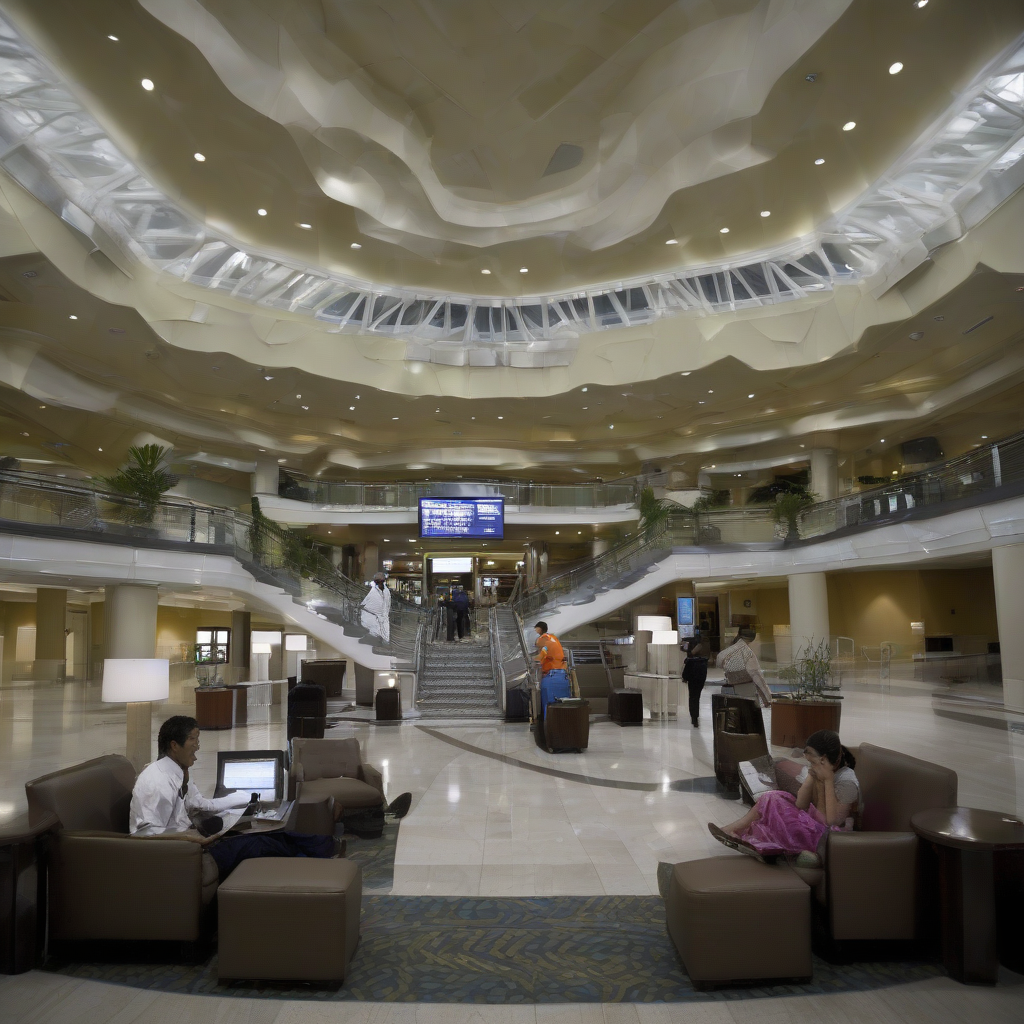
According to Hotel Industry, the extended-stay lodging segment reached its most significant peak for the month of June over a five-year period. This performance metric marks a notable shift in traveler preferences and lodging requirements.
Performance Overview
While the industry evaluates its summer earnings, the data confirms that extended-stay models have outpaced other traditional hospitality categories during the month. This sector, which caters to both business and leisure travelers seeking longer durations of stay, has consistently outperformed pre-pandemic benchmarks observed in previous years.
| Metric | Observation |
|---|---|
| Performance Period | June |
| Benchmark Timeline | Five Years |
| Sector Category | Extended-Stay Hotels |
Sector Analysis
The data suggests that economic conditions and corporate travel policies are increasingly favoring lodging options that offer apartment-style amenities. As organizations adjust to hybrid working arrangements, the demand for accommodations that bridge the gap between temporary lodging and residential living has grown, directly influencing the occupancy rates identified in the recent reporting cycle.
Why It Matters
The success of the extended-stay model reflects a permanent transition in how both individual travelers and corporate entities manage travel budgets. By prioritizing facilities that include kitchenettes and dedicated workspaces, the industry is effectively capturing market share from traditional, short-term hotel properties. Investors should monitor whether this trend leads to increased capital expenditure in the extended-stay property development pipeline over the next two fiscal years as operators look to capitalize on this sustained demand cycle.
Reader Discussion & Insights