
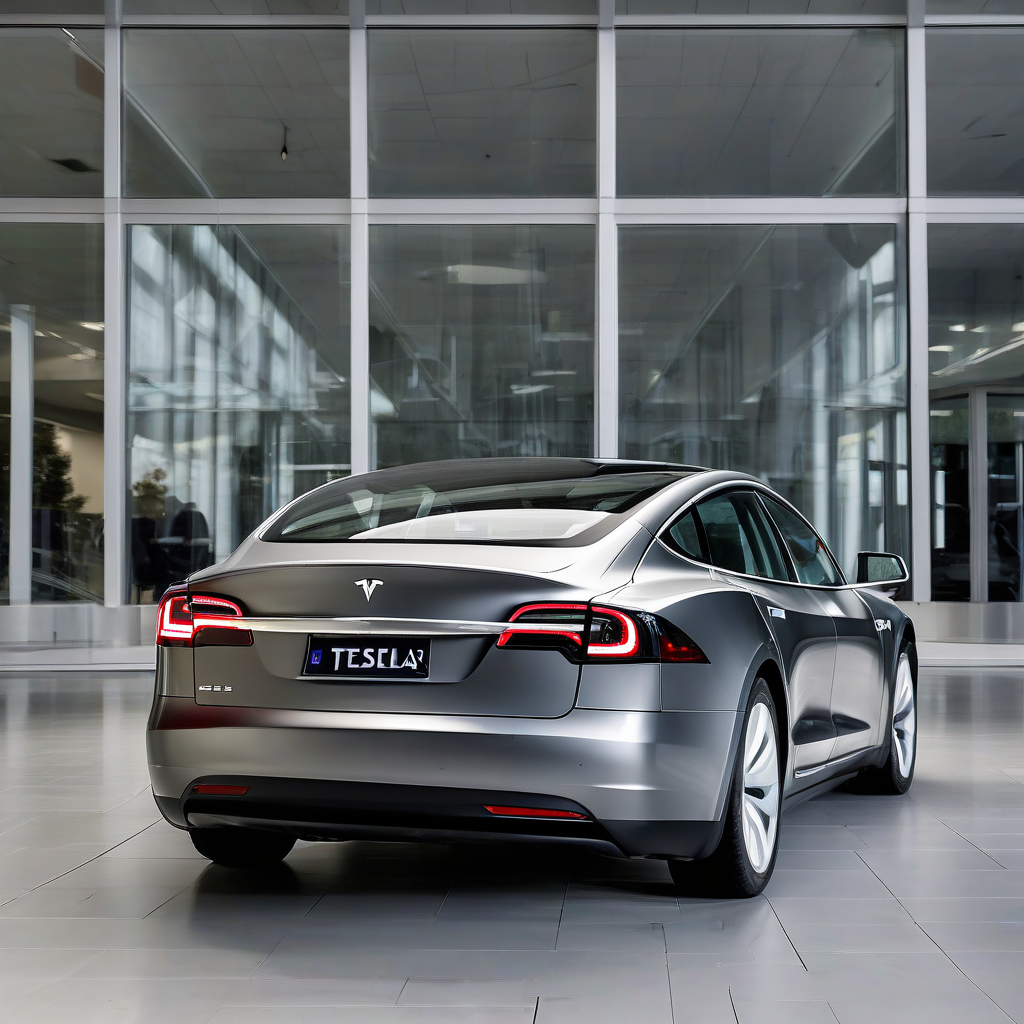

European regulators are currently withholding performance data regarding Tesla's Full Self-Driving (FSD) technology, citing pressure applied by the automotive manufacturer to keep the information private. According to Tesla, the company has actively engaged with officials to ensure that proprietary data concerning its autonomous driving software remains protected from public disclosure.
While the European Union maintains strict oversight regarding automotive safety standards, the specific metrics surrounding FSD performance—which are typically used to assess the efficacy of driver-assistance systems—have not been released to the public. This lack of transparency contrasts with the regulatory climate in other jurisdictions, where automated driving performance reports are sometimes subject to more rigorous disclosure requirements.
Industry observers note that the European regulatory framework, overseen by bodies like the European Commission and various national transport authorities, has been hesitant to mandate the release of raw data generated by individual vehicle systems. Tesla has historically argued that releasing such granular data could compromise their intellectual property and provide competitors with sensitive insights into their neural network training processes.
Why It Matters
The refusal to disclose safety data regarding autonomous systems in Europe highlights a significant friction point between regulatory transparency and corporate intellectual property rights. As the continent moves toward standardized regulations for Level 3 and Level 4 automated driving, the ability of third-party researchers to independently verify manufacturer claims remains limited. If regulators continue to defer to manufacturer requests for secrecy, it may delay the adoption of standardized safety benchmarks, potentially slowing the public integration of autonomous transit solutions across EU member states.
Reader Discussion & Insights