
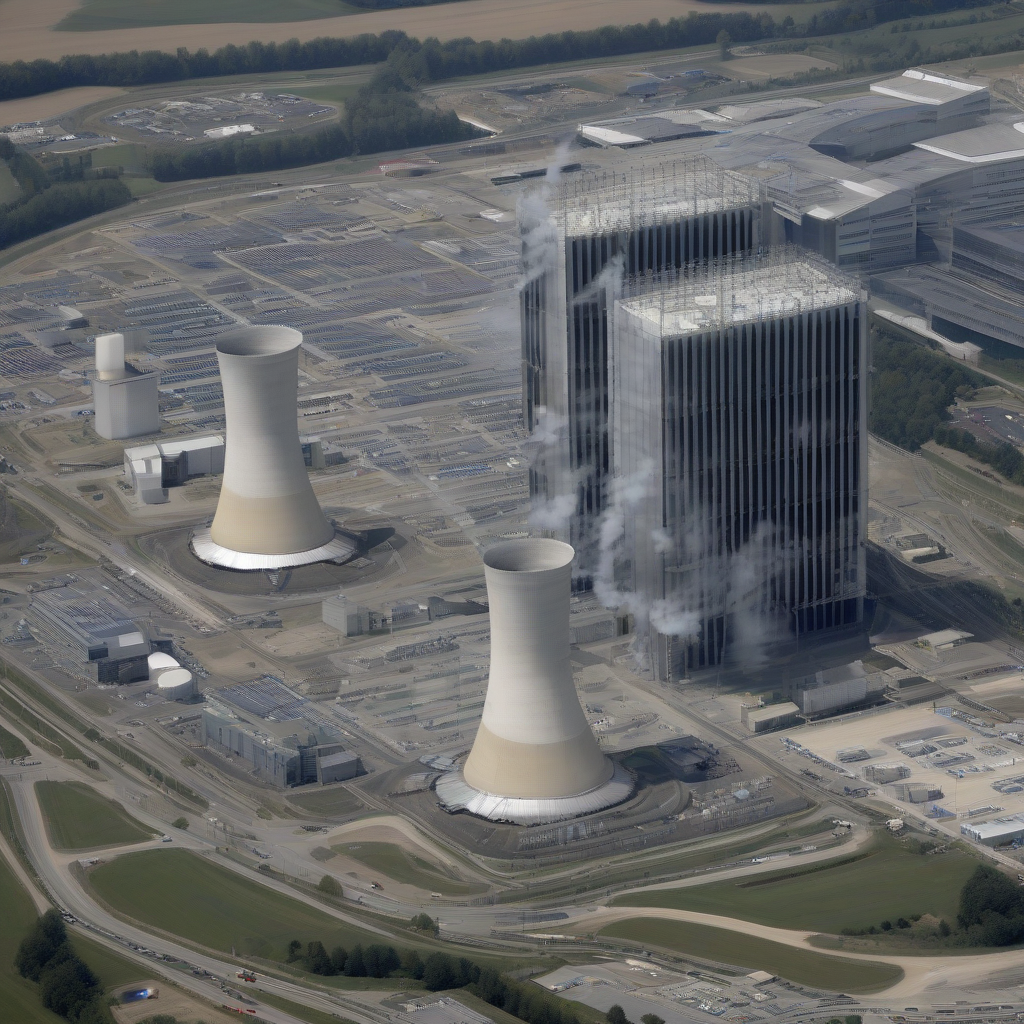

Electricity prices across Europe have reached €500 per megawatt-hour, driven by intense summer heat waves that have simultaneously spiked cooling demand and limited generation capacity, according to OilPrice.com. The combination of soaring temperatures and arid conditions is severely constraining the continent's energy security.
The current climate conditions have created a dual challenge for regional power markets. As residents increase their use of air conditioning, electricity demand has surged. Simultaneously, the warming and depletion of river systems have hindered operations for vital cooling-dependent infrastructure. France, a cornerstone of European nuclear energy, was forced last month to throttle output and shutter reactors at a record pace due to concerns over insufficient water supplies required to maintain safe reactor temperatures.
The crisis intensified this week as Hungary reported the necessity of shutting down its Paks nuclear power plant. The inability to adequately cool these facilities during sustained periods of extreme heat underscores the vulnerability of the European power grid to climate-related disruptions.
Energy Generation Impact
| Facility Type | Primary Operational Challenge | Current Status |
|---|---|---|
| Nuclear Reactors | Water cooling limitations | Reduced output / Shutdowns |
| Hydropower | Depleted water reserves | Restricted generation |
Why It Matters
The reliance on river water for thermal cooling represents a systemic vulnerability in the European energy strategy that many regulators overlooked during initial grid planning. This reliance forces a direct correlation between meteorology and energy market stability. For industrial manufacturers and utility providers, this volatility suggests that electricity price spikes will occur more frequently during summer months, necessitating urgent investment in closed-loop cooling technologies or more diverse grid inputs. Markets must now reconcile the declining reliability of traditional baseload thermal power with the intermittent nature of renewables during extreme heat events.
Reader Discussion & Insights