
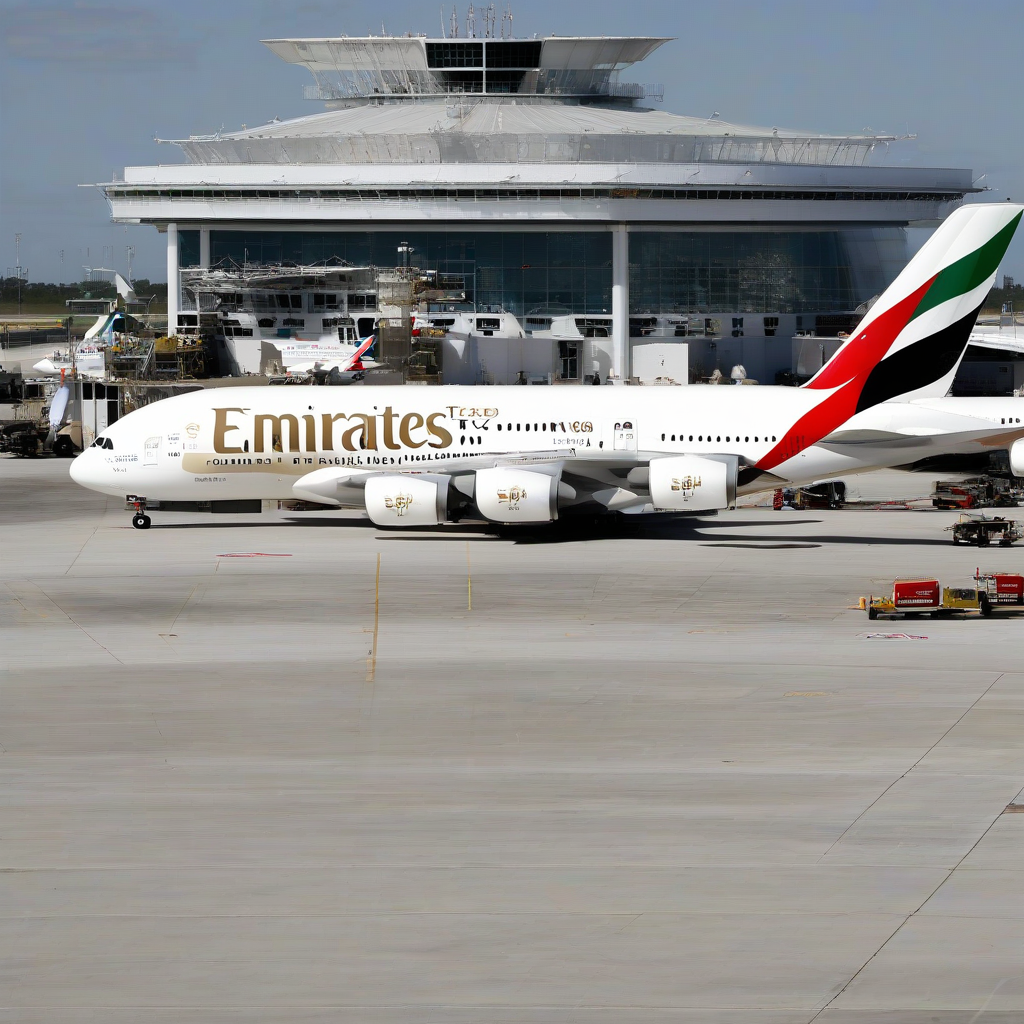

Emirates, the Dubai-based carrier, has confirmed a significant reduction in its United States operations, specifically targeting its corridors serving the state of Florida. According to Simple Flying, the airline is implementing a 29% cut to its flight frequencies for these routes, which will take effect next month.
The schedule adjustment impacts services to Orlando International Airport (MCO) and Miami International Airport (MIA). The Miami route is particularly notable for its unique operational structure, which includes a secondary leg serving Colombia. These changes represent a tactical shift in the airline's North American capacity management.
Impacted Florida Routes
| Route Origin | Destination Airport | Service Modification |
|---|---|---|
| Dubai (DXB) | Orlando (MCO) | 29% Frequency Reduction |
| Dubai (DXB) | Miami (MIA) | 29% Frequency Reduction |
While the carrier has not issued detailed public disclosures regarding the specific financial or operational triggers for these reductions, such decisions are typically filed with the Department of Transportation (DOT) and monitored by aviation regulatory bodies to ensure slot compliance at international gateways. Travelers with existing bookings for the affected travel dates are advised to monitor their flight status through official airline channels.
Why It Matters
The 29% reduction in capacity to high-traffic Florida hubs signals a broader trend of supply-side discipline among long-haul carriers operating in the US market. By thinning schedules, Emirates may be attempting to optimize yield management amid fluctuating premium demand and increased competition from North American legacy carriers. Furthermore, the move highlights the vulnerability of secondary US long-haul routes, where operational costs often require high passenger load factors to remain profitable. Airlines are increasingly prioritizing high-yield markets over network breadth to protect margins in an environment characterized by rising fuel and labor expenses.
Reader Discussion & Insights