
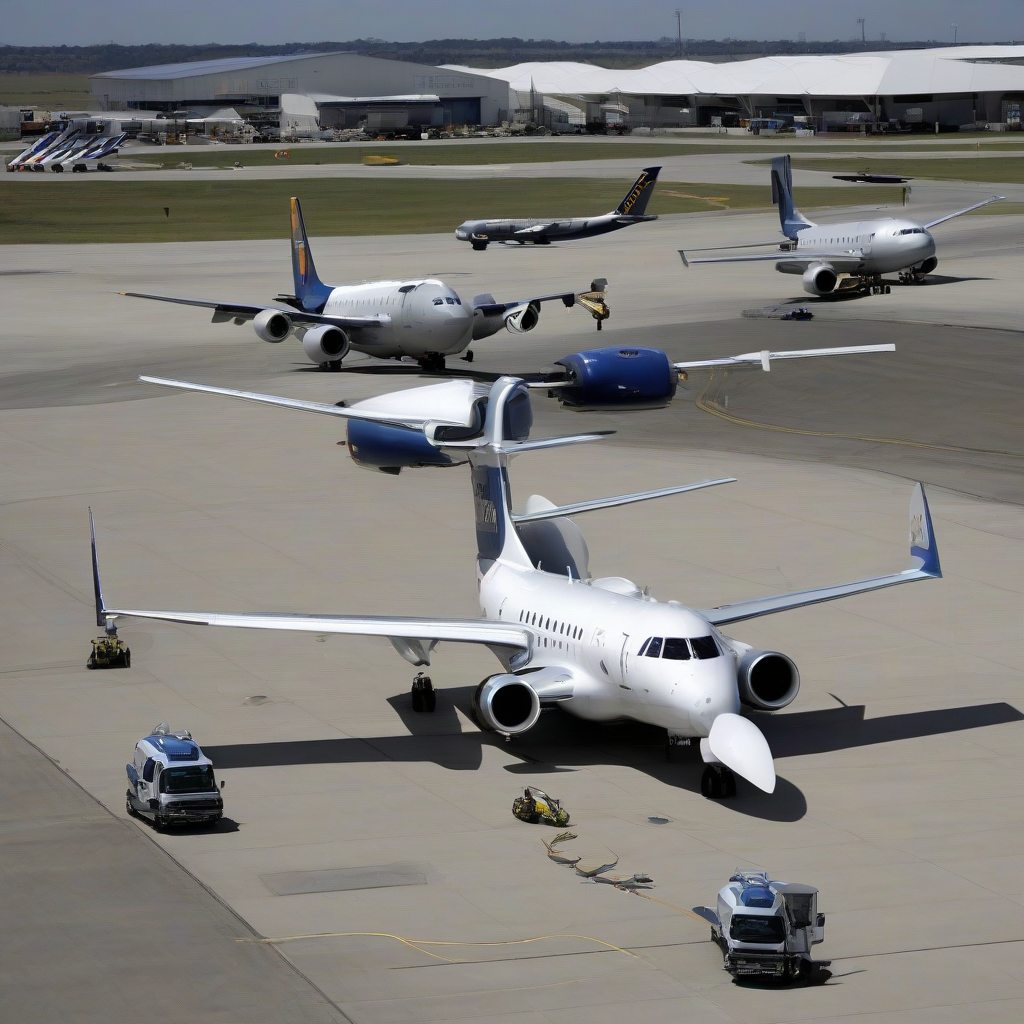
According to Simple Flying, the Embraer C-390 Millennium is increasingly viewed as a primary logistical alternative for Western-aligned nations seeking a tactical airlifter that does not rely on Chinese or Russian technology. While Brazil is not traditionally classified as a Western nation, the aircraft is integrated into Western supply chains and has gained traction as a strategic choice for military procurement.
Tactical Comparison
The C-390 serves as a direct competitor to the long-standing Lockheed Martin C-130J Super Hercules. Its design allows it to perform similar roles in cargo transport, aerial refueling, and medical evacuation, providing a modernized platform that remains financially accessible for smaller air forces.
| Feature | Embraer C-390 Millennium | Lockheed Martin C-130J |
|---|---|---|
| Primary Manufacturer | Embraer (Brazil) | Lockheed Martin (USA) |
| Market Positioning | Tactical Airlift | Tactical Airlift |
| Supply Chain | Western-Integrated | Western-Standard |
Strategic Utility and NATO Compliance
For NATO members and other Western-aligned states, the C-390 represents a geopolitical solution. By adhering to Western aviation standards, the aircraft avoids the political complications associated with purchasing military hardware from state-led industries in Russia or China. The manufacturer has focused on ensuring that the aircraft meets the operational demands of international defense agencies while offering a competitive price point that fits within the budget constraints of smaller nations.
Why It Matters
The emergence of the C-390 suggests a shifting dynamic in global defense procurement. By diversifying the pool of available tactical transport aircraft, militaries are less reliant on a single supplier, which mitigates supply chain risks and potential price gouging. Furthermore, the success of the C-390 demonstrates that regional aerospace leaders can challenge legacy incumbents by focusing on high interoperability with existing NATO communications and logistics systems. This competitive pressure encourages innovation, forcing legacy manufacturers to re-evaluate their pricing models to remain the preferred choice for defense ministries worldwide.
Reader Discussion & Insights