
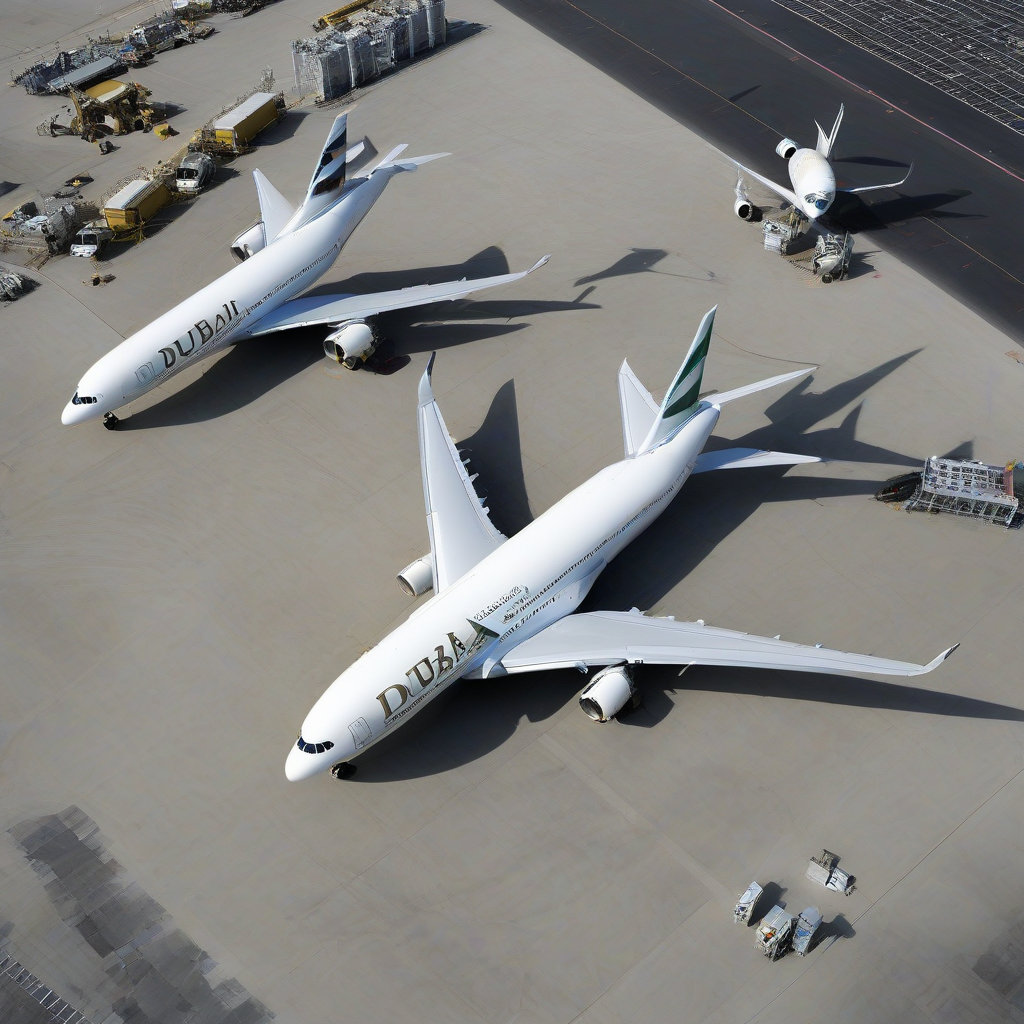
Dubai Aerospace Enterprise (DAE) is positioned to become one of the world's largest aircraft leasing entities as it integrates recent acquisitions, according to AeroTime. Owned by the Investment Corporation of Dubai, the firm has expanded its footprint through the acquisitions of Nordic Aviation Capital (NAC) in 2025 and Macquarie AirFinance (MAF) in 2026.
Following the finalization of the Macquarie transaction, the company’s fleet is projected to exceed 1,000 aircraft. This expansion will enable DAE to provide services across 80-85 countries. During the 82nd Annual General Meeting (AGM) of the International Air Transport Association (IATA) held in Rio de Janeiro from June 6-8, 2026, DAE Chief Executive Officer Firoz Tarapore noted that the leasing division currently constitutes approximately 85% of the firm's total operations, with the remaining portion dedicated to airframe heavy maintenance, repair, and overhaul (MRO) services centered in Amman, Jordan.
| Feature | Current/Projected Detail |
|---|---|
| Current Fleet Size | Approx. 700 aircraft |
| Projected Fleet Size | > 1,000 aircraft |
| Operational Reach | 80-85 countries |
| Leasing Business Mix | 85% of total operations |
| Engineering/MRO Mix | 15% of total operations |
DAE employs a distinct strategic approach regarding its portfolio composition. While competitors may cover a broader spectrum, DAE focuses on specific narrowbody and widebody products from Boeing and Airbus, complemented by two specialized types: the ATR72-600 and the factory-fresh Boeing 777 freighter. Tarapore emphasized that these unique product selections provide competitive advantages and attractive profit margins that differentiate DAE from other large-scale lessors.
Why It Matters
DAE’s focus on specialized aircraft like the ATR72-600 and factory-fresh Boeing 777 freighters signals a strategic shift in the leasing sector. By targeting niche segments that larger, generalist competitors often overlook, DAE secures higher barriers to entry and sustained profitability. This consolidation trend, evidenced by the absorption of NAC and MAF, suggests that the global leasing market is moving toward greater centralization. Consequently, airlines may find themselves dealing with fewer, more specialized lessors capable of providing bespoke support for both mainstream and highly specific operational requirements, fundamentally altering how capital is deployed in global fleet management.
Reader Discussion & Insights