
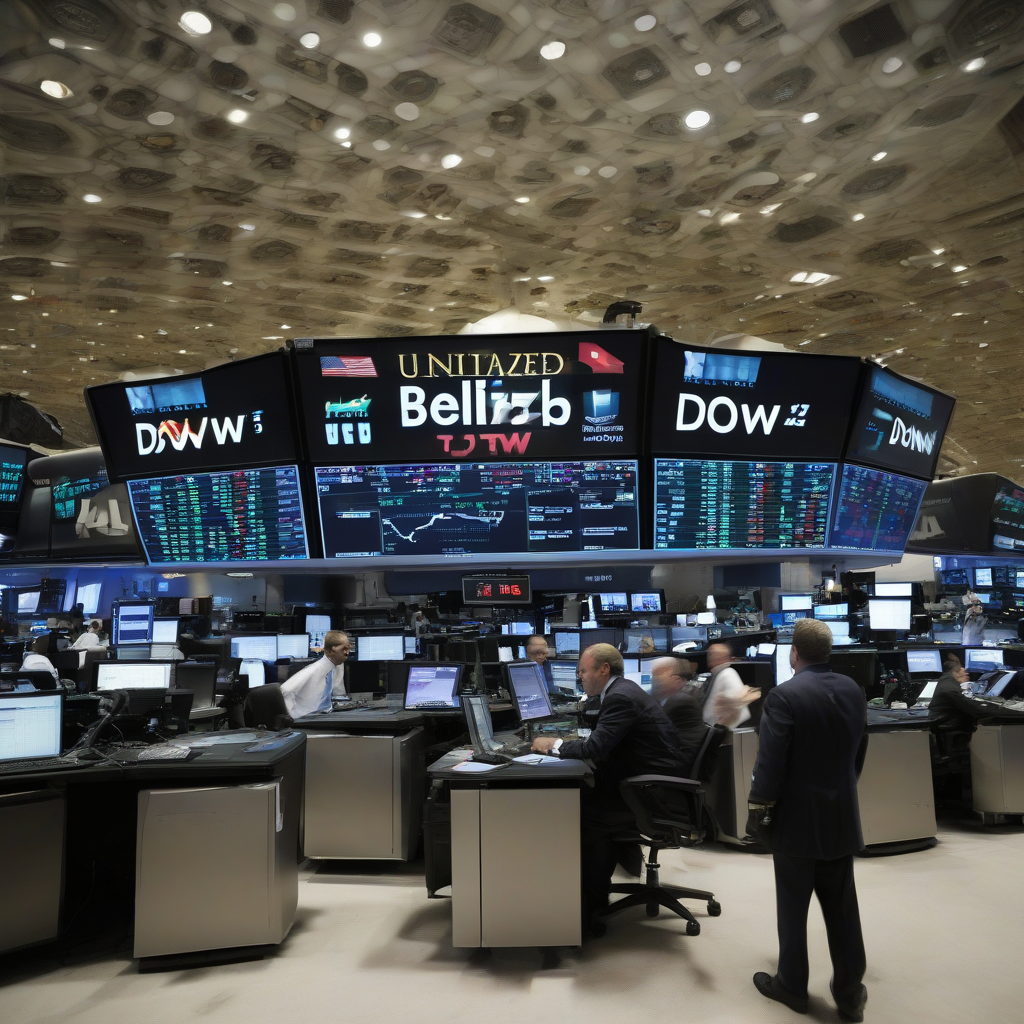
On August 5, 2026, equity markets displayed divergent performance as the Dow Jones Industrial Average secured a record closing high, according to NASDAQ. The market movement was heavily influenced by investor sentiment regarding geopolitical negotiations in the Strait of Hormuz and specific corporate earnings results.
While the Dow recorded its third consecutive record close, supported by a 900-point surge, the S&P 500 experienced a slight decline after initially reaching a milestone above 7,700 for the first time. The technology-heavy Nasdaq index retreated as a pullback in the semiconductor sector and unfavorable financial reports from major entities weighed on investor appetite.
Market Performance Summary
| Index | Performance Note | Key Driver |
|---|---|---|
| Dow Jones | Record Close | Geopolitical Optimism |
| S&P 500 | Inched Lower | Tech/Chip Sector Drag |
| Nasdaq | Declining | SpaceX & AMD Earnings |
Financial analysts noted that market volatility was exacerbated by the discrepancy between industrial strength and technology sector weakness. According to NASDAQ, official commentary regarding a potential Hormuz deal provided a floor for the broader market, even as tech-focused investors liquidated positions in response to the earnings shortfalls from AMD and the cratering valuation of SpaceX. The Federal Reserve and SEC monitor such market activity to assess systemic risk, though the primary catalyst for the session remained the intersection of international diplomacy and corporate transparency.
Why It Matters
The market’s performance on August 5, 2026, highlights the ongoing sensitivity of Wall Street to energy security developments in the Middle East. The divergence between the Dow’s industrial-led record and the tech sector's retreat suggests a rotation in investor preference toward defensive or value-oriented assets in the face of geopolitical uncertainty. Furthermore, the volatility in SpaceX and AMD valuations underscores a shift in how the market prices speculative growth versus established industrial capacity during periods of intense geopolitical negotiation.
Reader Discussion & Insights