
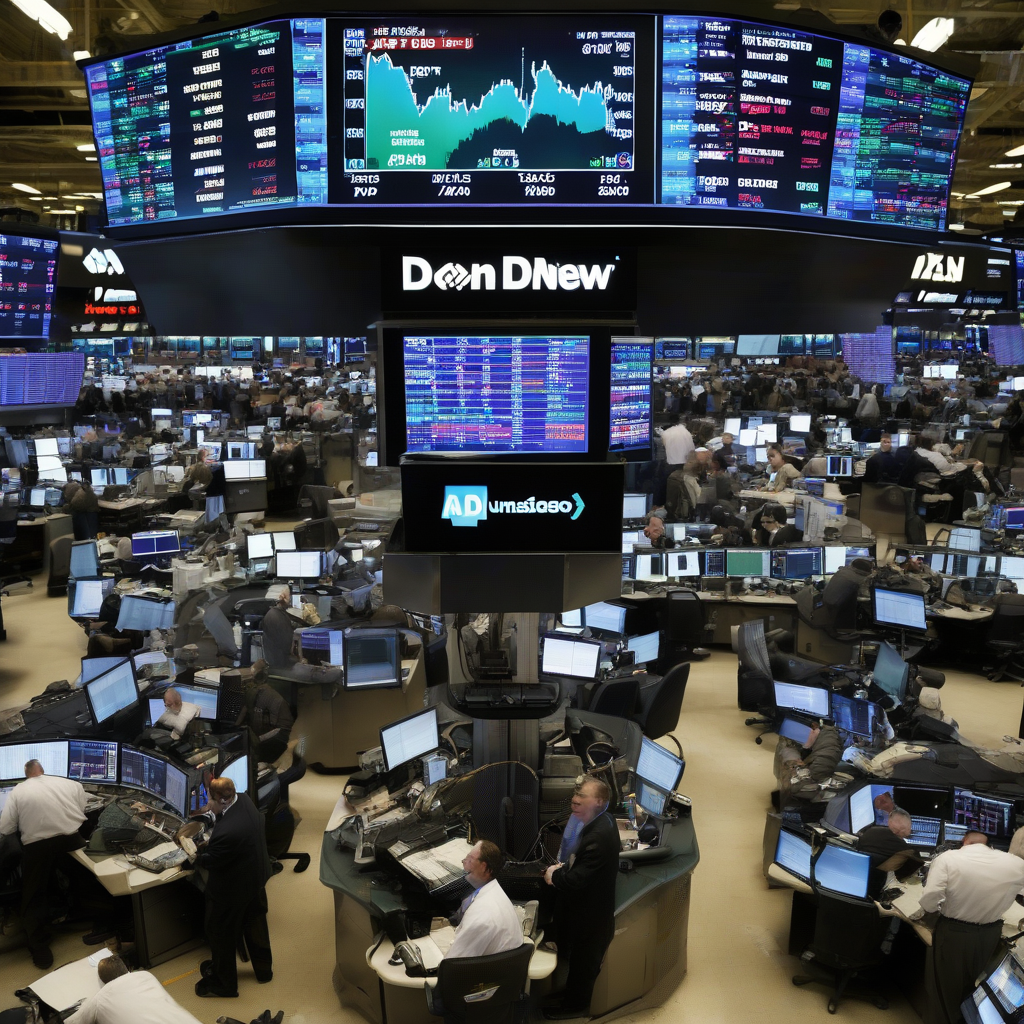
On August 5, 2026, the Dow Jones Industrial Average secured its third straight record closing high, demonstrating distinct performance divergence from the broader technology sector. According to NASDAQ, the market environment remained mixed as investors balanced gains in industrial and traditional equities against notable pressure within the semiconductor space and disappointing earnings results from key technology firms.
While the Dow maintained its upward momentum, the Nasdaq Composite index faced downward pressure, largely driven by a contraction in the chip sector and negative sentiment surrounding earnings reports from SpaceX and AMD. The S&P 500 exhibited minor volatility, closing just off its highs, even as the market reacted to ongoing geopolitical speculation regarding a potential deal in the Strait of Hormuz.
Market Performance Overview
| Index | Performance Direction | Key Context |
|---|---|---|
| Dow Jones | Record Close | Third straight day of gains |
| S&P 500 | Marginal Decline | Above 7,700 threshold |
| Nasdaq | Declining | Tech and Chip sector weakness |
Official market tracking confirms that the Dow surged 900 points during the trading session, contributing to the index's record-setting trajectory. Simultaneously, the S&P 500 successfully breached the 7,700 level for the first time. The underlying volatility was compounded by reports of potential diplomatic progress in Hormuz, which influenced energy prices and broader market outlooks provided by analysts and media outlets like CNBC and Barron's.
Why It Matters
The decoupling of industrial stocks from the technology sector represents a shift in investor risk appetite. As tech valuations face correction, the rotation into established industrial components provides a defensive buffer for major indices. This trend suggests that institutional capital is prioritizing earnings stability and geopolitical stability—such as the potential Hormuz resolution—over the speculative growth multiples that previously dominated the Nasdaq. This diversification of market drivers is a primary indicator of a maturing bull market, where breadth often signals higher sustainability than tech-exclusive rallies.
Reader Discussion & Insights