
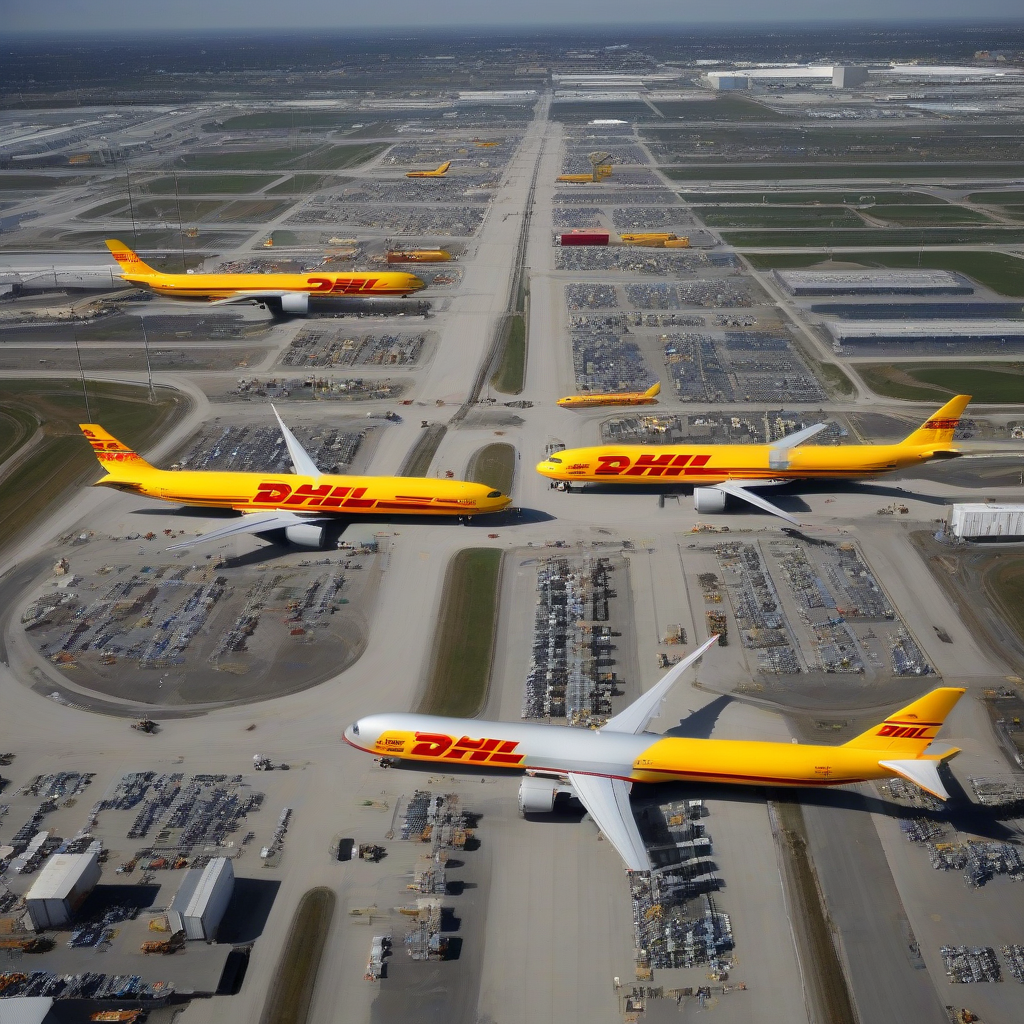
DHL Group has officially confirmed that it has received financial reimbursements stemming from United States customs refunds. According to DHL Press, these recovered funds, combined with updated capital management strategies, have prompted the organization to expand its ongoing share buyback initiative.
The logistics firm is reallocating these reclaimed assets to bolster its financial structure, signaling a commitment to returning capital to shareholders. This move follows internal reviews of historical customs duties paid within the United States. While the specific total value of the customs refund was not itemized in the immediate disclosure, the company indicated that the infusion of liquidity played a role in the board's decision to increase the scope of its repurchase activities.
Financial Summary
| Action Item | Status | Strategic Goal |
|---|---|---|
| US Customs Refund | Received | Liquidity Injection |
| Share Buybacks | Expanded | Shareholder Returns |
These financial developments occur under the broader regulatory oversight governing international trade and customs compliance. By securing these refunds, the organization demonstrates active management of its tax and duty liabilities in key operational regions. Such adjustments are subject to standard oversight by relevant financial regulators to ensure alignment with transparency requirements and market-listed entity protocols.
Why It Matters
The ability of a major logistics operator to recover historical customs duties highlights the importance of precise duty management in international trade. For global shippers, these refunds represent more than just one-time gains; they underscore the impact of rigorous trade compliance programs on bottom-line performance. By channeling these recovered funds into share buybacks, the company effectively increases earnings per share, providing a tangible benefit to investors. This strategy also serves as a defensive mechanism against broader economic volatility by strengthening the firm's equity base during periods of fluctuating trade volumes and high capital expenditure in logistics infrastructure.
Reader Discussion & Insights