
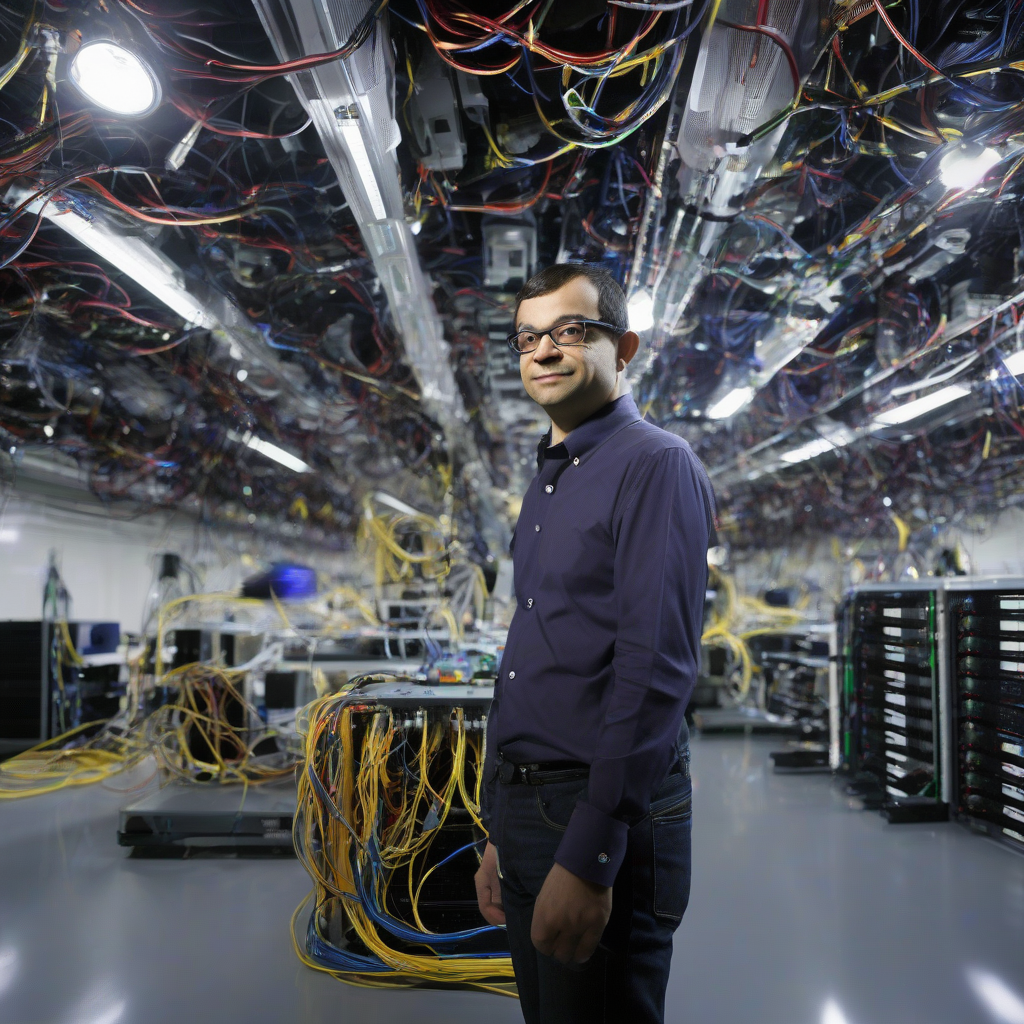

Google has announced a major leadership and organizational restructuring of its artificial intelligence division, DeepMind. According to TIME, Demis Hassabis is stepping down from his role as CEO to transition into a new capacity as chair of DeepMind, while simultaneously assuming the position of chief scientist at Alphabet, Google’s parent company. This change follows ongoing efforts by the firm to close the gap with competitors such as OpenAI and Anthropic.
Following the leadership shift, Koray Kavukcuoglu, previously DeepMind’s chief technology officer, will assume management of the division, holding the title of senior vice president. The internal changes involve significant operational adjustments. Lila Ibrahim, the Chief AI Readiness Officer, is now set to report to senior Google executive James Manyika. Furthermore, reports indicate that specific safety-focused teams previously managed by Ibrahim may move under the oversight of Kent Walker, Google’s president of global affairs, though internal sources note these transitions remain subject to final confirmation. Legal, communications, and marketing teams within DeepMind are slated for integration into Google’s primary corporate structure.
These adjustments come amidst a series of departures and development delays. Longtime Google chief scientist Jeff Dean has confirmed his exit to lead a new startup, and Nobel Prize-winning scientist John Jumper recently left for Anthropic. These personnel shifts coincide with public struggles regarding the performance and release schedules of the Gemini frontier AI model.
Leadership and Operational Changes
| Position/Entity | Change/Status | New Reporting/Structure |
|---|---|---|
| Demis Hassabis | From CEO to Chair | Reports to Alphabet |
| Koray Kavukcuoglu | Appointed SVP | Replaces Hassabis as lead |
| Lila Ibrahim | Remains in role | Reports to James Manyika |
| Safety/Ethics Teams | Pending Transfer | Potential move to Kent Walker |
| Comms/Legal/Marketing | Merging | Integrated with Google |
Why It Matters
The move marks a decisive shift in Google’s approach to AI governance. By pulling safety and ethics teams away from the isolated DeepMind unit and into the broader corporate oversight of Kent Walker, Google is signaling a prioritization of legal and public policy compliance over academic or research-led autonomy. This centralization is likely a reaction to the competitive pressure from OpenAI and Anthropic, where rapid product deployment has often outpaced internal safety cycles. Moving forward, the company faces the challenge of maintaining its research edge while managing the rigid bureaucratic hurdles of a global conglomerate.
Reader Discussion & Insights