
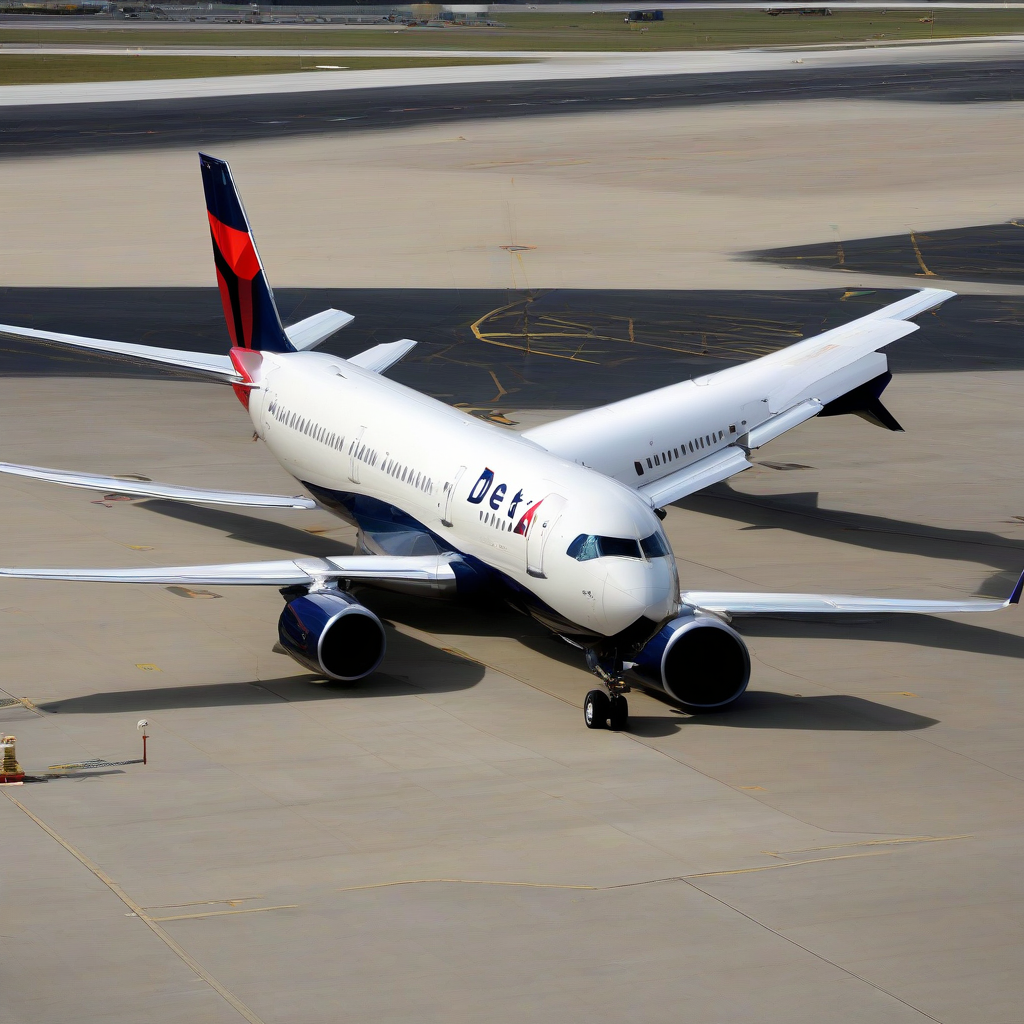

Delta Air Lines has announced the launch of its inaugural nonstop service connecting the United States to Saudi Arabia, with flights departing from Hartsfield-Jackson Atlanta International Airport (ATL) to Riyadh (RUH). According to AeroTime, this route represents the first direct connection between the U.S. and the Saudi capital operated by an American carrier. Service is scheduled to commence on October 23, 2026.
The service will initially operate on a daily basis from October 23 through October 30, 2026, before transitioning to a frequency of three times per week. The airline intends to deploy the Airbus A350-900 on this route, featuring a variety of cabin classes including Delta One, Delta Premium Select, Delta Comfort, and Delta Main cabins. Amenities will include Delta Studio entertainment, T-Mobile-powered Delta Sync Wi-Fi, and Halal meal offerings.
Operational Schedule and Details
| Detail | Information |
|---|---|
| Launch Date | October 23, 2026 |
| Route | Atlanta (ATL) to Riyadh (RUH) |
| Aircraft Type | Airbus A350-900 |
| Initial Frequency | Daily (Oct 23–30, 2026) |
| Long-term Frequency | Three times weekly |
| Cabin Options | Delta One, Premium Select, Comfort, Main |
Delta President Peter Carter stated that the route aligns with the carrier's broader strategy to enhance connectivity to regions experiencing significant economic and cultural growth. The airline emphasizes that passengers should monitor official Saudi government portals, including the Ministry of Foreign Affairs and the Visit Saudi platform, to ensure compliance with evolving visa, customs, and passport requirements.
Why It Matters
This move signals a strategic pivot for U.S. legacy carriers, which have historically ceded much of the premium Middle Eastern transit market to regional Gulf-based airlines like Saudia, Emirates, and Qatar Airways. By establishing a direct link to Riyadh, Delta is positioning Atlanta as a central gateway for U.S.-based business interests in the kingdom’s Vision 2030 initiatives. This route challenges the existing transit-heavy travel patterns and forces regional competitors to reconsider their loyalty program and pricing structures to maintain market share on North American corridors.
Reader Discussion & Insights