
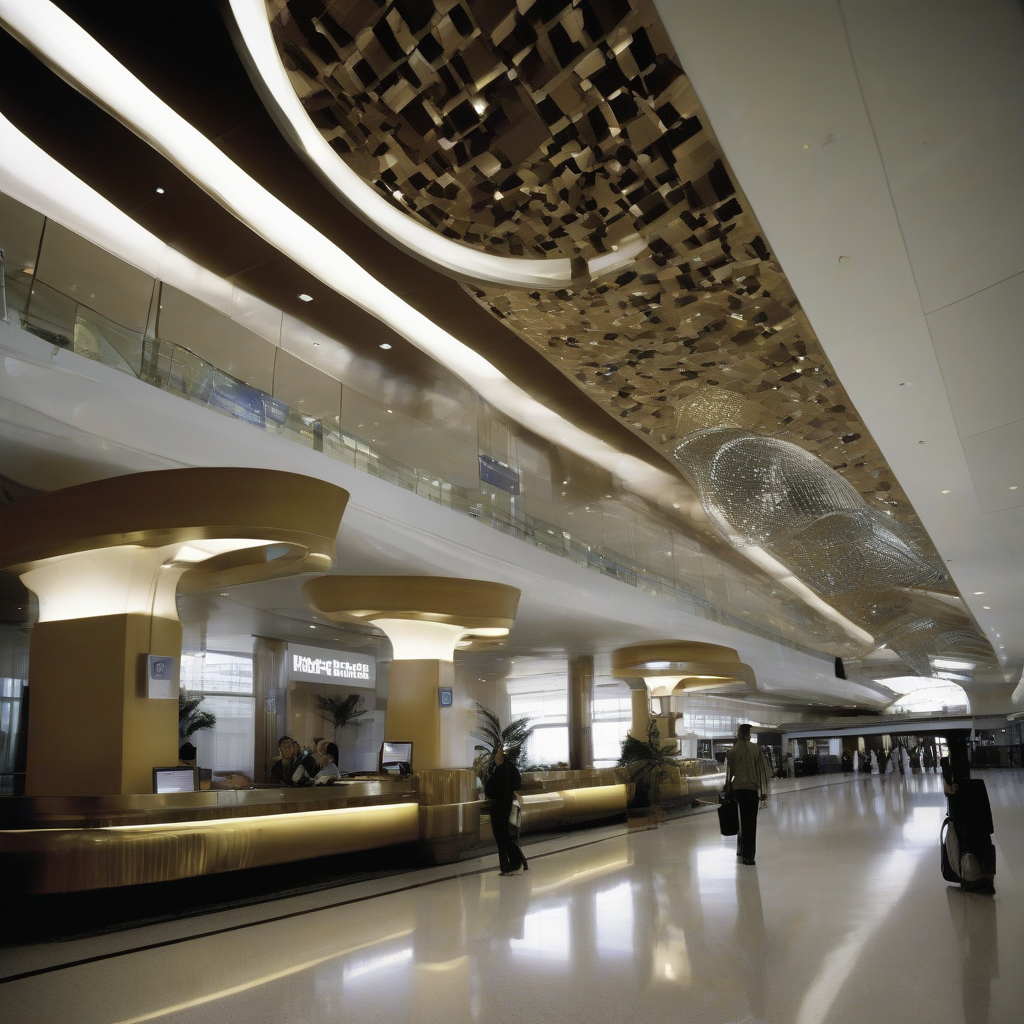

Luxury hotel operators are shifting their business models to emphasize cultural immersion and intellectual engagement as a primary competitive advantage. According to Hotel Industry, the modern luxury traveler no longer views physical amenities as the sole measure of value; instead, they seek deep integration with local artistic, historical, and social environments.
This shift moves beyond traditional concierge services, focusing on providing guests with exclusive access to local intellectual spheres and cultural assets. By embedding these intangible offerings into the core hospitality experience, brands aim to foster higher levels of guest loyalty and differentiate their properties from generic high-end accommodations.
Strategic Shifts in the Hospitality Sector
| Feature | Traditional Luxury Model | Cultural Capital Model |
|---|---|---|
| Core Value Prop | Physical Amenities | Intellectual/Cultural Access |
| Guest Focus | Passive Comfort | Active Engagement |
| Differentiation | Brand Standard | Unique Local Integration |
Why It Matters
The transition toward cultural capital represents a maturing luxury market where price sensitivity is secondary to experience scarcity. For the hospitality sector, this creates a reliance on long-term partnerships with local institutions, galleries, and cultural historians. Unlike traditional renovations or amenity upgrades, building cultural capital requires a continuous investment in community relationships and intellectual programming. If successful, this approach effectively insulates brands from price-based competition by creating a proprietary experience that cannot be replicated by competitors simply increasing their physical overhead.
Reader Discussion & Insights