
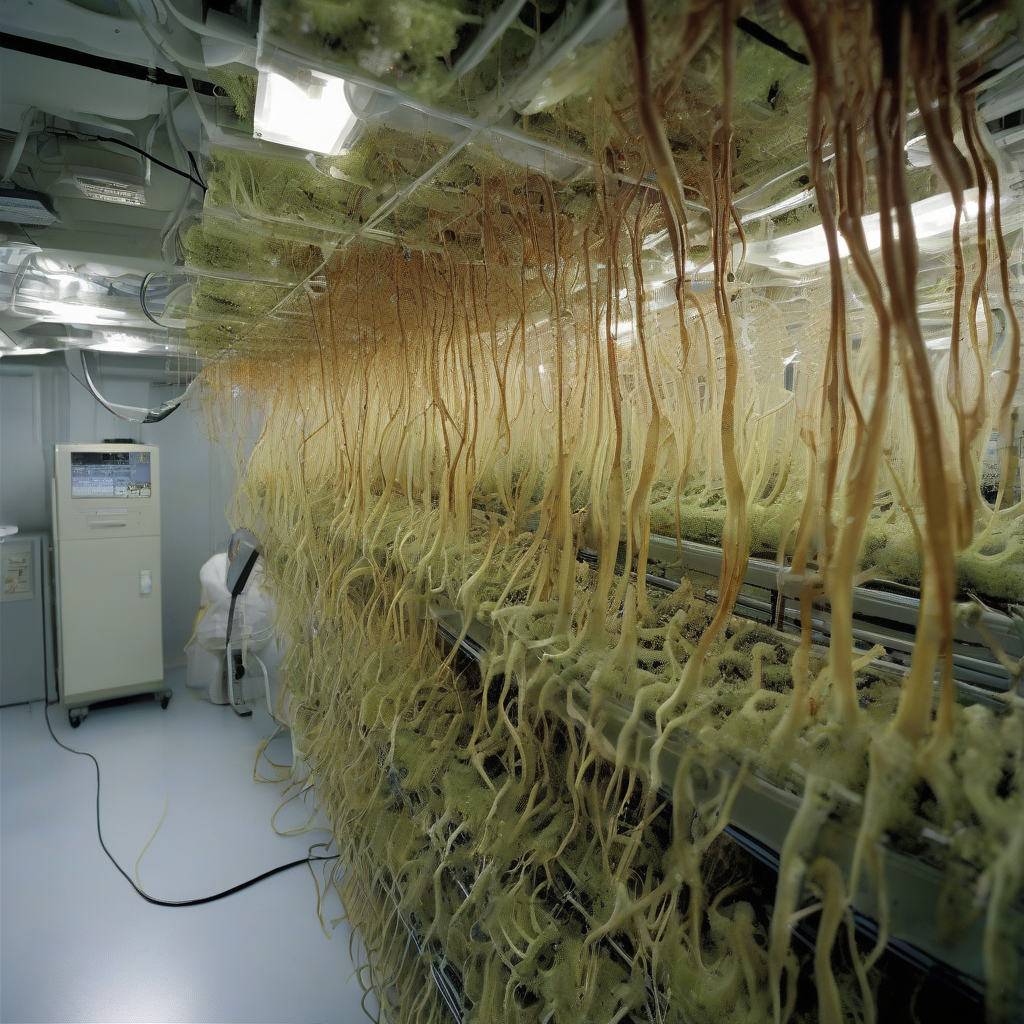

A recent analysis published in the scientific journal IMA Fungus has identified the presence of Cordyceps fungi within mosses, indicating that these parasites may utilize a secondary life stage to persist in the environment. According to Ars Technica, this discovery suggests that the fungus may rely on moss as a reservoir when insect populations are low, potentially clarifying why host insects often exhibit behaviors targeting mosses during the final stages of infection.
While the Cordyceps genus is widely recognized for its ability to manipulate insect behavior, the discovery of its DNA within mosses provides a new understanding of its life cycle. Researchers have long documented how the fungus targets specific species, including ants, dragonflies, cockroaches, aphids, and beetles. Once the spores attach to a host, they germinate and proliferate throughout the organism via mycelia, long tendrils that eventually allow the fungus to control the host’s movements.
Cordyceps Classification and Characteristics
The following table summarizes the scope and behavioral impact of these pathogens:
| Feature | Data / Description |
|---|---|
| Total known species | > 400 |
| Primary mechanism | Mycelia spread via host body |
| Typical host targets | Ants, dragonflies, cockroaches, aphids, beetles |
| Known survival strategy | Host manipulation / Moss-based secondary life stage |
Historically, the infection process ends with the fungus forcing its host to secure itself to a leaf or twig in a "death grip" to optimize spore dispersal. The identification of these fungi in non-insect biological matter suggests that Cordyceps is more adaptable than previously observed in nature documentaries or popular culture portrayals, such as those in the 2013 video game The Last of Us.
Why It Matters
This finding alters the scientific understanding of pathogen environmental stability. If Cordyceps can persist within botanical hosts like mosses, the ecological risk profile for various insect populations must be re-evaluated. Understanding these fungal reservoirs is essential for future research into pest control, agricultural health, and the evolution of host-pathogen interactions. Furthermore, this adds a complex layer to how we model the spread of parasitic diseases in dense ecosystems, moving beyond simple host-vector diagrams to account for environmental survival strategies that ensure the pathogen’s persistence during seasonal or cyclical host scarcity.
Reader Discussion & Insights