
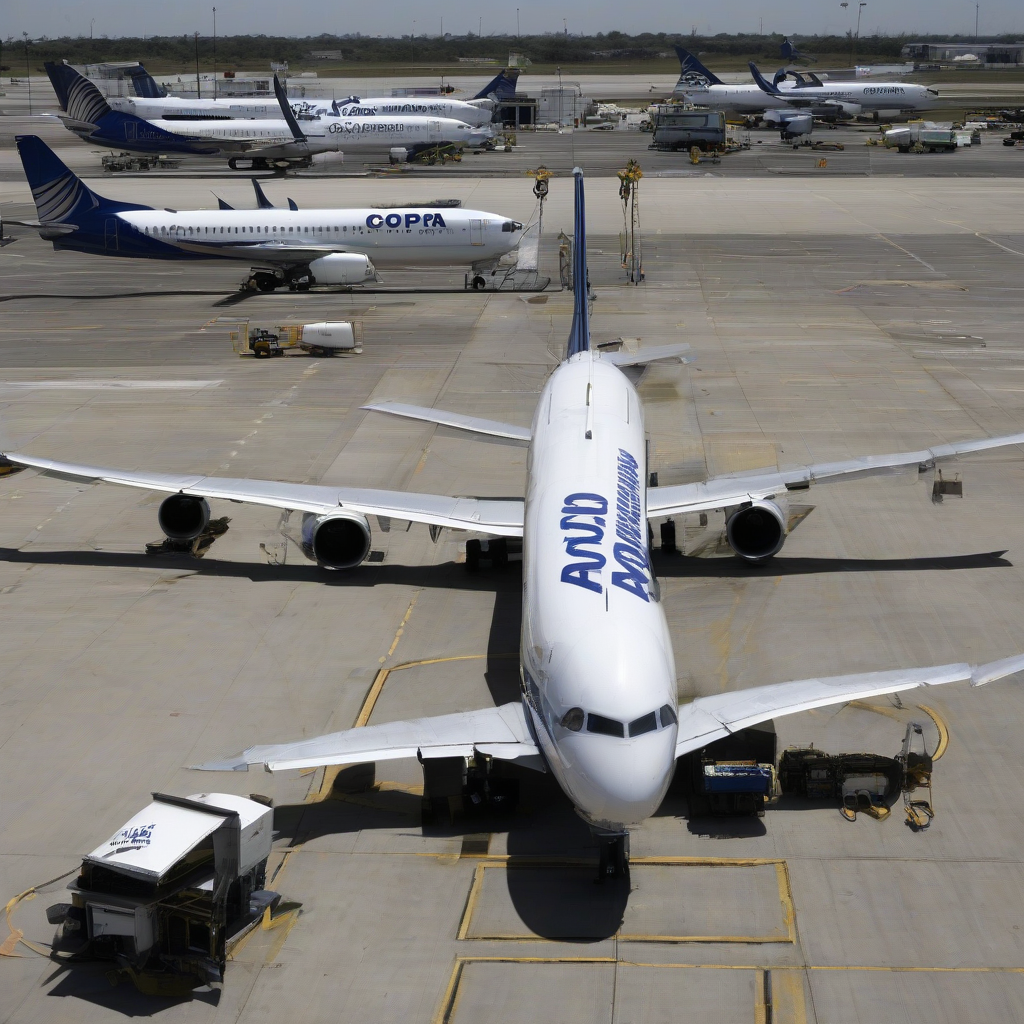

Panama-based Copa Airlines has officially revised its capacity growth outlook for 2026 upward, signaling strong confidence in network demand despite the headwind of sustained fuel price volatility. According to FlightGlobal, the carrier now projects year-over-year capacity growth of 14-15%, measured by available seat-miles (ASMs), exceeding its previous forecast of 11% to 13%.
This expansion plan follows a mixed financial performance for the quarter ending 30 June. Copa reported an operating profit of $91.7 million, a figure that represents a 50% decline compared to the same period in the prior year. Additionally, the airline’s operating margins compressed, falling to 8.7% from over 20%. Chief Financial Officer Peter Donkersloot noted that robust passenger demand enabled the firm to recover approximately 40% of the additional fuel costs incurred during the quarter.
| Financial/Operational Metric | Data Point |
|---|---|
| Q2 Operating Profit | $91.7 million |
| Q2 Operating Margin | 8.7% |
| Previous Capacity Growth Forecast | 11% to 13% |
| New Capacity Growth Forecast | 14-15% |
| 2025 Operating Margin | 22.6% |
| Total Fleet Size | 131 aircraft |
To facilitate this growth, Copa is expanding its Panama City hub operations. The airline intends to add two new banks of flights starting in March 2027, bringing the total to eight. This strategy is designed to improve aircraft utilization and strengthen the airline's role as a primary bridge between North and South American markets. Fleet modernization remains a cornerstone of these plans, with the company taking delivery of four Boeing 737-Max 8 aircraft during the recent quarter, expanding its total fleet to 131 units.
Executive Vice President Robert Carey emphasized the airline's operational agility, citing mechanisms such as lease expirations and significant unencumbered aircraft assets that allow the firm to scale growth based on evolving market conditions. The carrier anticipates an operating margin between 17 and 19% for the coming period, acknowledging a decline from the 22.6% margin achieved in 2025.
Why It Matters
Copa Airlines’ decision to increase capacity while margins are under pressure demonstrates the competitive necessity of maintaining market share at high-traffic connecting hubs. By optimizing its Panama City "hub and spoke" model, Copa is betting that the efficiency gains from adding flight banks will eventually offset current fuel-related margin erosion. This strategy reflects a broader trend among mid-sized international carriers to prioritize network connectivity over short-term margin peaks, ensuring they remain the primary choice for long-haul transit passengers between the Americas.
Reader Discussion & Insights