
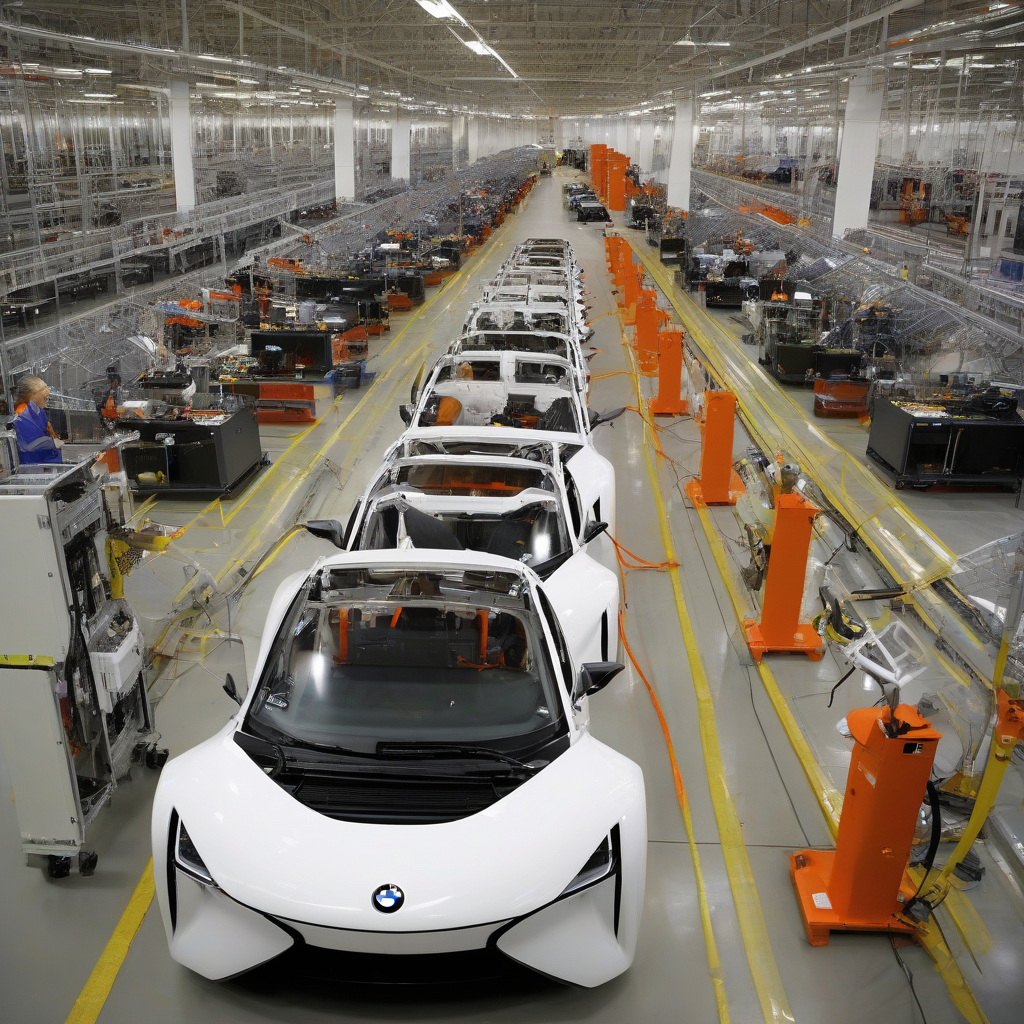

Graduate students at Clemson University have successfully engineered an energy-positive electric vehicle prototype, according to InsideEVs. Developed in collaboration with BMW, the project challenged students to construct a transportation model capable of generating more electricity than it consumes during operation.
While the vehicle features a unique aesthetic often compared to a rigid, structural design, its core function centers on maximizing energy efficiency and net-positive power production. The engineering process required participants to focus on lightweight materials and solar integration to meet the specific criteria set by the automotive manufacturer. This initiative highlights a push toward sustainable vehicle architecture that goes beyond traditional battery-only propulsion systems.
Project Specifications
| Feature | Detail |
|---|---|
| Project Lead | Clemson University Graduate Students |
| Corporate Partner | BMW |
| Core Goal | Create an energy-positive EV |
| Primary Function | Generate more electricity than used |
Why It Matters
The development of energy-positive vehicles represents a necessary evolution in automotive engineering, moving from passive efficiency to active power generation. By integrating solar collection directly into the vehicle's form factor, these projects address the 'range anxiety' and grid-dependency issues currently plaguing consumer EV adoption. If such technology can be scaled for mass production, it could fundamentally alter the charging infrastructure requirements, effectively turning vehicles into mobile micro-power plants. This shifts the focus from simply reducing emissions to actively contributing to distributed energy networks, creating a more resilient and sustainable transportation framework.
Reader Discussion & Insights