
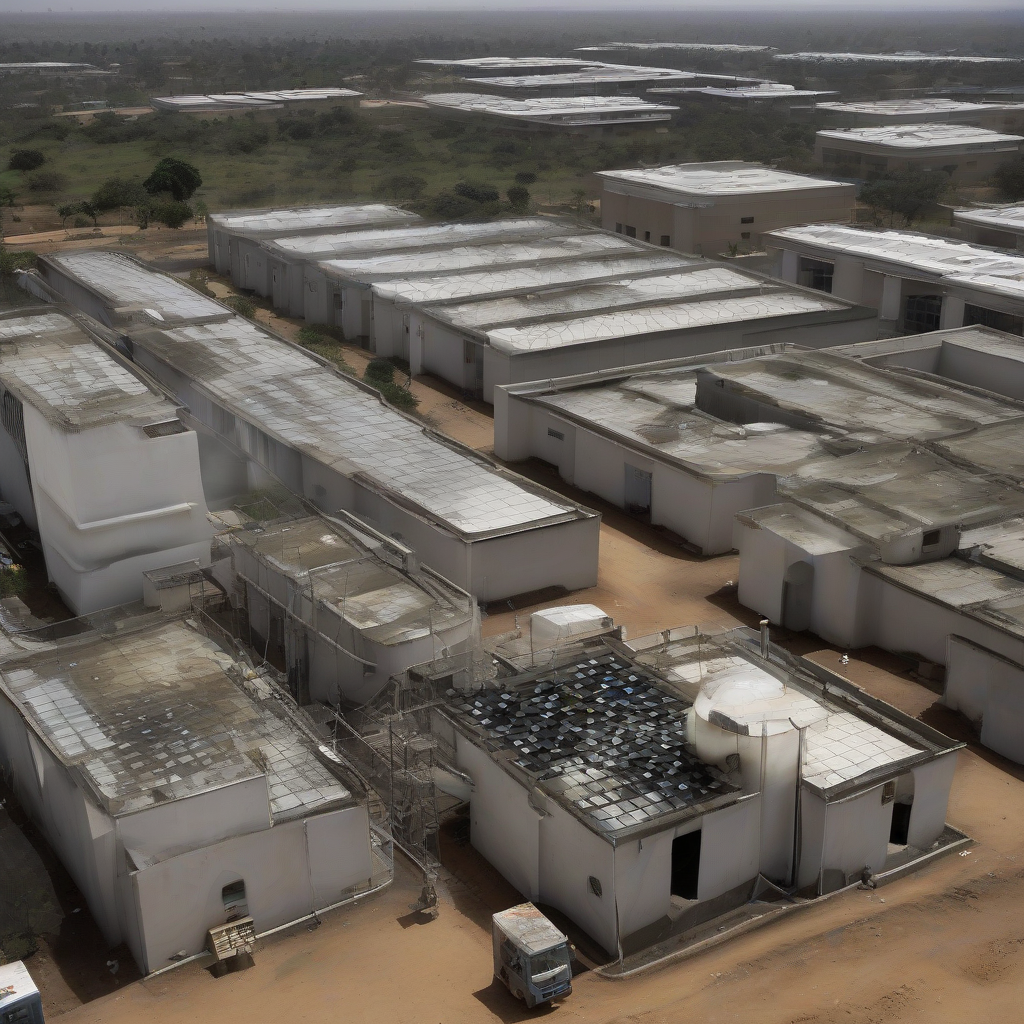

Financial backing for clean cooking solutions across the African continent has climbed to $3.1 billion, according to IEA. This capital allocation represents a significant movement in energy accessibility and health-related development, as the region works to transition away from traditional biomass reliance.
Financial Overview
| Metric | Value |
|---|---|
| Total Clean Cooking Finance | $3.1 billion |
The reported figure underscores a growing recognition of the environmental and health impacts associated with current cooking methods. By directing investment into modern cooking technologies, stakeholders aim to mitigate the reliance on solid fuels like wood, charcoal, and agricultural waste, which remain primary energy sources for millions of households throughout the region.
Official assessments from the IEA highlight that while this financial commitment is substantial, it reflects ongoing efforts to meet Sustainable Development Goals. The deployment of these funds is expected to address long-standing challenges in energy infrastructure, public health, and environmental sustainability.
Why It Matters
This $3.1 billion influx is vital for addressing the intersection of energy poverty and environmental degradation. By reducing reliance on traditional biomass, these investments lower carbon emissions and improve indoor air quality, which is directly linked to respiratory health outcomes for women and children. Furthermore, establishing a commercial clean cooking market creates a bridge for broader electrification efforts. As infrastructure matures, the shift toward sustainable energy solutions helps diversify the regional energy mix, potentially reducing dependence on volatile imported energy markets while fostering localized green economic development.
Reader Discussion & Insights