
LIVEยท

Global News & Market Intelligence ยท Verified Official Dispatches

Editions:
LIVEMARKETS:
S&P 500 5,640.20 (+0.45% โ–ฒ)|NASDAQ 17,855.10 (+0.62% โ–ฒ)|BRENT CRUDE $82.40 (-0.85% โ–ผ)|BITCOIN $64,250.00 (+1.90% โ–ฒ)
Breaking
Electric Vehiclesยท ๐ŸŒ Global

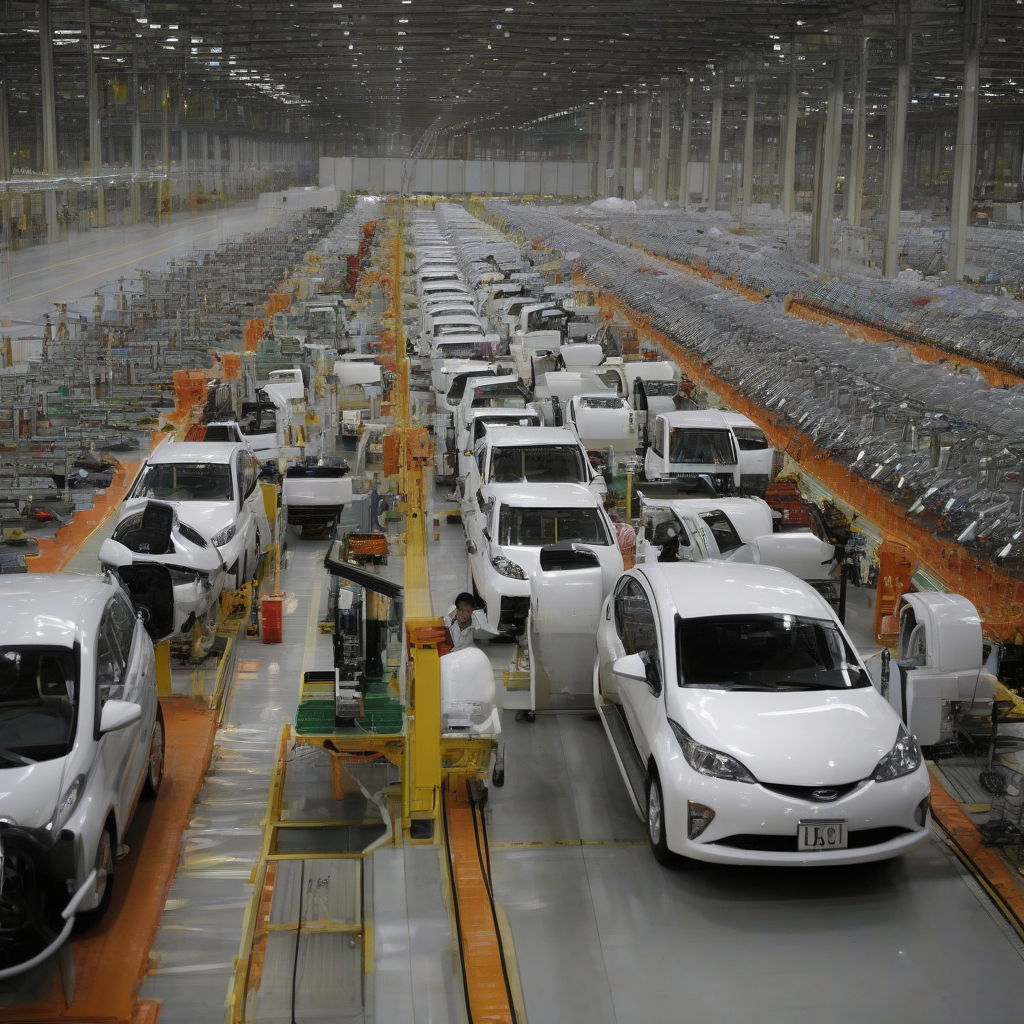
China's Electric Vehicle Exports Impacting Domestic Gasoline Demand

According to Electric Vehicles, the surge in Chinese EV exports is directly affecting the nation's domestic gasoline market as the adoption of plug-in models accelerates.

By Skyline Wire Newsroom ยท Published Source: Electric Vehicles ยท Verified Reporting

Key Story Metrics & Context

Industry Sector:Automotive, Energy
Companies Impacted:Global Holdings
Geographic Scale:China ๐Ÿ‡จ๐Ÿ‡ณ
Reporting Status:โœ“ Multi-Source Verified
China's Electric Vehicle Exports Impacting Domestic Gasoline Demand

Executive Brief & Verified Analysis

โœ“ OFFICIAL SOURCES REVIEWED

Executive Summary

According to Electric Vehicles, the surge in Chinese EV exports is directly affecting the nation's domestic gasoline market as the adoption of plug-in models accelerates.

Why This Matters

Key strategic implication: China's EV export growth is significantly influencing the domestic gasoline market.

Market Impact

Verified for Global Holdings. Primary market adjustment vector.

Source Verification

Cross-referenced across regulatory dispatches, official press releases, and verified wire filings.

Strategic Implications

  • โœ“China's EV export growth is significantly influencing the domestic gasoline market.
  • โœ“The surge in new energy vehicle production is changing historical energy demand trends.
  • โœ“Traditional internal combustion engine reliance is seeing a structural decline.

The rapid expansion of the Chinese electric vehicle industry is beginning to exert measurable pressure on the nation's internal gasoline market, according to Electric Vehicles. As domestic manufacturers ramp up production for both international and local consumption, the shift in automotive propulsion technology is fundamentally altering fuel consumption patterns within the world's second-largest economy.

Historically, the growth of the Chinese automotive sector was synonymous with an increasing appetite for petroleum. However, the aggressive transition toward new energy vehicles has created a structural change in how energy is consumed across the country. Data indicates that the influx of electric models onto Chinese roads is diminishing the reliance on internal combustion engines, leading to a noticeable stagnation in gasoline demand that was previously anticipated to grow indefinitely.

Market Dynamics Comparison

IndicatorTrend StatusMarket Impact
EV Export VolumeIncreasingHigh
Domestic Gasoline DemandDecliningModerate
Internal Combustion SalesDecreasingHigh

This trend is not limited to domestic consumption. As Chinese automakers capture larger shares of international markets through aggressive export strategies, the global demand profile for traditional fuels is also beginning to shift. The scale of this transition suggests that the automotive industry's electrification is moving faster than many traditional energy analysts initially forecasted.

Why It Matters

The ripple effect of China's EV export strategy on gasoline consumption is a precursor to global energy market volatility. For oil-producing nations and global refiners, this represents a significant threat to long-term demand models that relied on emerging markets to offset declines in Western regions. Furthermore, this transition forces a re-evaluation of energy infrastructure investments within China, as excess refining capacity may become a fiscal burden rather than an asset. If current trends hold, China may evolve from a primary driver of global oil demand growth to a leader in demand destruction, fundamentally altering petroleum price ceilings globally.

Expected Next Steps

  • 1Monitor future reports on Chinese refinery utilization rates.
  • 2Observe export volume growth for major Chinese EV manufacturers.
  • 3Analyze potential energy policy adjustments in response to lower fuel demand.

Frequently Asked Questions

The increased adoption of electric vehicles is reducing the need for internal combustion engines, which in turn leads to a decline in domestic gasoline consumption.

While the immediate impact is seen within China, the aggressive export strategy of these vehicles suggests a wider global shift in fuel consumption patterns.

Source Transparency & Verified Dispatches

โœ“ Verified Primary Data
โœ“
Electric Vehicles๐Ÿ’ผ Corporate Dispatch
Source โ†—
โœ“
Reuters๐Ÿ“ฐ Global News Wire
Source โ†—

Reader Discussion & Insights

Leave a Comment

Loading discussion thread...

Get Breaking Global Intel in Your Inbox

Subscribe to the Skyline Wire AI Daily Briefing. Direct insights across Aviation, Tech, EVs, and Markets.

Original announcement link: Electric Vehicles

chinaevgasolineexportsenergy
china electric vehicle exportsgasoline market impactdomestic gasoline demandelectric vehicles newsautomotive energy shift