
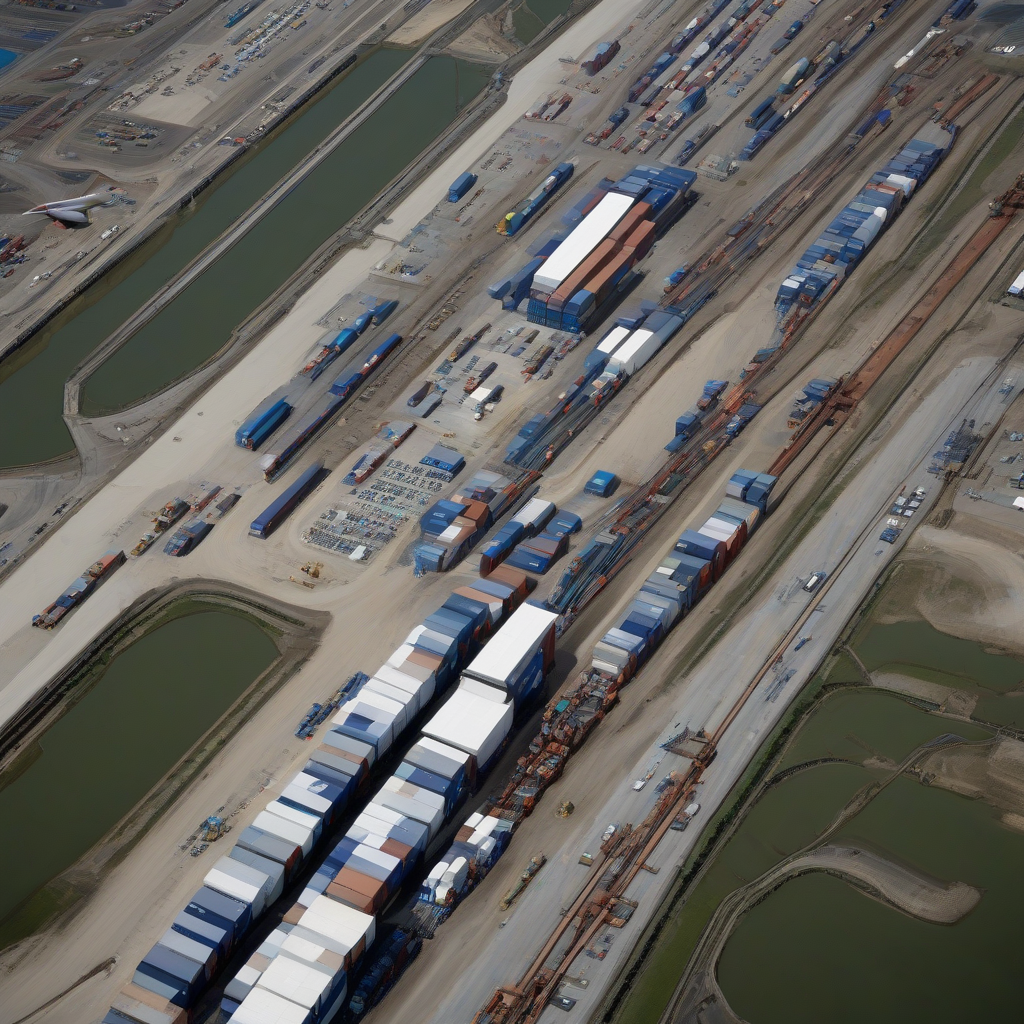

Increased demand for Transpacific shipping capacity is being driven by a strategic rise in the frontloading of Chinese exports, according to Shipping News. As global logistics networks adjust to changing trade patterns, Matson has identified that shippers are accelerating their cargo timelines, prioritizing the movement of goods from China to North American markets earlier than standard seasonal expectations.
This shift in behavior reflects a broader effort by commercial importers to secure inventory in anticipation of potential supply chain bottlenecks or future trade policy adjustments. By moving volume forward, companies are utilizing high-speed ocean services to maintain consistent stock levels while navigating the current volatility in Pacific maritime corridors.
Current Transpacific Market Dynamics
| Metric | Observation |
|---|---|
| Primary Driver | Chinese export frontloading |
| Regional Focus | Transpacific lanes |
| Strategic Intent | Inventory security |
Industry analysts and supply chain observers note that the current environment requires firms to remain agile. The reliance on frontloading suggests that manufacturers and retailers are adopting a cautious stance toward their Q4 inventory planning. Consistent with filings and general maritime sector trends reported by companies like Matson, the acceleration of ocean freight is a defensive move against the unpredictability of port throughput and vessel availability in major entry points.
Why It Matters
This trend signals a transition from 'just-in-time' inventory models to a more aggressive 'just-in-case' approach. By pulling demand forward, companies are putting upward pressure on spot shipping rates and taxing current port capacity. This behavioral shift risks creating artificial peaks during periods that are typically quieter, potentially leading to congestion at West Coast ports. Furthermore, this trend could force mid-market retailers to reconsider their logistical overhead as they struggle to compete for limited slot availability on expedited ocean vessels against larger, capital-rich enterprises.
Reader Discussion & Insights