
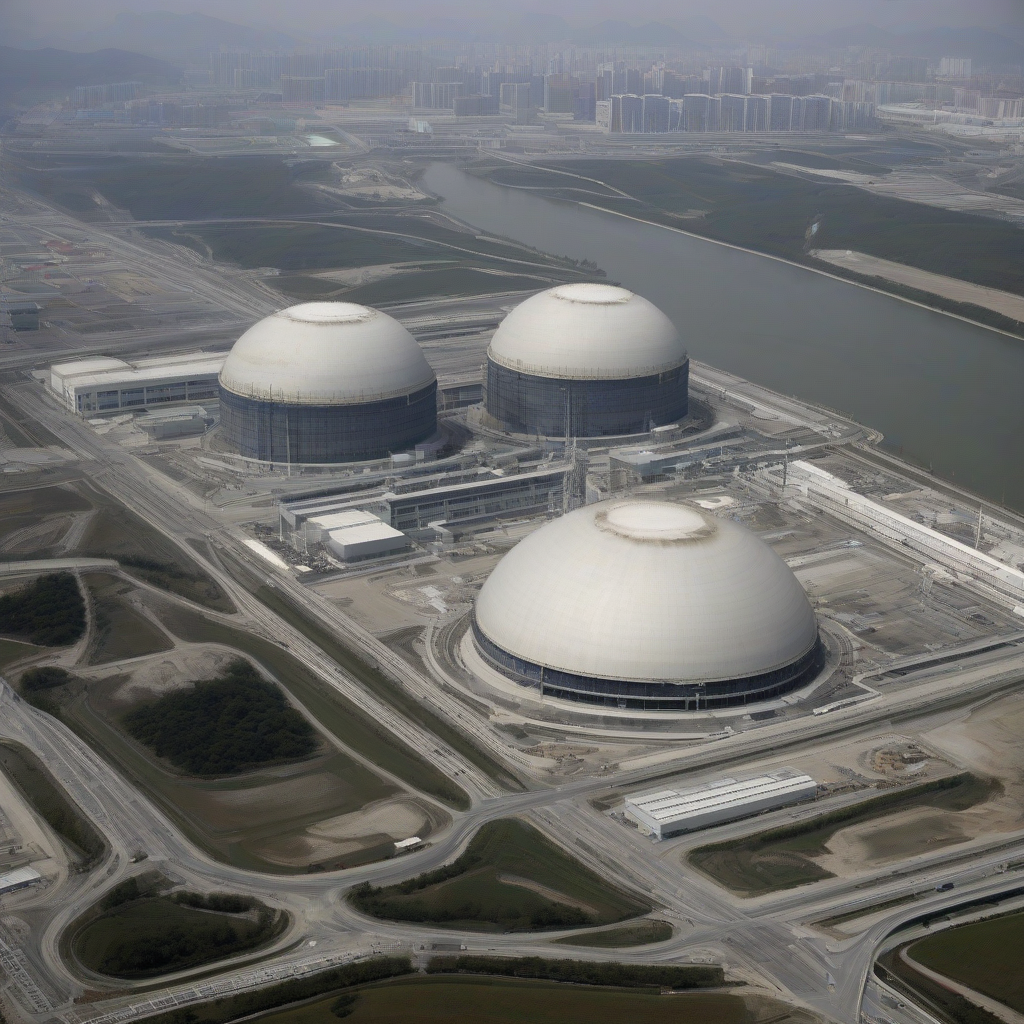

Global nuclear power generation reached an all-time high in 2025, according to the latest Statistical Review of World Energy, as reported by OilPrice.com. Despite widespread discussion regarding a worldwide nuclear renaissance, data indicates that China is responsible for the entirety of the industry's net growth over the past year.
Nuclear facilities generated 2,845 terawatt-hours of electricity worldwide during 2025. This figure represents an increase of 30 terawatt-hours, or 1.3%, compared to 2024. However, the data highlights a stark regional divergence: China alone increased its nuclear output by more than 34 terawatt-hours. Without China’s significant expansion, the global total for nuclear energy production would have experienced a decline rather than the observed growth.
| Metric | 2025 Value |
|---|---|
| Global Nuclear Output | 2,845 terawatt-hours |
| Global Growth (Year-over-Year) | 30 terawatt-hours |
| China Growth (Year-over-Year) | >34 terawatt-hours |
| Global Growth Percentage | 1.3% |
These findings suggest that while total energy output is climbing, the trajectory of nuclear power remains heavily concentrated within the Chinese market rather than representing a uniform global surge. The Statistical Review of World Energy provides a precise look at these generation figures, contradicting broader industry narratives that often imply a more decentralized expansion of nuclear capacity across multiple continents.
Why It Matters
The reliance on a single nation for net nuclear growth exposes a potential vulnerability in global energy transition strategies. As international markets grapple with meeting decarbonization targets, the concentration of nuclear capacity in China suggests that other major economies may be failing to scale their baseload power assets effectively. This disparity could eventually influence global energy pricing, as countries lacking nuclear self-sufficiency remain more exposed to volatility in fossil fuel markets compared to nations rapidly integrating nuclear power into their national grids. Understanding this centralization is vital for policymakers evaluating the long-term viability of nuclear energy as a universal decarbonization tool.
Reader Discussion & Insights