
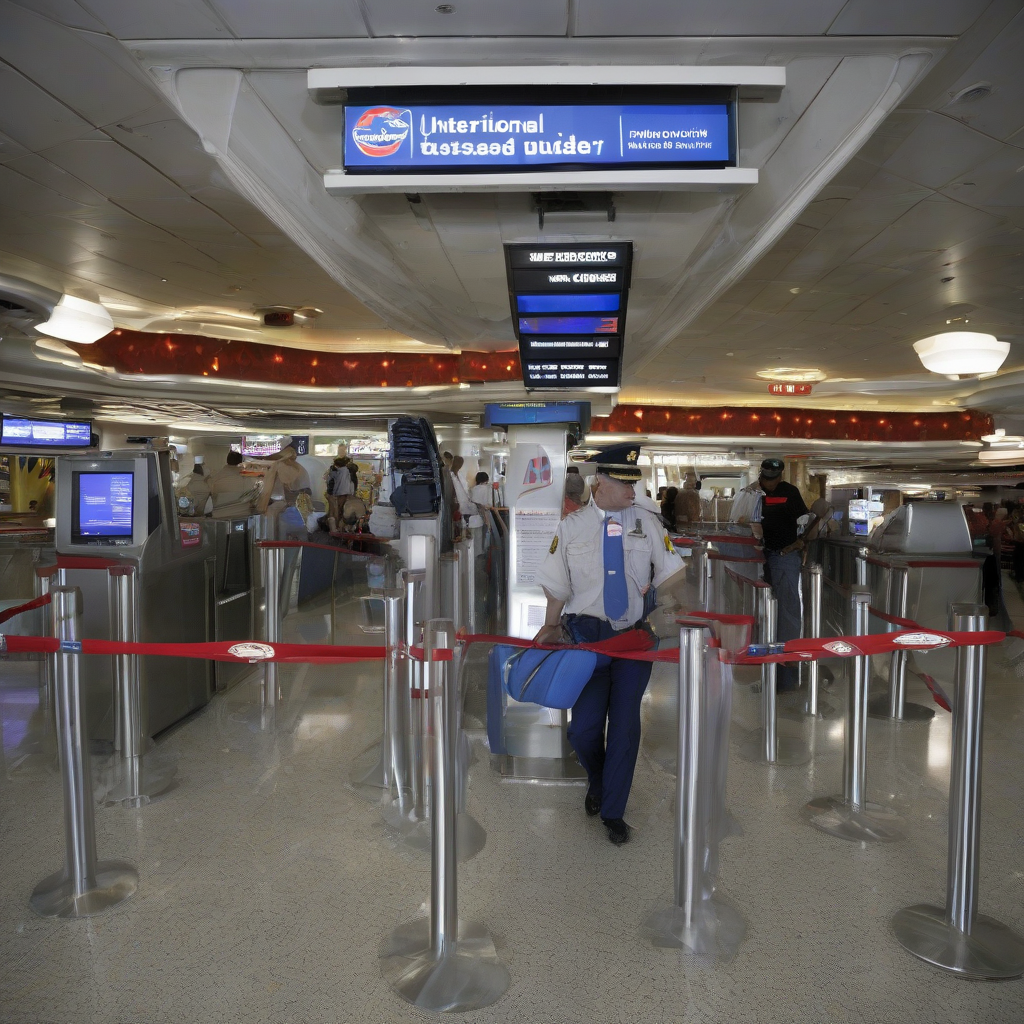

Passengers planning maritime travel must adhere to stringent safety protocols, as outlined by Carnival Cruise in its latest advisory regarding prohibited baggage items. According to Carnival Cruise, strict policies are in place to ensure the safety and security of all guests and crew members on board their vessels.
The cruise line maintains an explicit list of 10 categories of items that guests are strictly forbidden from bringing onto their ships. These prohibitions are designed to mitigate onboard hazards. While the specific list encompasses a variety of common household goods, the primary focus remains on fire prevention, physical safety, and the containment of hazardous materials that could compromise the vessel's integrity.
Prohibited Category Breakdown
| Item Category | Rationale for Restriction |
|---|---|
| Heating Elements | Fire safety and thermal hazards |
| Weaponry | Security and threat mitigation |
| Illegal Substances | Legal compliance and safety |
| Hazardous Chemicals | Containment of toxic materials |
Passengers are advised to consult the official Carnival Cruise website prior to departure to review the exhaustive inventory of restricted goods. Items that violate these security standards are subject to confiscation by port authorities or ship security personnel upon detection during the boarding screening process. There is no provision for the storage or return of prohibited items once they have been seized.
Why It Matters
The maritime travel sector faces increasing pressure to standardize security protocols to prevent accidents and maintain insurance compliance. By enforcing these restrictions, Carnival Cruise is aligning with broader international maritime safety standards. As cruise lines expand capacity, the necessity for efficient, automated baggage screening becomes a top priority to maintain embarkation schedules. Effective communication of these policies is essential for operators to reduce processing delays at terminal checkpoints and maintain the overall security posture of the cruise industry.
Compliance with these guidelines is not merely a suggestion but a requirement for boarding. Travelers failing to clear security with approved baggage may face boarding delays or the permanent forfeiture of restricted items, highlighting the importance of verifying luggage contents well in advance of reaching the port of embarkation.
Reader Discussion & Insights