
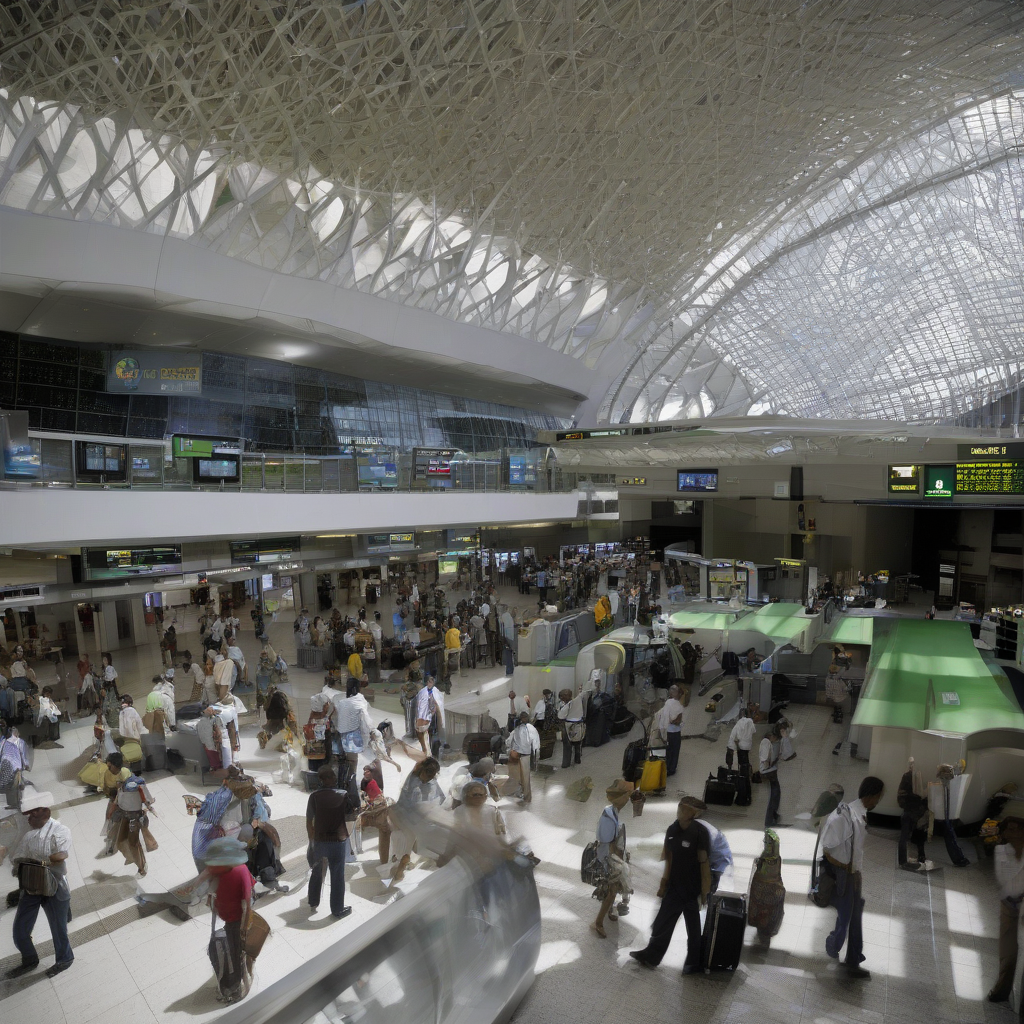
Brazil has experienced a notable uptick in international tourist arrivals during the first half of 2026, with major urban centers acting as the primary beneficiaries of this influx. According to Travel And Tour World, cities such as São Paulo and Rio de Janeiro have become focal points for global visitors seeking to engage with the nation's cultural and natural offerings.
The surge in visitors is attributed to improved international connectivity and a strategic focus on destination marketing. By prioritizing accessibility and highlighting the diversity of the Brazilian geographic and social environment, the nation has successfully sustained momentum in its tourism sector through the first two quarters of the year.
Travel Industry Data Summary
| Region/City | Primary Driver | Trend Status |
|---|---|---|
| São Paulo | Connectivity | Growth |
| Rio de Janeiro | Cultural Appeal | Growth |
| Brazil (National) | Nature & Tourism | Growth |
While specific passenger count totals for the period remain subject to further official reporting, current indicators show a clear trajectory of growth for the Brazilian hospitality and aviation sectors. The alignment of infrastructure upgrades and global interest has facilitated a consistent flow of international traffic into key airport hubs.
Why It Matters
The stabilization of tourism growth in Brazil is a significant indicator of the wider Latin American economic recovery. As global travelers seek diversified long-haul destinations, the ability of Brazilian authorities to maintain high-quality service standards and secure air routes is vital. This trend creates a multiplier effect on local economies, specifically within the service, hospitality, and retail sectors. Investors should monitor how increased demand impacts the expansion plans of regional airlines and infrastructure development projects in the airport sector over the remainder of the fiscal year.
Reader Discussion & Insights