
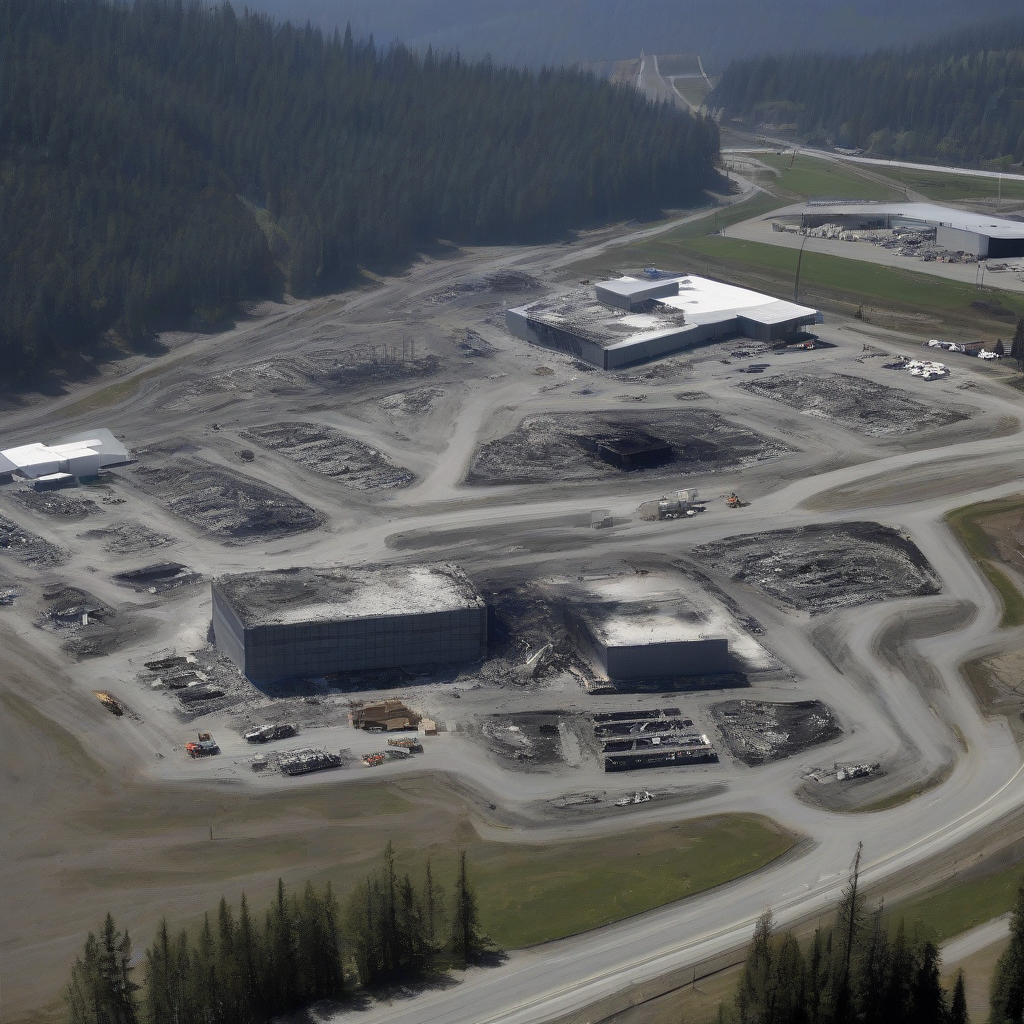

The Bradley Creek wildfire continues to burn out of control west of Vernon, British Columbia, according to The Watchers. As of August 5, 2026, the blaze has consumed an estimated 2,852 hectares (7,047 acres) of land, causing significant property damage and infrastructure disruption across the region.
Local authorities have confirmed that the fire has destroyed more than 200 structures. The ongoing emergency has necessitated official evacuation orders for residents in the path of the flames. In addition to property loss, environmental health concerns have emerged, leading to the issuance of a 'Do Not Consume Water' advisory for those living in the affected areas.
Emergency crews are currently working to mitigate the damage. Firefighting teams are identifying and extinguishing hotspots to prevent further spread, while personnel from BC Hydro are actively addressing the risks posed by downed power lines and damaged electrical infrastructure. The situation remains fluid as authorities monitor fire movement and structural integrity in the impacted zones.
Incident Summary Data
| Metric | Figure |
|---|---|
| Area Burned | 2,852 ha (7,047 acres) |
| Structures Destroyed | Over 200 |
| Date of Report | August 5, 2026 |
| Status | Out of Control |
Why It Matters
The destruction of over 200 structures in a single event highlights the increasing operational burden on provincial energy and utility providers. Beyond the immediate emergency, the need to clear downed lines and stabilize infrastructure suggests that post-fire recovery will be an extended process for BC Hydro. Furthermore, the 'Do Not Consume Water' advisory indicates a secondary layer of public health risk often overlooked in fire assessments, requiring significant coordination between fire management agencies and local municipal water authorities to restore safety for returning residents.
This incident underscores the vulnerability of interior British Columbia to rapid-onset wildfires. The economic strain on local property insurance markets and the regional tax base is expected to be significant as communities evaluate the long-term feasibility of rebuilding in fire-prone corridors.
Reader Discussion & Insights