
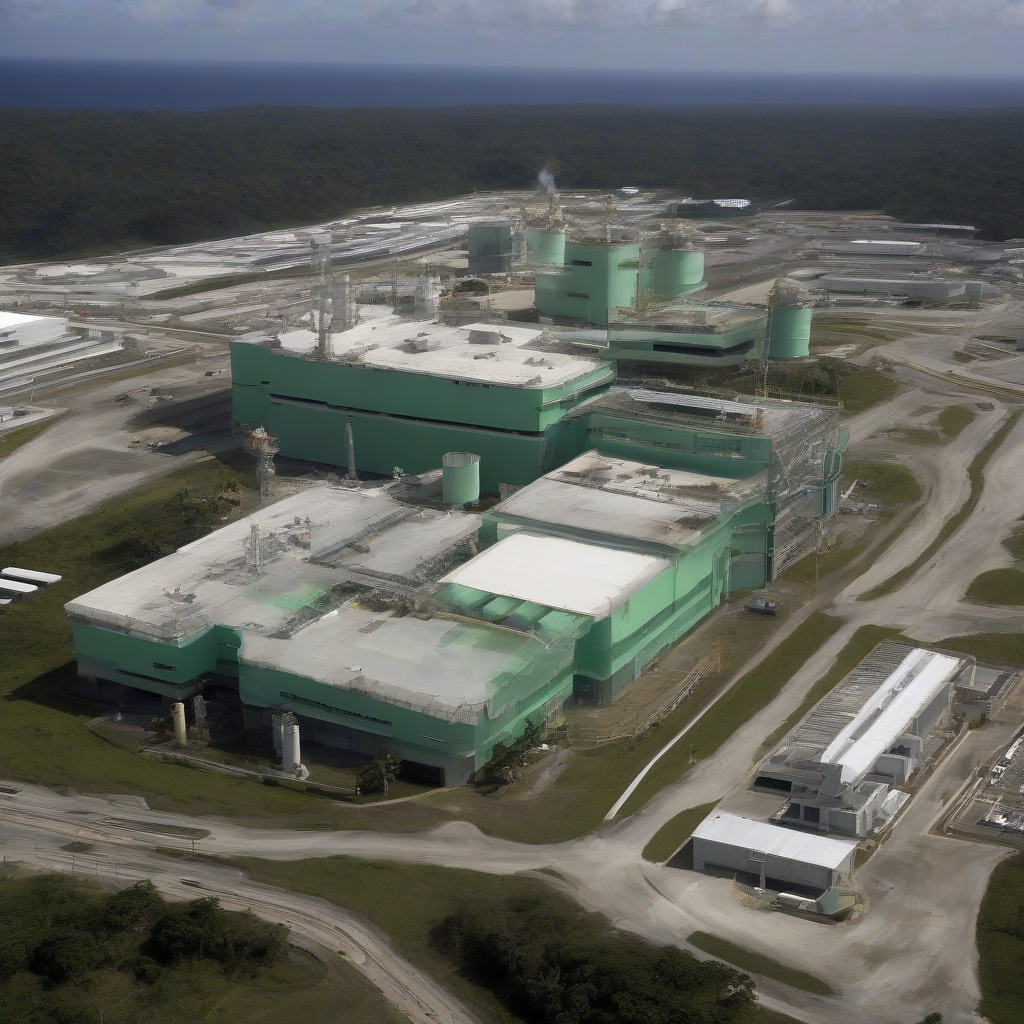

BP has entered into an agreement to acquire Woodside Energy’s 70% interest in the Calypso gas project located offshore Trinidad and Tobago. According to Oil & Gas 360, this transaction grants BP full ownership and operational control over the early-stage deepwater natural gas development. The acquisition elevates BP’s stake in Block TTDAA 14 from 30% to 100%.
This move aligns with BP’s broader strategy to concentrate its upstream portfolio on high-value assets where the company already maintains existing infrastructure and deep operational expertise. BP is currently the primary supplier of natural gas to the domestic market in Trinidad and Tobago and retains a 45% interest in the Atlantic LNG facility. The transaction, which includes a combination of cash consideration and contingent payments, remains subject to customary government and regulatory approvals. The parties expect the deal to conclude by the end of 2026.
For Woodside Energy, this divestment signals a formal exit from the Trinidad and Tobago market. The company has operated in the region for several decades, holding previous interests in both the Ruby and Angostura offshore oil and gas fields. BP’s acquisition coincides with a period of portfolio repositioning led by CEO Meg O’Neill, which has involved marketing the company's UK North Sea business, divesting its U.S. biogas operations, and offloading non-core assets to prioritize capital discipline.
| Feature | Detail |
|---|---|
| Asset | Calypso Gas Project (Block TTDAA 14) |
| Current BP Interest | 30% |
| Acquired Interest | 70% |
| Resultant BP Interest | 100% |
| Expected Completion | End of 2026 |
Why It Matters
This consolidation reflects a shift toward asset-heavy, centralized production models among global energy supermajors. By securing 100% control of the Calypso block, BP eliminates the complexities of partnership management in a region where it already dominates infrastructure. This allows for more aggressive, self-directed capital expenditure. For the broader industry, this deal underscores a trend where international oil companies are thinning their geographic reach, opting to retreat from legacy frontier markets to double down on regions where they possess existing, integrated value chains. This strategy prioritizes operational efficiency and project control over broad, diversified international exploration.
Reader Discussion & Insights