
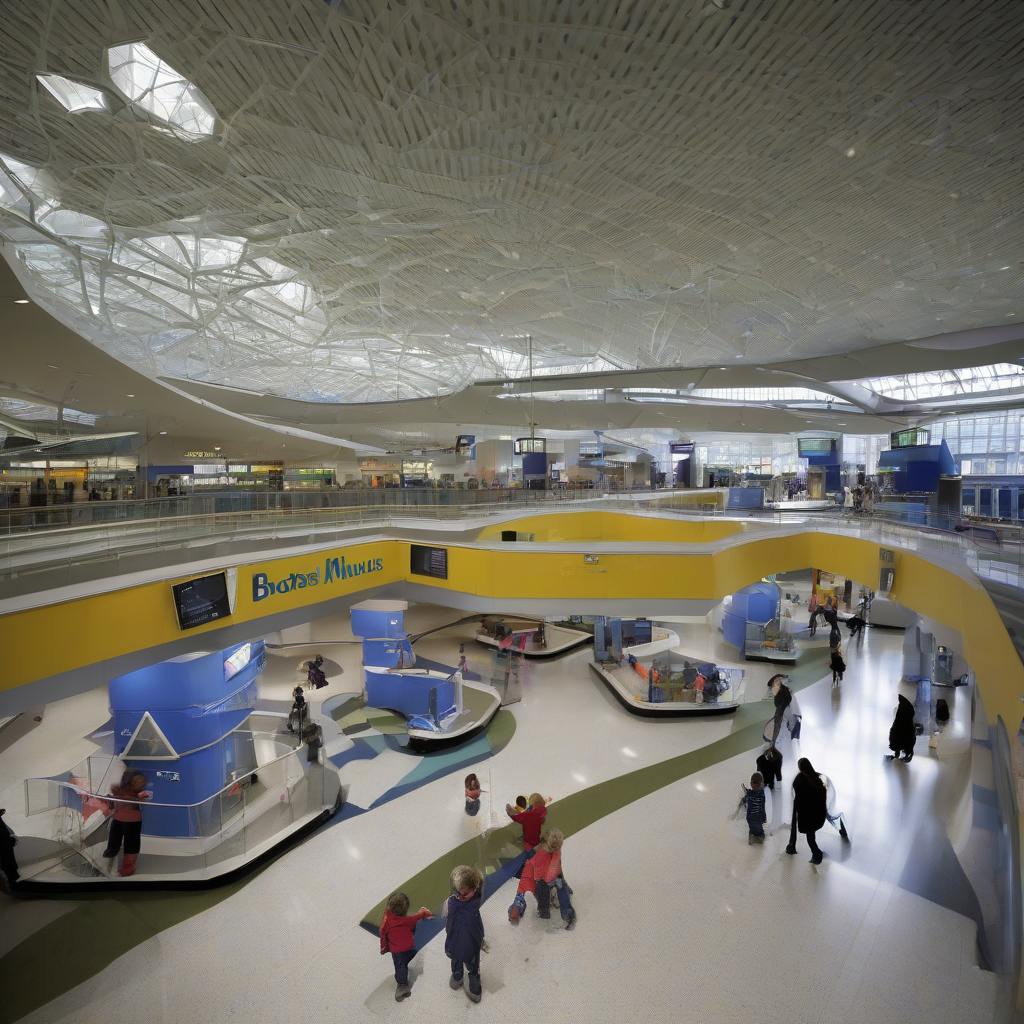
The Boston Children’s Museum has officially commenced the first stage of a comprehensive, multi-year project designed to reinforce its waterfront property against the growing threats of rising sea levels and intense storm events. According to Travel And Tour World (reference TTW-1946187-1785875549), this initiative serves a dual purpose: physically hardening the facility against environmental volatility while functioning as a public-facing educational platform regarding climate adaptation.
Project Specifications
The upgrade strategy is structured as a multi-phase endeavor that integrates structural engineering with public awareness. By addressing the site's vulnerability, the museum aims to secure its infrastructure for future operations despite projected maritime hazards.
| Project Phase | Focus Area | Objective |
|---|---|---|
| Phase 1 | Waterfront Infrastructure | Coastal resilience and hardening |
| Ongoing | Multi-Year Timeline | Storm surge and sea-level mitigation |
By leveraging the high-visibility location of the museum along the Boston waterfront, the administration intends to highlight the necessity of climate resilience infrastructure. This approach demonstrates that cultural institutions can act as tangible laboratories for environmental management, translating high-level resilience concepts into local, actionable site improvements.
Why It Matters
Cultural and tourism infrastructure located in urban coastal zones face significant capital risk from climate change. The Boston Children’s Museum project illustrates an emerging trend where non-profit venues must prioritize civil engineering to protect long-term assets. By embedding educational content directly into the physical infrastructure upgrades, the organization is creating a model for how museums can maintain relevance in climate-stressed environments. This shift signifies a departure from passive display to active environmental stewardship, which may influence future insurance premiums and municipal sustainability requirements for waterfront properties.
Reader Discussion & Insights