
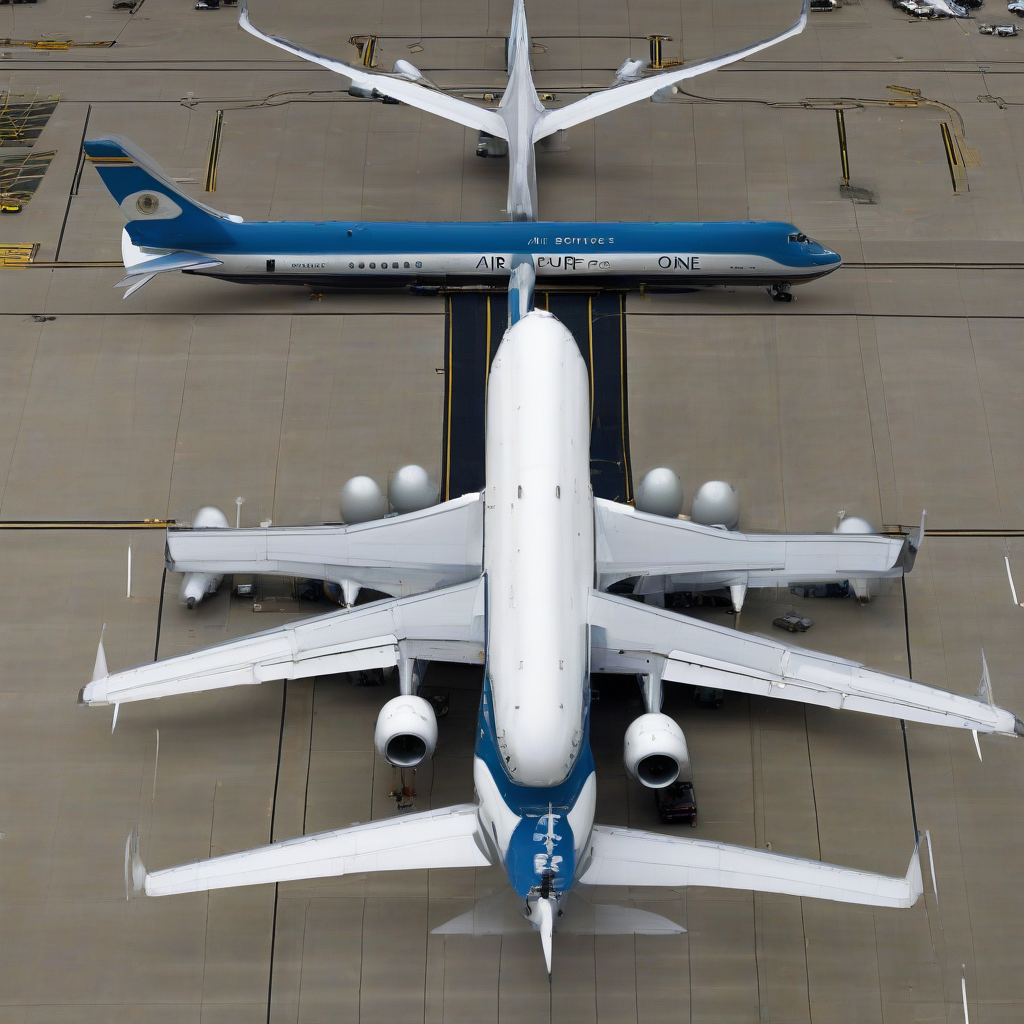

The transition to the next-generation Air Force One, designated as the VC-25B, continues to face significant schedule disruptions, according to AeroTime. A Pentagon report released on August 3, 2026, highlights that unresolved technical and certification hurdles regarding the aircraft’s interior design are impeding critical wiring and structural modification progress.
These modifications, intended to transform two Boeing 747-8 aircraft into presidential transport, include complex upgrades such as military-grade avionics, secure communications, defensive systems, and an executive cabin. The program's design maturity has struggled to keep pace, forcing the manufacturer to repeatedly rework sections of the planes that had previously undergone structural modifications. These inefficiencies have been exacerbated by past supply chain disruptions, specifically the 2021 termination of the original interior supplier, GDC Technics.
Boeing reported a $280 million loss related to the program in the second quarter of 2026, as it bolstered resources to address ongoing certification and production demands. To mitigate further risk, the company has pivoted from FAA certification to a military-specific certification process. Technical obstacles also include the remediation of structural stringer cracks and a shortage of cockpit windshields. As of April, the first aircraft required 95 individual repairs or installations, while the second aircraft required 142.
Key Program Data
| Category | Status/Detail |
|---|---|
| Program Designation | VC-25B (modified 747-8) |
| Q2 2026 Financial Loss | $280 million |
| First Aircraft Delivery | 2028 |
| Second Aircraft Delivery | 2029 |
| Repairs on Aircraft #1 (April) | 95 |
| Repairs on Aircraft #2 (April) | 142 |
Why It Matters
The ongoing struggles with the VC-25B highlight the extreme difficulty of integrating bespoke military defensive and communications capabilities into aging civilian airframe platforms. Unlike commercial aircraft production, where standardized certification paths are well-worn, presidential aircraft require unique, highly classified subsystems that often conflict with existing structural designs. The decision to shift away from FAA standards to military certification suggests that the project was fundamentally misaligned with civilian regulatory frameworks, a trend that may force the defense industrial base to re-evaluate how it approaches high-complexity modification programs on commercial hardware.
Beyond the fiscal cost, these delays highlight a narrowing pool of specialized 747-8 parts. With the commercial production of the 747-8 concluded, the military is now competing for limited remaining components, such as cockpit windshields, which creates a long-term sustainment risk for the program once the aircraft are finally fielded.
Reader Discussion & Insights