
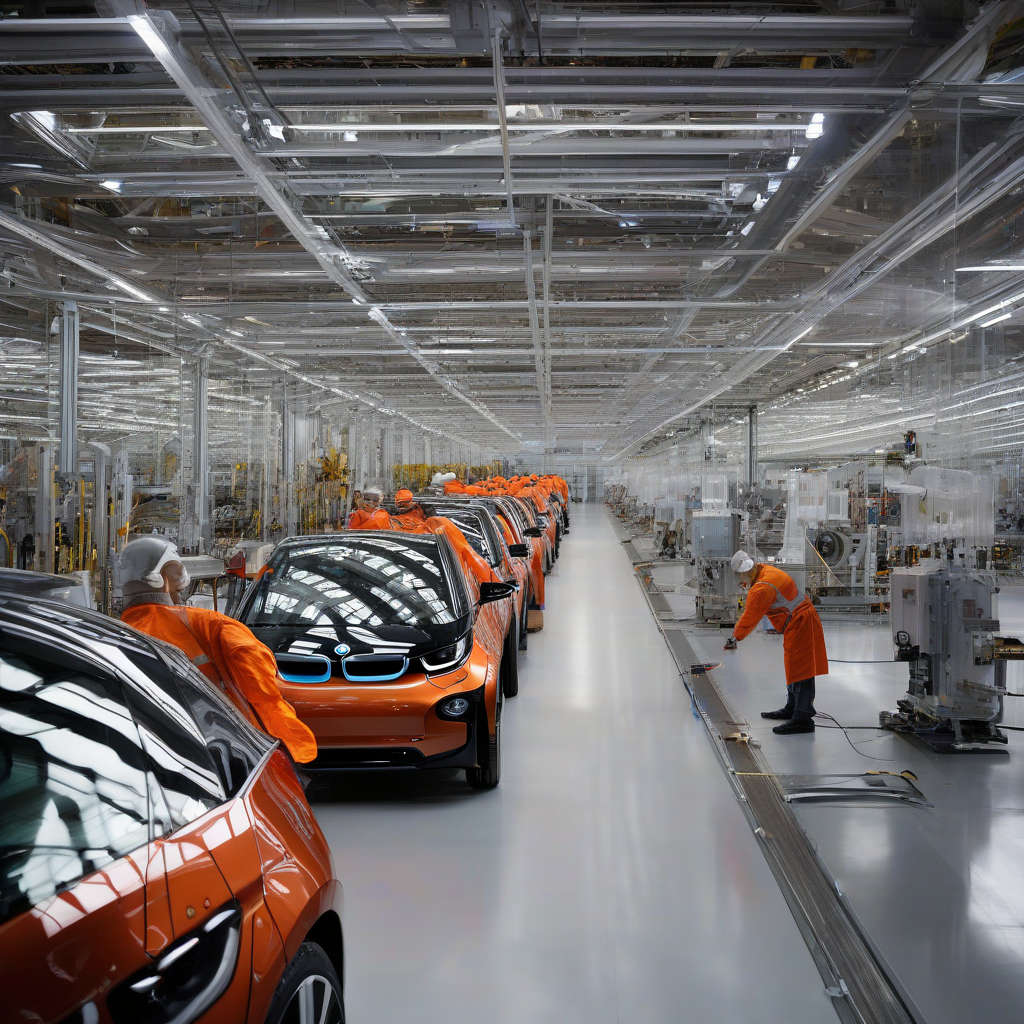

BMW Group has officially commenced series production of the BMW i3 at its Munich manufacturing facility, a development driven by strong consumer interest following an early order window. According to BMW Group, the production launch is characterized by a rapid ramp-up curve as the company moves to meet the high volume of incoming requests for the electric sedan.
Production Overview
The Munich facility is integrating the i3 into its existing production lines, signaling a shift in the plant’s operational output toward electrified powertrains. The manufacturer noted that the accelerated production schedule is designed to satisfy the immediate demand observed since the order books opened. By utilizing the established infrastructure at the Munich plant, the company aims to maintain consistent delivery timelines for customers.
| Feature | Status/Detail |
|---|---|
| Vehicle Model | BMW i3 |
| Production Site | Plant Munich |
| Status | Series production active |
| Demand Trend | Strong (following early orders) |
| Ramp-up Strategy | Steep curve |
Industrial Context
This production start-up reflects a broader strategy by BMW Group to align its European manufacturing capabilities with the increasing transition to electric mobility. The Munich plant continues to serve as a hub for both internal combustion and battery-electric models, demonstrating the flexibility of the company's production systems. Official corporate filings indicate that the organization is prioritizing the localization of electric vehicle assembly to reduce logistical overhead and improve response times to regional market trends.
Why It Matters
The transition of legacy high-capacity facilities like Plant Munich to accommodate electric vehicle assembly is a bellwether for the automotive sector. By achieving a "steep ramp-up curve," BMW is attempting to mitigate the long lead times that have historically hampered EV market penetration. This approach suggests that the primary competitive challenge for automakers is no longer just technology development, but rather the execution of production efficiency at scale. If successful, this strategy provides a blueprint for how European manufacturers can maintain labor stability while aggressively pursuing decarbonization targets mandated by regional regulatory bodies.
Reader Discussion & Insights