
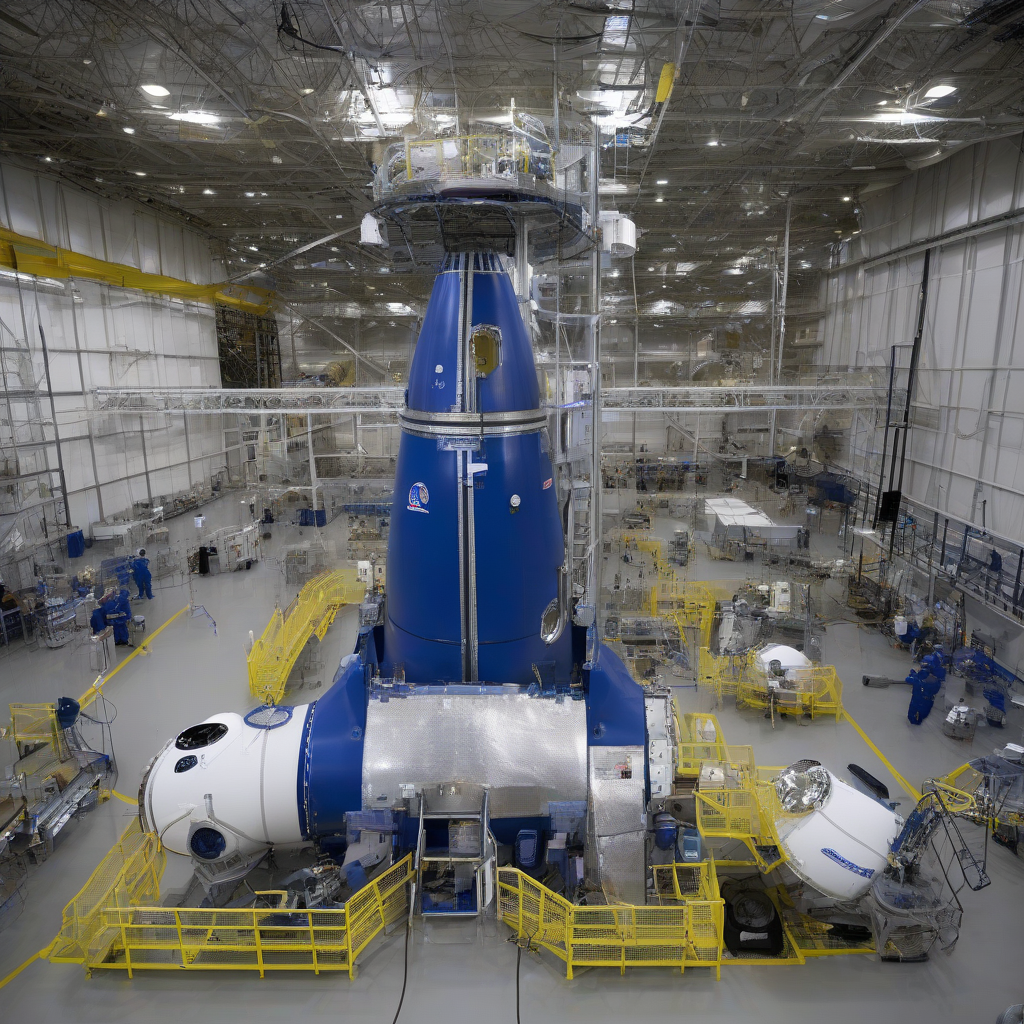

Blue Origin has identified the primary cause of a significant rocket explosion that occurred earlier this year during testing, according to Space.com. The incident, which took place on May 28 at the Cape Canaveral Space Force Station in Florida, resulted in the destruction of the New Glenn vehicle and surrounding ground support equipment.
In an update provided via social media on August 5, Blue Origin CEO Dave Limp stated that the failure originated within the main oxygen valve of one of the rocket's BE-4 engines. This finding was validated through post-accident hardware inspections and subsequent component-level testing. The company is currently executing hotfire tests to replicate the failure mode and finalize mitigation strategies.
Technical and Operational Specifications
| Feature | Specification |
|---|---|
| Rocket Height | 320 feet (98 meters) |
| Propulsion | 7 BE-4 engines |
| Reusability Design | At least 25 launches |
| Payload Status | BlueBird 7 lost on April 19 mission |
The New Glenn rocket is central to Blue Origin's long-term objectives, including its role in NASA's Artemis program. The heavy-lift vehicle is intended to transport the Blue Moon lander to the lunar surface. Despite the May 28 anomaly and a separate mission failure on April 19—where an AST SpaceMobile BlueBird 7 satellite failed to reach its intended orbit—Limp noted that the company is preparing updated valve hardware for rapid retrofitting. This hardware is expected to be ready by the end of August.
Why It Matters
The repeated technical setbacks for New Glenn underscore the extreme difficulty of scaling commercial heavy-lift capabilities. While SpaceX's Falcon 9 has set a high bar for reliability through high-cadence flight, Blue Origin’s struggles highlight the inherent risks when transitioning from component-level perfection to system-wide integration. For the Artemis program, the reliance on two primary providers—SpaceX and Blue Origin—is meant to ensure redundancy. However, if New Glenn experiences prolonged delays, the burden of lunar cargo delivery may shift disproportionately toward the Starship platform, potentially narrowing the operational flexibility that NASA initially sought to secure through competitive commercial contracts.
Reader Discussion & Insights